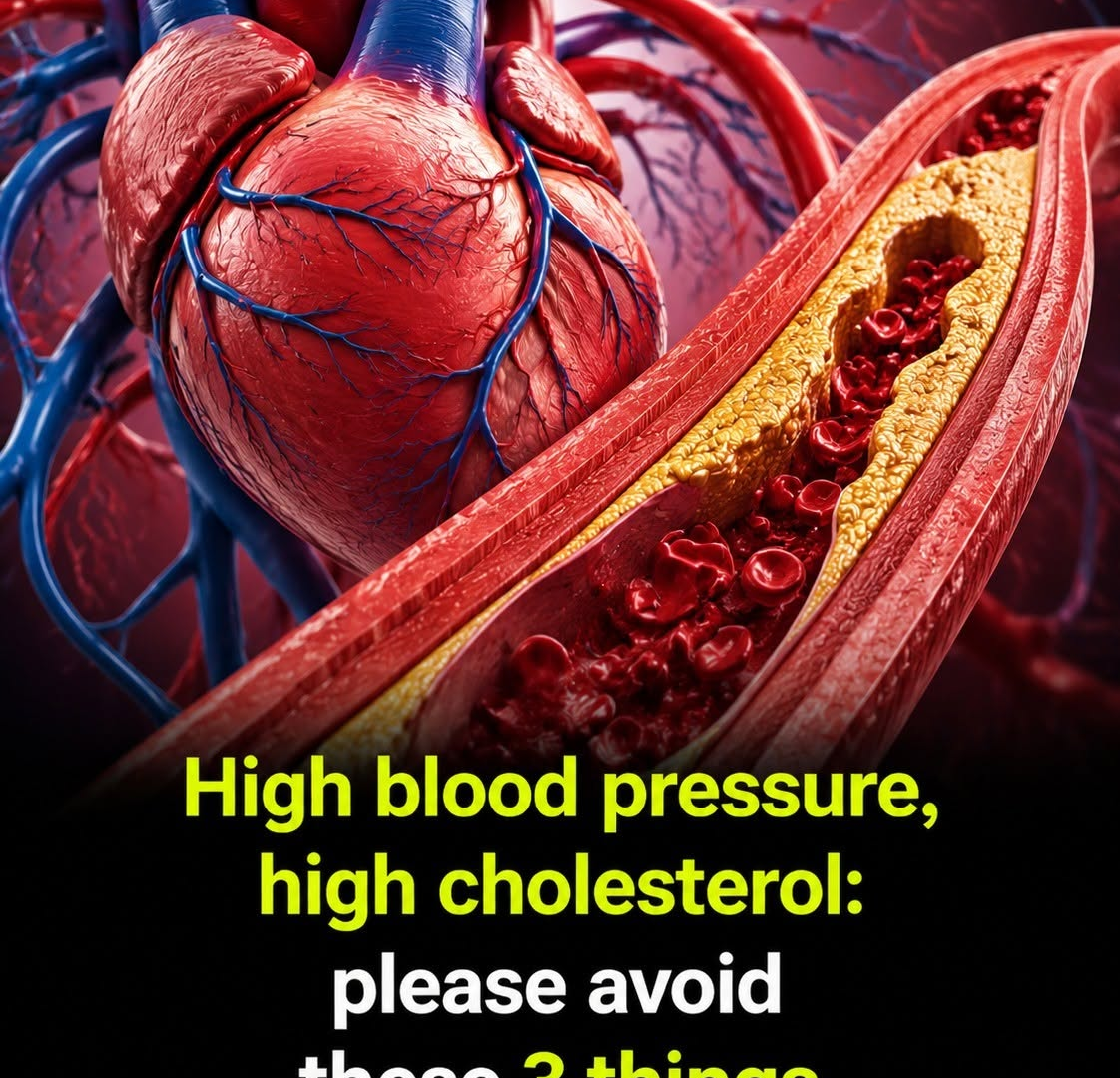
High Blood Pressure, High Cholesterol: 3 Morning Habits to Avoid
The situation is more complicated than simply saying:
“Never drink coffee if you have high blood pressure.”
Caffeine can temporarily increase blood pressure in some people.
People who are sensitive to caffeine may notice a stronger effect.
However, that doesn’t mean every person with high blood pressure must completely avoid coffee.
The amount consumed, individual sensitivity, timing, and whether the coffee contains large quantities of sugar or cream all matter.
If you’re concerned about your blood pressure, you can discuss your caffeine intake with your healthcare professional and monitor how your own blood pressure responds.
What About an Empty Stomach?
Some viral health posts claim that people with high blood pressure or high cholesterol should never drink coffee, tea, or other beverages on an empty stomach.
There is no universal rule like this.
For some people, coffee without food can cause stomach discomfort, heartburn, shakiness, or a rapid heartbeat.
If you experience these symptoms, changing your routine may help.
But an empty stomach itself isn’t automatically dangerous for someone with high blood pressure or high cholesterol.
The bigger issue is the overall dietary and lifestyle pattern.
What Should a Heart-Healthy Breakfast Look Like?
A useful breakfast doesn’t need to be complicated.
Try to combine several food groups.
For example:
Oatmeal With Fruit
Plain oats provide fiber, while berries, apples, pears, or another fruit provide additional nutrients and flavor.
You can add a small amount of unsalted nuts or seeds for healthy fats and protein.
Eggs With Vegetables
Eggs can provide protein.
Adding vegetables such as tomatoes, spinach, peppers, mushrooms, or onions can increase the nutritional value of the meal.
Use salt moderately.
Plain Yogurt With Fruit
Plain yogurt combined with fruit and a small portion of nuts or seeds can provide protein, fiber, and other nutrients without the large amount of added sugar found in many sweetened yogurt products.
Whole-Grain Toast With a Protein Source
Whole-grain toast can be combined with foods such as eggs, unsalted nut butter, or another nutritious protein source.
The goal isn’t to create a perfect breakfast.
It’s to establish a pattern that is lower in excessive sodium and added sugar while providing useful nutrients.
Fiber Is Particularly Helpful for Cholesterol Management
One of the most useful dietary changes for many people with elevated cholesterol is increasing the amount of soluble fiber in the diet.
Soluble fiber can help reduce the absorption of cholesterol in the digestive system.
Foods containing soluble fiber include:
Oats
Barley
Beans
Lentils
Apples
Pears
Certain vegetables
Psyllium
This is one reason oatmeal is frequently recommended as part of a heart-conscious eating pattern.
But eating oatmeal once in the morning doesn’t magically lower cholesterol.
The benefit comes from consistent dietary patterns over time.
Don’t Turn Breakfast Into a “Cholesterol Detox”
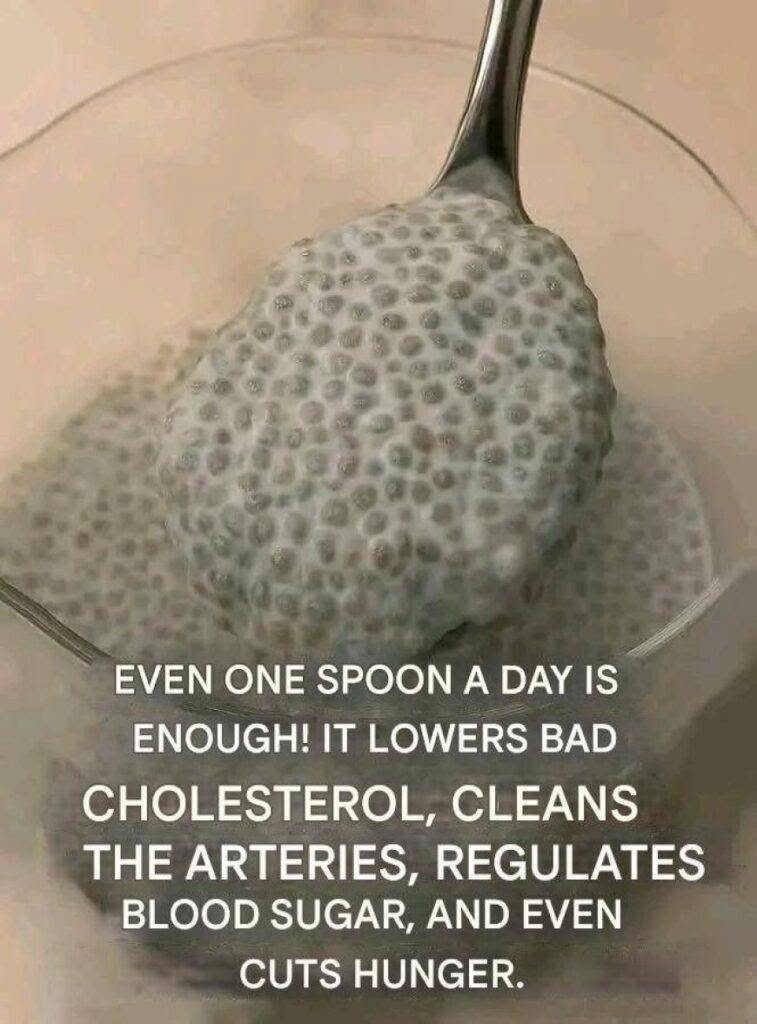
There are countless online claims about special drinks that supposedly “clean arteries” or remove cholesterol from the blood.
Examples include mixtures containing:
Lemon
Garlic
Ginger
Apple cider vinegar
Cayenne pepper
Baking soda
Various herbal products
Some of these foods can certainly be part of a healthy diet.
But none should be presented as a replacement for evidence-based cholesterol treatment.
If your LDL cholesterol is significantly elevated, lifestyle changes may be recommended, but some people also require medication.
A homemade drink should never be used as a reason to stop prescribed treatment.
Exercise in the Morning Can Be Helpful
The opposite of an unhealthy morning habit is not necessarily a complicated workout.