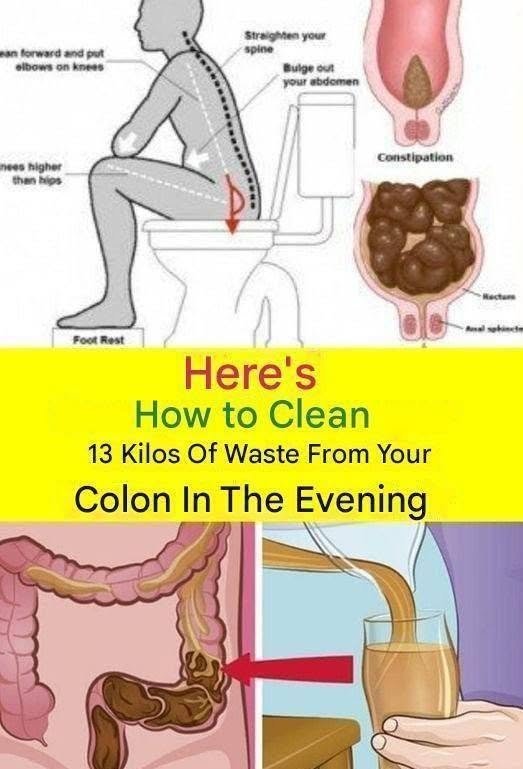
How to Relieve Constipation and Bloating Naturally: What Really Helps Your Digestive System
Constipation happens when bowel movements become less frequent than usual, stools become hard or dry, or passing stool becomes difficult.
Several factors can contribute to the problem.
Not Eating Enough Fiber
Fiber helps support normal bowel function. Certain types of fiber absorb water and help soften stool, while others contribute bulk that supports movement through the intestines.
Foods rich in fiber include:
Oats and whole grains.
Apples, pears, and berries.
Beans, lentils, and chickpeas.
Carrots, broccoli, and other vegetables.
Chia seeds and ground flaxseed.
Increasing fiber gradually can help prevent additional gas and bloating.
Not Drinking Enough Fluids
Inadequate fluid intake can contribute to hard stools, particularly when dietary fiber intake is high.
Drinking enough fluids helps fiber function effectively.
Lack of Physical Activity
Regular movement can support normal intestinal activity.
Long periods of sitting may contribute to constipation in some people, although the effect varies.
Walking, gentle stretching, and other activities suited to your abilities can be helpful.
Ignoring the Urge to Go
Repeatedly delaying a bowel movement can make it harder to maintain a comfortable routine.
When you feel the urge to use the toilet, try to respond rather than postponing it unnecessarily.
Medications and Medical Conditions
Some medicines can cause constipation, including opioid painkillers, certain antacids, iron supplements, and some medications used to treat depression or other conditions.
Medical problems such as an underactive thyroid, diabetes, and certain intestinal disorders can also contribute.
If constipation begins after starting a medication, speak with your healthcare professional before changing or stopping it.
3. Try Warm Water for Gentle Hydration
A glass of warm water in the morning or evening can be a simple way to increase fluid intake.
Warm water may feel soothing, and drinking a beverage can sometimes help establish a regular bathroom routine.
However, there is no strong evidence that warm water is consistently more effective than room-temperature water for relieving constipation.
You can choose whichever temperature you prefer.
How to try it:
Pour a glass of drinking water.
Warm it to a comfortable temperature if desired.
Drink it slowly.
Maintain adequate hydration throughout the rest of the day.
Avoid water that is hot enough to burn your mouth.
Warm water alone may not resolve persistent constipation, particularly when the underlying cause is inadequate fiber, a medication, or a medical condition.
4. Consider Prunes for Natural Bowel Support
Prunes, which are dried plums, are a well-studied food option for helping relieve constipation.
They contain dietary fiber and sorbitol, a naturally occurring sugar alcohol that can draw water into the intestines.
Together, these components may help soften stools and encourage bowel movements.
Some people also find prunes easier to incorporate into their daily routine than fiber supplements.
How to try them:
Start with a small serving, such as three or four prunes.
Drink water alongside them.
Increase the amount gradually if needed and tolerated.
Prunes may cause gas or bloating in some people, particularly when eaten in large quantities.
Their natural sugars may also be a consideration for people who need to monitor their carbohydrate intake.
Prune juice contains sorbitol but usually provides less fiber than whole prunes.