How to Relieve Constipation and Bloating Naturally: What Really Helps Your Digestive System
Increasing fiber intake gradually is one of the most useful dietary strategies for preventing and relieving many cases of constipation.
Adults generally need approximately 22–34 grams of fiber daily, depending on age and sex.
Many people consume less than this amount.
You can increase your intake by making simple changes to your meals.
At breakfast: Choose oatmeal, whole-grain bread, or fruit.
At lunch: Add lentils, chickpeas, beans, or vegetables.
As a snack: Eat a pear, an apple with its skin, or a small serving of nuts.
At dinner: Include vegetables and whole grains when appropriate.
Increase fiber gradually over several days rather than suddenly doubling your intake. A rapid increase may worsen gas and bloating.
Also, drink adequate fluids unless your healthcare professional has instructed you to restrict them.
If you have severe abdominal pain, vomiting, or an inability to pass gas, do not try to treat the problem by adding large amounts of fiber. Seek urgent medical assessment.
6. Could Chia Seeds Help?
Chia seeds contain soluble and insoluble fiber.
When mixed with liquid, they absorb water and develop a gel-like coating. Their fiber can contribute to softer, bulkier stools as part of an appropriate diet.
However, chia seeds are not a colon-cleansing treatment, and they do not remove kilograms of waste overnight.
A practical approach:
Start with approximately one teaspoon of chia seeds.
Mix them thoroughly into water, oatmeal, or yogurt.
Allow them to absorb liquid before consuming them.
Increase the amount gradually if you tolerate them well.
Avoid swallowing large quantities of dry chia seeds, particularly if you have difficulty swallowing, because they expand when exposed to liquid.
If you have persistent constipation, simply adding seeds may not address the underlying cause.
7. Does Lemon Water Cleanse the Colon?
Lemon water is a popular home remedy for digestive health.
It can contribute to hydration, and lemon provides flavor that may encourage some people to drink more water.
However, there is no convincing evidence that lemon water dissolves accumulated waste, removes toxins from the colon, or produces a special overnight cleansing effect.
The liver, kidneys, intestines, and other organs already perform the body’s normal waste-processing and elimination functions.
You can drink lemon water if you enjoy it, but it is not necessary for healthy digestion.
People who experience acid reflux or dental sensitivity may prefer plain water because acidic drinks can aggravate their symptoms or affect tooth enamel with frequent exposure.
8. Establish a Regular Bathroom Routine
Your daily habits can influence bowel regularity.
One useful strategy is to allow yourself time to use the toilet after breakfast or another meal.
Eating stimulates the gastrocolic reflex, a natural response that increases movement in the colon.
For some people, taking advantage of this response makes bowel movements easier.
Try these habits:
Sit on the toilet at a consistent time each day.
Avoid rushing.
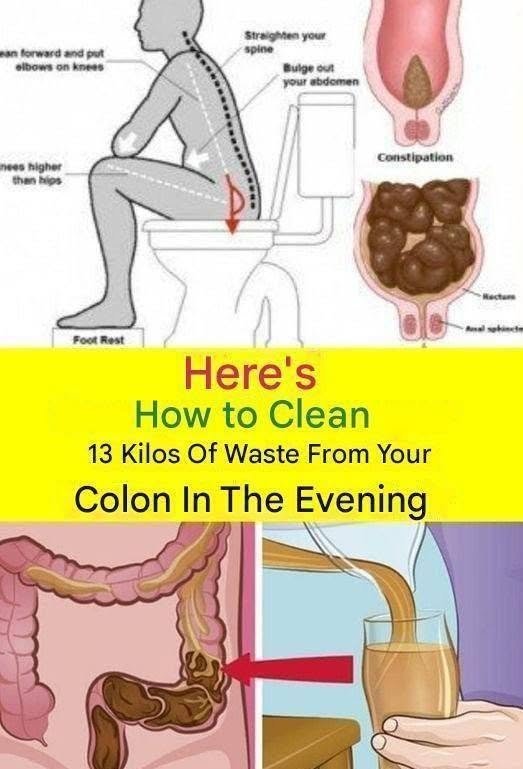
Place your feet on a small footstool if this makes the position more comfortable.
Lean forward slightly and relax your abdominal muscles.
Avoid prolonged straining.
Do not spend long periods sitting on the toilet trying to force a bowel movement.
If you repeatedly feel that stool is blocked or cannot be emptied despite these measures, seek medical advice.
9. Walk After Meals
Gentle physical activity can support general health and may help bowel regularity.
A short walk after a meal is an easy option for many people.
You do not need an intense workout to benefit from moving more throughout the day.
Depending on your fitness and medical circumstances, you might try:
A 10–15-minute walk.
Gentle stretching.
Standing and moving periodically during long periods of sitting.
Regular physical activity suited to your abilities.
Exercise is not an instant cure for constipation, but it can be part of a helpful long-term routine.
10. What About Magnesium Drinks and Laxatives?
Some products marketed for constipation contain magnesium or other ingredients that increase water in the intestines.
Certain magnesium preparations are used as laxatives, but they are not appropriate for everyone.
Excessive magnesium intake can cause diarrhea, dehydration, and electrolyte disturbances. The risk of serious complications is greater in people with impaired kidney function.
Other laxatives also have different uses, doses, and precautions.
If dietary measures are insufficient, a pharmacist or healthcare professional can help determine whether a suitable laxative is appropriate.
Avoid combining multiple laxatives or using aggressive colon-cleansing products without medical guidance.
Do not confuse relief from constipation with detoxification. A laxative-induced bowel movement does not mean that toxins have been removed from the body.
11. Why the Claim About Removing 15 Kilograms of Waste Is Misleading
The claim that a drink can remove 15 kilograms of accumulated waste from the colon overnight is not supported by reliable medical evidence.
The colon normally contains stool and other material, but it does not ordinarily accumulate enormous quantities of waste that must be periodically flushed out.
The amount of stool present varies with diet, hydration, intestinal transit, and bowel habits.
A person who experiences constipation may have stool retained in the colon, but this does not justify assuming that kilograms of waste have accumulated.
Aggressive cleansing methods can cause dehydration, electrolyte imbalances, abdominal discomfort, and other complications.
If you suspect significant stool retention or fecal impaction, seek medical assessment rather than attempting an extreme home cleanse.
12. When Should You See a Healthcare Professional?
Occasional constipation is common, but persistent or severe symptoms deserve attention.
Arrange a medical evaluation if you experience:
Constipation that continues despite appropriate self-care.
A sudden, unexplained change in bowel habits.
Recurrent abdominal discomfort or bloating.
Unexplained weight loss.
Blood in your stool.
Persistent fatigue or other symptoms that may suggest anemia.
Seek urgent medical care if constipation occurs with severe or worsening abdominal pain, vomiting, marked abdominal swelling, or an inability to pass gas or stool. These symptoms can indicate an intestinal obstruction or another serious problem.
Do not try to solve these symptoms by drinking a large amount of water, taking extra fiber, or using laxatives.
Final Thoughts
Constipation and bloating can often be improved through practical habits, including adequate hydration, gradual increases in dietary fiber, regular physical activity, and a consistent bathroom routine.
Prunes may help some people, while warm water can be a simple way to maintain fluid intake. However, no specific drink taken at 7 p.m. can reliably cleanse the colon overnight or remove 15 kilograms of accumulated waste.
The goal is not to cleanse your colon but to help your digestive system function normally.
If constipation is persistent, severe, or accompanied by warning signs, seek medical advice to identify the cause and choose an appropriate treatment.