Lou Gehrig’s Syndrome: Understanding the Early Symptoms of ALS
4. Muscle Cramps
Some people with ALS experience painful or uncomfortable muscle cramps.
The cramps can involve the legs, arms, hands, or other muscles.
Occasional muscle cramps are extremely common in healthy people, particularly after physical activity or dehydration.
Therefore, experiencing cramps alone should not lead someone to assume they have ALS.
Doctors become more concerned when cramps occur alongside other progressive neurological changes, particularly measurable muscle weakness.
5. Muscle Wasting
As motor neurons become damaged, the muscles they control may gradually become smaller.
This is called muscle atrophy.
A person might notice that one hand, arm, shoulder, or leg looks thinner than the opposite side.
Sometimes muscle wasting is subtle at first. Clothing may fit differently around one limb, or one hand may appear noticeably smaller.
Muscle wasting has many causes, including nerve compression, prolonged inactivity, injuries, nutritional problems, and other neurological conditions. A medical examination is necessary to determine why it is happening.
6. Difficulty Speaking
ALS can sometimes begin by affecting the muscles involved in speech.
A person may develop changes such as:
Slurred speech
Speaking more slowly
Difficulty pronouncing certain sounds
A quieter voice
A change in the quality of the voice
Increasing difficulty making themselves understood
When ALS affects the muscles used for speaking and swallowing, this is sometimes called bulbar-onset ALS.
Speech changes can also occur because of many other conditions, so sudden or progressive speech problems should be medically evaluated rather than automatically attributed to ALS.
7. Difficulty Swallowing
Some people with ALS experience problems swallowing food or liquids.
They may notice:
Coughing while eating
Choking more frequently
Food feeling difficult to swallow
Taking longer to finish meals
Difficulty controlling saliva
A change in speech after eating or drinking
Swallowing difficulties can be dangerous because food or liquid can enter the airway, potentially causing choking or aspiration.
If swallowing problems are new, persistent, or worsening, medical evaluation is important.
8. Changes in Chewing or Facial Muscle Control
When the muscles responsible for chewing and facial movements are affected, a person may notice that eating becomes more difficult.
They might struggle to chew tougher foods or control food inside the mouth.
Some people may also experience increased saliva or difficulty managing saliva.
These symptoms can have numerous causes, including dental problems, stroke, medication effects, neurological disorders, and other conditions.
9. Stiffness and Muscle Spasms
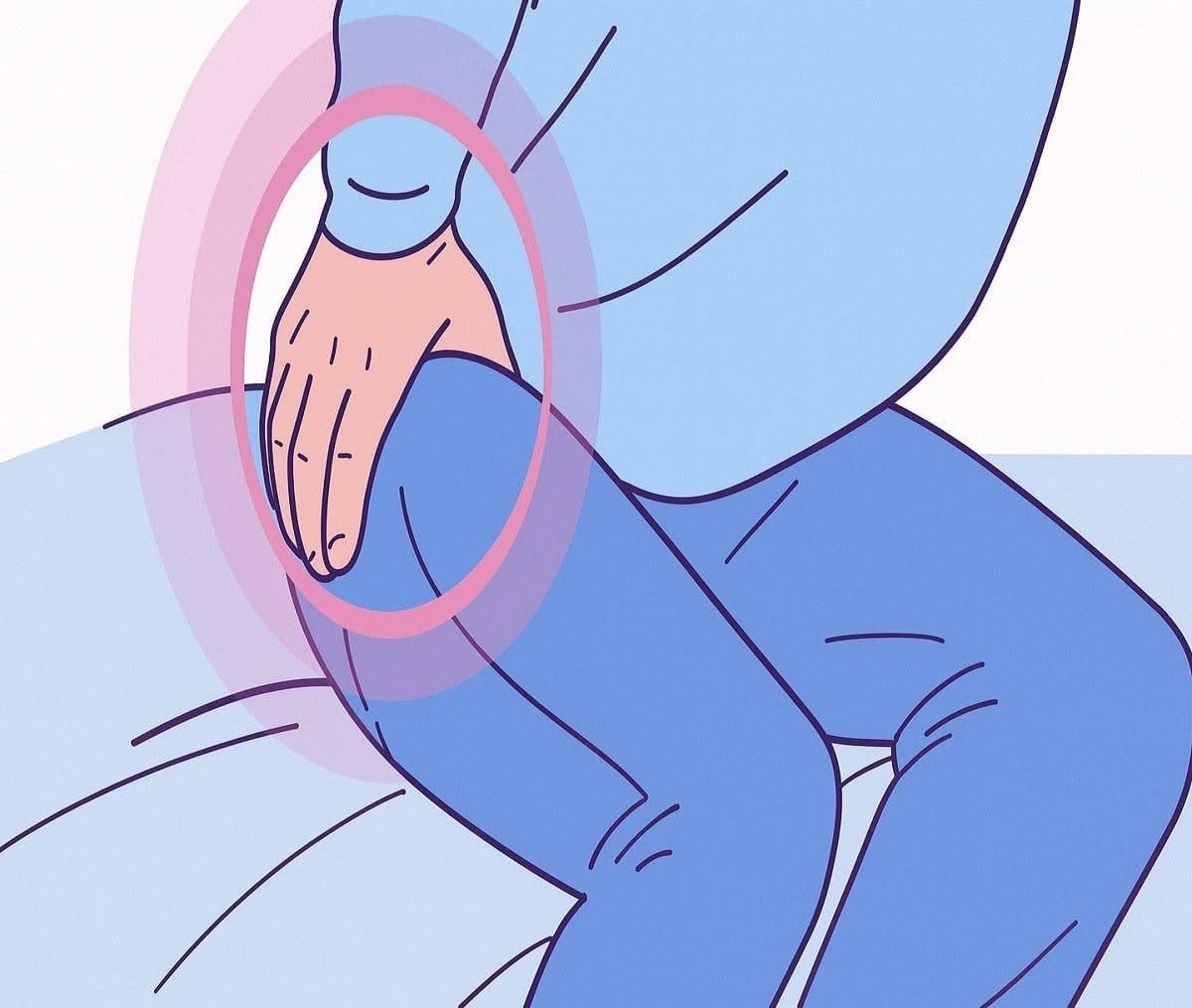
Some people with ALS develop muscle stiffness, medically known as spasticity.
The muscles may feel unusually tight or difficult to move.
A person might notice that:
Their legs feel stiff while walking
Movements become less fluid
Muscles resist stretching
Sudden spasms occur
Walking becomes increasingly difficult
Again, stiffness alone is not specific to ALS. Numerous neurological and musculoskeletal conditions can produce similar symptoms.
10. Difficulty With Fine Motor Movements
Early weakness may become especially noticeable during tasks requiring precise hand movements.
For example, someone might suddenly struggle with:
Tying shoelaces
Using a smartphone
Writing
Handling coins
Opening buttons
Cutting food
Holding a cup
Using a computer keyboard
The important feature is generally progression rather than a single isolated episode.
A person may realize that an everyday task that was previously automatic has gradually become difficult.
Symptoms That Are Less Typical of ALS
Understanding what ALS usually does not cause can also be helpful.
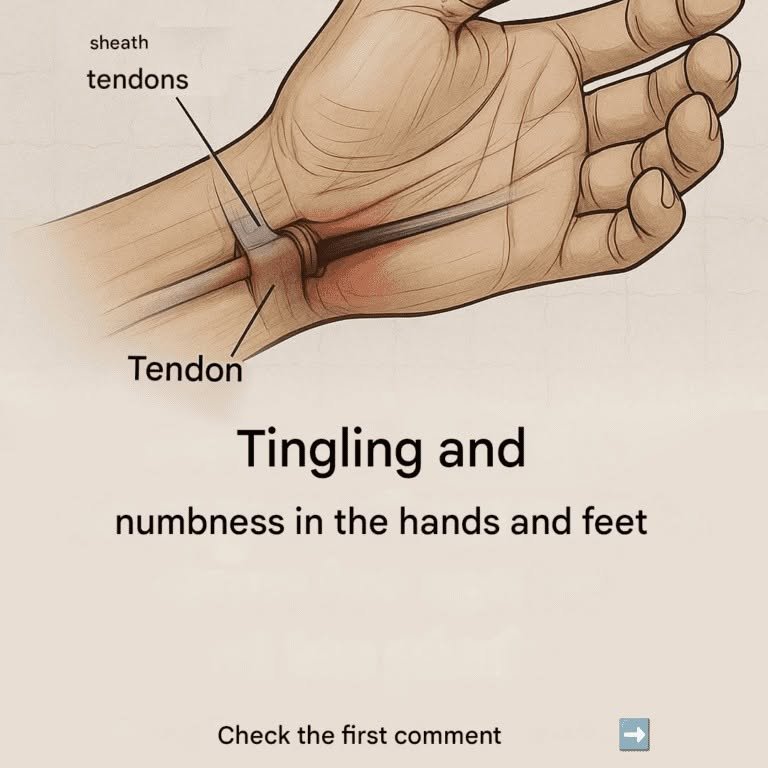
Typical ALS primarily affects motor function. Significant sensory symptoms such as:
Numbness
Pins and needles
Loss of sensation
Burning sensations
Altered temperature sensation
are not usually the defining early features of ALS.