Lou Gehrig’s Syndrome: Understanding the Early Symptoms of ALS
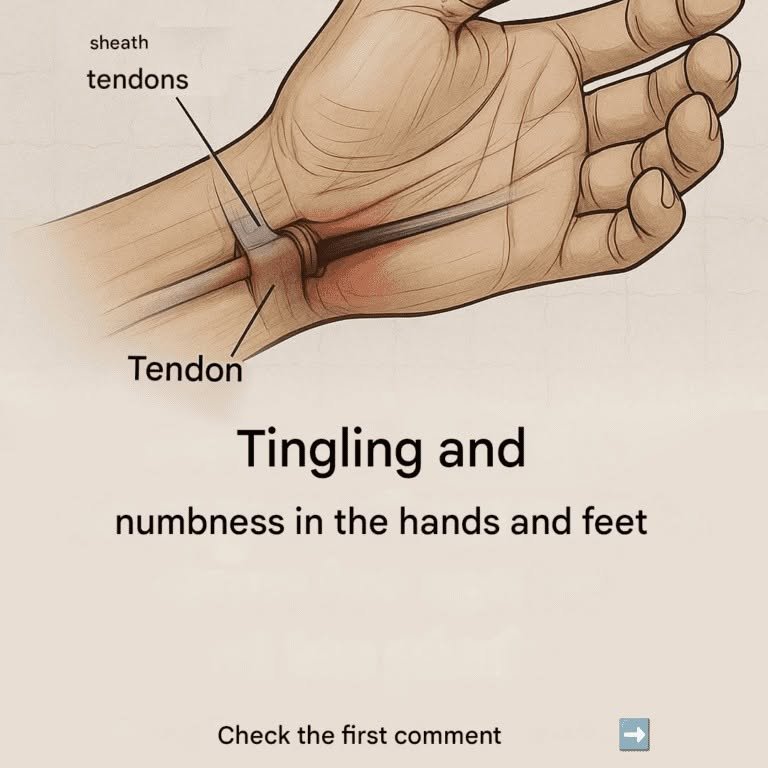
If someone has numbness or tingling without progressive muscle weakness, many other explanations may be considered, including nerve compression, diabetes, vitamin deficiencies, circulation problems, medication effects, and other neurological conditions.
This does not mean sensory symptoms can never occur in someone who has ALS, but they are not generally the main characteristic of the disease.
ALS Symptoms Can Begin Differently in Different People
There is no single pattern that every person with ALS experiences.
For some people, symptoms begin in a hand or arm.
For others, the first noticeable problem may involve a leg.
In another person, speech or swallowing may be affected first.
This is one reason it can be difficult to recognize ALS during its earliest stages.
A person may initially assume that they have:
A pinched nerve
Arthritis
A sports injury
Normal aging
Muscle fatigue
A vitamin deficiency
Stress
Poor sleep
Sometimes those explanations are correct. Other times, further investigation is necessary.
When Should You See a Doctor?
A medical evaluation is particularly important when weakness is:
Persistent
Getting progressively worse
Affecting one side of the body
Interfering with normal activities
Associated with visible muscle wasting
Associated with repeated falls
Accompanied by difficulty speaking or swallowing
Associated with persistent muscle twitching and weakness
A doctor may perform a neurological examination to evaluate muscle strength, reflexes, coordination, movement, and other functions.
Depending on the situation, additional tests may be recommended.
These can include blood tests, imaging studies, nerve conduction studies, electromyography, or other neurological investigations.
There is no single simple test that can determine ALS by itself. Doctors generally need to consider the patient’s symptoms, examination findings, progression, and test results while also ruling out other conditions that can produce similar symptoms.
Why Early Evaluation Matters
Many symptoms associated with ALS are also symptoms of much more common conditions.
For example, hand weakness can occur because of nerve compression at the wrist or elbow. Leg weakness can have orthopedic or spinal causes. Muscle twitching can occur in otherwise healthy people.
This means that seeing a doctor because of a concerning symptom does not mean you have ALS.
Instead, evaluation helps determine what is actually happening.
If the cause is something treatable, identifying it can allow appropriate treatment to begin.
If a neurological condition is suspected, early evaluation can help establish a diagnosis and connect the person with appropriate care and support.