People With This Blood Type Are More Likely to Live to 100 Years Old: What Science Really Says
What About Heart Disease?
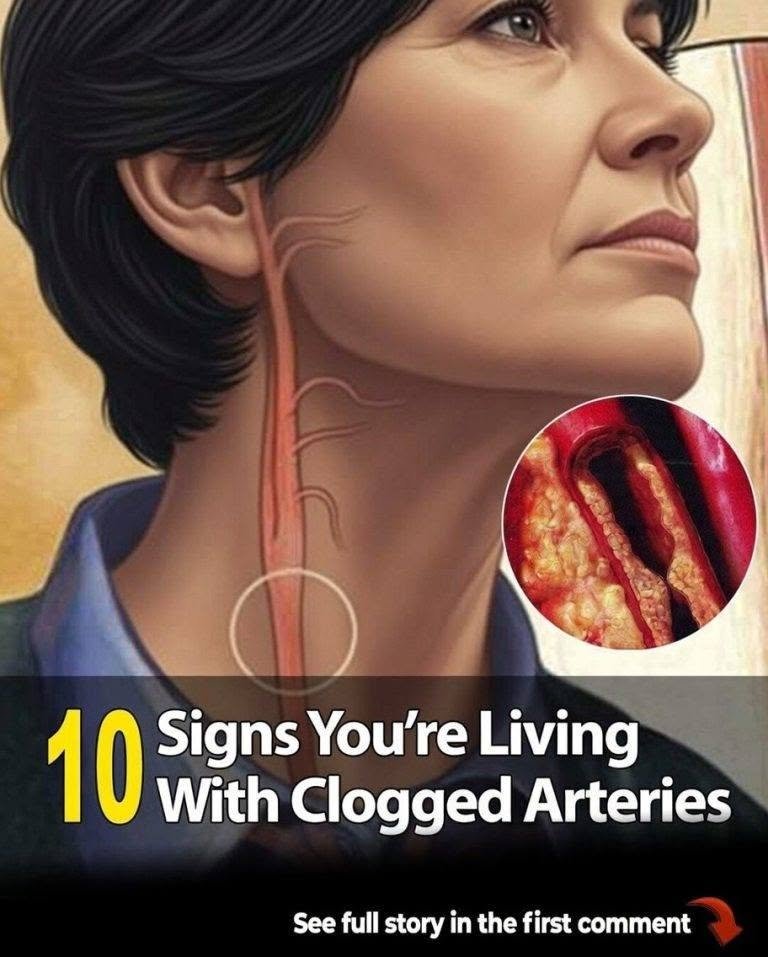
Researchers have also investigated relationships between ABO blood groups and cardiovascular disease.
Some studies have found that people with non-O blood groups may have somewhat different risks for certain cardiovascular conditions compared with people with type O blood.
But these differences are generally much smaller than the effects of major cardiovascular risk factors.
High blood pressure, smoking, diabetes, high cholesterol, physical inactivity, and obesity can have substantial effects on cardiovascular health.
This is why knowing your blood type is not a substitute for monitoring your blood pressure or cholesterol.
A person with type O blood who smokes, has uncontrolled high blood pressure, and rarely exercises is not automatically protected from heart disease.
Likewise, someone with type A blood who exercises regularly, does not smoke, eats a balanced diet, and manages their health conditions may have excellent cardiovascular health.
What About Reaching 100?
Living to 100 is known as reaching centenarian age.
Centenarians are a fascinating group for researchers because they have survived many of the diseases and challenges that affect people earlier in life.
Scientists study their genetics, immune systems, metabolism, lifestyle, environment, and social circumstances to understand why some people experience exceptionally long lives.
When researchers examine large populations, they may discover statistical differences between groups.
But this is very different from saying:
“This blood type is the blood type of people who live to 100.”
There is no single blood type that can guarantee exceptional longevity.
Some very old people have type A blood.
Others have type B, AB, or O.
The presence of one blood type among centenarians does not prove that the blood type caused their longevity.
Genetics Matter, But Lifestyle Matters Too
Longevity has a genetic component, but genes are only part of the story.
People who live exceptionally long lives often have combinations of genetic characteristics that may help protect them against certain diseases.
But their environment and lifestyle also matter.
Many people who live into their 90s or beyond have maintained habits such as regular physical activity, nutritious eating, avoiding smoking, moderate alcohol consumption or no alcohol, and maintaining strong social connections.
There is no single lifestyle shared by every centenarian.
However, one common theme is that long-term health is usually the result of many small factors accumulating over decades.
Your Blood Type Cannot Tell You Your Exact Lifespan
Imagine two people.
Person A has type O blood but has uncontrolled high blood pressure, smokes heavily, rarely exercises, and has a diet high in ultra-processed foods.
Person B has type A blood, does not smoke, exercises regularly, maintains a healthy weight, manages their blood pressure, and follows a balanced diet.
It would make little sense to conclude that Person A will necessarily live longer simply because of blood type.
The example illustrates an important point:
Blood type is not more important than the major factors that influence health.
Your blood pressure, cholesterol, blood sugar, activity level, smoking status, diet, sleep, and medical history are much more useful pieces of information when thinking about your long-term health.
Can You Change Your Blood Type?
Normally, no.
Your ABO blood type is genetically determined and remains the same throughout your life.
There are rare medical circumstances, such as certain types of bone marrow or stem-cell transplantation, in which a person’s blood-cell characteristics can change because their blood-forming system has been replaced.
For ordinary everyday life, however, your blood type is a fixed biological characteristic.
You cannot change from A to O by changing your diet, exercising, taking supplements, or drinking a particular beverage.
Should You Eat Differently Based on Blood Type?
Claims that people should follow completely different diets based solely on their blood type have become popular.
However, the idea that a specific diet is necessary simply because you have type A, B, AB, or O blood is not well supported by scientific evidence.
Healthy eating principles apply broadly to people regardless of ABO blood group.
A nutritious diet generally emphasizes vegetables, fruits, whole grains, legumes, nuts, seeds, appropriate sources of protein, and minimally processed foods while limiting excessive added sugars, highly processed foods, and excessive sodium.
Individual needs can vary because of medical conditions, allergies, age, activity level, and other circumstances.
But your blood type alone does not determine which foods your body is allowed to eat.
The Importance of Blood Pressure
If your goal is to improve your chances of living a long and healthy life, monitoring blood pressure is far more useful than worrying about whether your blood type is associated with longevity.
High blood pressure can develop without obvious symptoms.
Over time, uncontrolled high blood pressure can damage blood vessels and increase the risk of serious cardiovascular and neurological problems.
Regular blood pressure checks can help identify a problem early.
If your blood pressure is consistently elevated, discussing it with a healthcare professional is important.