Red Onions: 10 Potential Health Benefits for Your Heart, Gut, Blood Sugar, and Skin
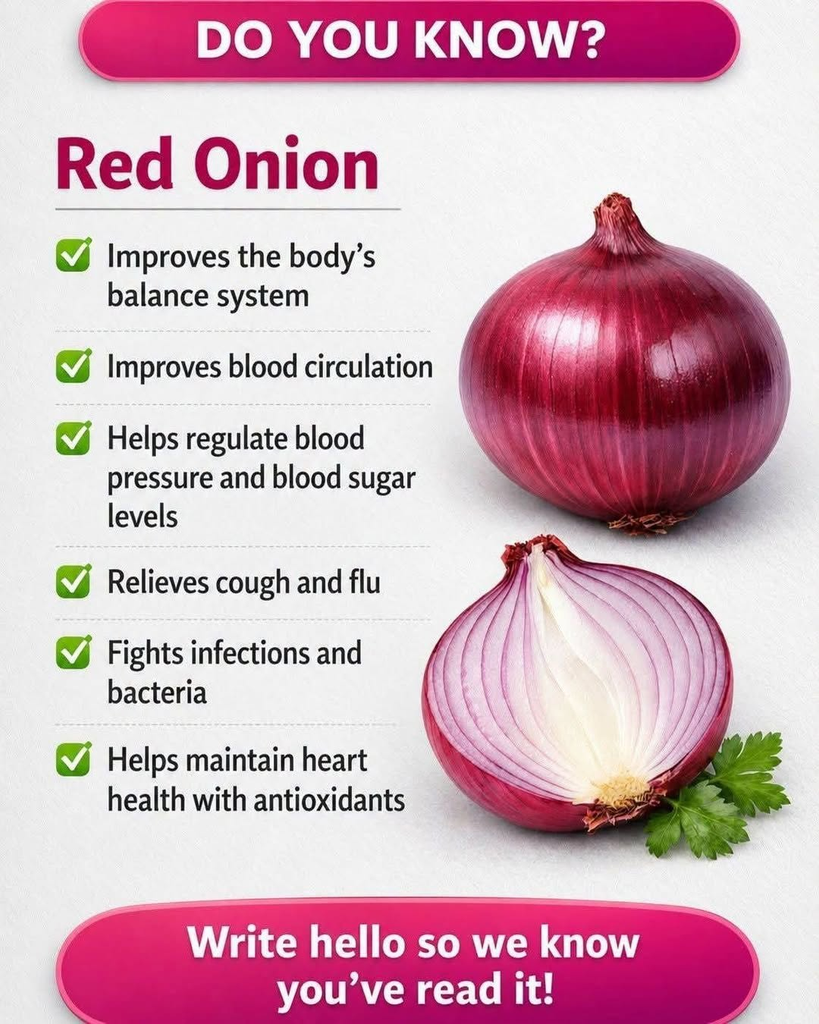
Red onions are more than just a colorful ingredient that adds flavor and texture to everyday meals. These beautiful purple-red vegetables are packed with naturally occurring plant compounds, antioxidants, vitamins, minerals, and dietary fiber that can contribute to a healthy diet.
For generations, onions have been used in traditional cooking and home remedies around the world. Today, researchers are increasingly interested in their nutritional properties, particularly the compounds that may support cardiovascular health, digestive function, and the body’s natural defenses.
Red onions are especially interesting because they contain anthocyanins, the natural pigments responsible for their reddish-purple color. They also contain quercetin, a plant flavonoid with antioxidant and anti-inflammatory properties.
Although red onions are not a medicine and cannot cure diseases, including them regularly in a balanced diet may offer several nutritional benefits.
So, what makes red onions worth eating? Here are 10 potential health benefits and simple ways to enjoy them.
1. Red Onions May Help Support Heart Health
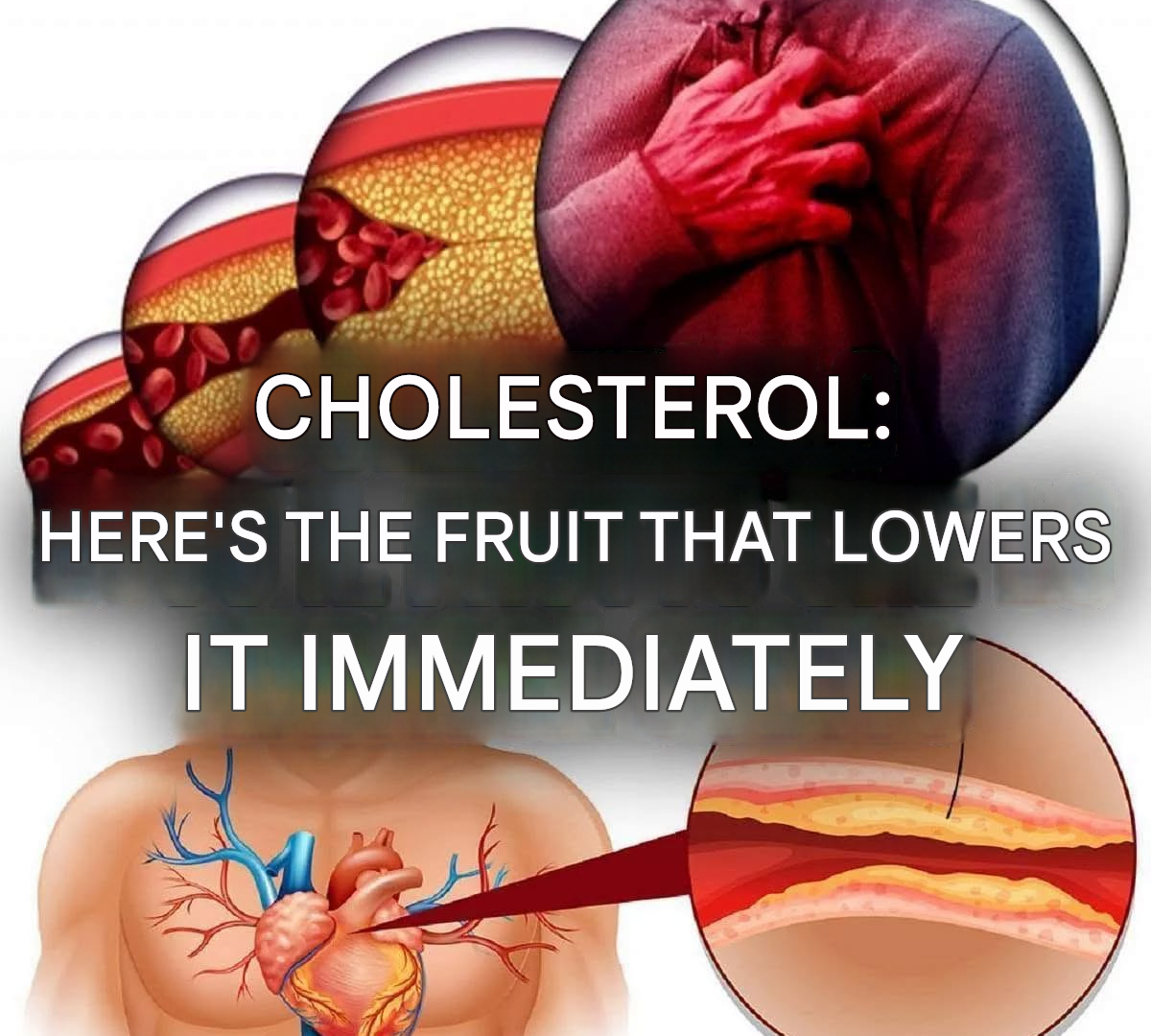
Heart health is influenced by many factors, including diet, physical activity, blood pressure, cholesterol levels, and lifestyle habits.
Red onions contain several plant compounds that researchers have investigated for their potential cardiovascular benefits.
One particularly interesting compound is quercetin, which has antioxidant properties. Antioxidants help protect cells from oxidative damage caused by unstable molecules known as free radicals.
Red onions also contain anthocyanins, which contribute to their distinctive color and have been studied for their possible effects on cardiovascular health.
Some research suggests that diets rich in flavonoid-containing vegetables may be associated with better cardiovascular health.
However, eating red onions does not guarantee protection against heart attacks or other cardiovascular diseases.
For better heart health, combine onions with other nutritious foods, such as leafy greens, tomatoes, beans, whole grains, nuts, and olive oil.
2. They Contain Antioxidants That Help Protect Cells