Purslane: The Nutritious Wild Plant That Has Been Used for Generations
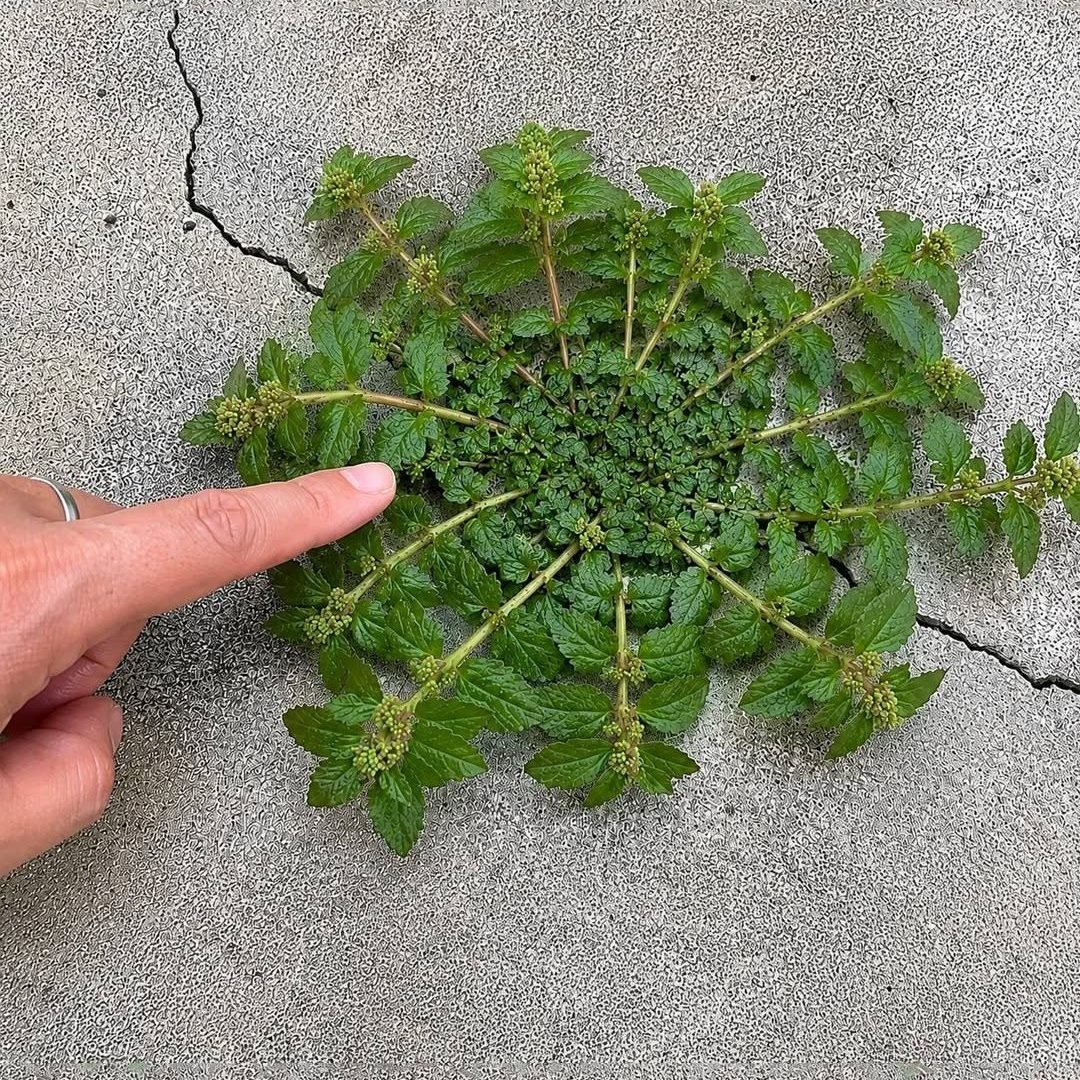
Purslane is a small, low-growing plant that is often overlooked because it can appear like an ordinary weed growing in gardens, fields, sidewalks, and cracks in the ground. However, this humble plant has been eaten in many parts of the world for generations and is valued for its fresh, slightly sour flavor and its nutritional content.
The plant shown in the image appears to be common purslane (Portulaca oleracea), although a photograph alone cannot guarantee identification. Correct identification is especially important when collecting wild plants because some plants can look similar but may not be safe to eat.
You may have seen claims online describing purslane as “the most powerful plant in the world” or suggesting that it can eliminate back pain, swollen legs, or thyroid problems. These claims are much stronger than the scientific evidence supports. Purslane can be an interesting and nutritious addition to a balanced diet, but it should not be considered a miracle cure or a replacement for medical treatment.
What Is Purslane?
Purslane is a succulent plant with soft, fleshy leaves and stems. Its stems are commonly reddish or reddish-purple, while its leaves are small, smooth, oval, and somewhat thick because they store water.
It grows close to the ground and can spread quickly under suitable conditions. During warm weather, it may produce small yellow flowers.
Purslane has been used as a food in different cuisines for a very long time. The leaves and tender stems can be eaten raw or cooked, provided the plant has been correctly identified and collected from a clean, safe environment.
Its flavor is often described as slightly sour, fresh, and lemony. Because of its crunchy texture and mild acidity, it can be added to salads, soups, stews, vegetables, sandwiches, and other dishes.
Why Is Purslane Considered Nutritious?
One of the reasons purslane has attracted attention is its nutritional profile.
Like many leafy vegetables, purslane provides vitamins, minerals, antioxidants, and other plant compounds. It also contains a type of omega-3 fatty acid known as alpha-linolenic acid (ALA).
ALA is an essential fatty acid, meaning the body cannot produce enough of it on its own and needs to obtain it from food.
However, it is important to understand that ALA is not the same as the omega-3 fats EPA and DHA commonly found in oily fish and seafood. The human body can convert some ALA into EPA and DHA, but the conversion is limited.
This means that eating purslane can contribute to overall nutrition, but it should not be described as equivalent to eating fish or taking a source of EPA and DHA.
Purslane and Antioxidants
Purslane contains various plant compounds with antioxidant activity.
Antioxidants help protect cells from oxidative stress, which is a natural process that occurs in the body. Fruits, vegetables, herbs, nuts, seeds, and other plant foods can all contribute antioxidants to the diet.
However, the presence of antioxidants in a food does not mean that the food can cure diseases.
A healthy diet generally works through the combined effects of many foods and nutrients rather than through one “miracle” ingredient.
Including colorful vegetables, fruits, legumes, whole grains, nuts, seeds, and other nutritious foods is a more meaningful approach than relying on one plant.
Can Purslane Relieve Back Pain?
One of the claims sometimes associated with purslane is that eating it can eliminate back pain.
There is currently no good evidence that simply eating purslane can cure chronic back pain.
Back pain can have many different causes. Muscle strain, poor posture, arthritis, injuries, nerve irritation, spinal problems, physical inactivity, and many other conditions can contribute to pain.
Nutrition can certainly be part of maintaining healthy bones, muscles, and general health, but it is different from treating the underlying cause of back pain.
If back pain is severe, persistent, worsening, or accompanied by symptoms such as weakness, numbness, difficulty walking, loss of bladder or bowel control, fever, or unexplained weight loss, medical evaluation is important.
What About Swollen Legs or Ankles?
Another popular claim suggests that purslane can eliminate swelling in the legs or ankles.
This is an area where people should be particularly careful.
Swelling can sometimes occur after standing for a long time, sitting for extended periods, eating a very salty diet, or experiencing minor injuries. But persistent or unexplained swelling can also have more serious causes involving circulation, the heart, kidneys, liver, veins, medications, or other medical conditions.
For that reason, it is not appropriate to assume that swollen ankles simply mean that the body needs purslane.
If one leg suddenly becomes swollen, painful, red, or warm, especially if the symptoms develop quickly, medical attention should be sought promptly.
Likewise, swelling accompanied by shortness of breath, chest pain, fainting, or severe weakness requires urgent medical evaluation.
Purslane should never be used as a substitute for investigating the cause of unexplained swelling.