Purslane: The Nutritious Wild Plant That Has Been Used for Generations
Claims about purslane “healing” or “repairing” the thyroid should also be treated cautiously.
Thyroid conditions can have many different causes, including hypothyroidism, hyperthyroidism, autoimmune thyroid disorders, thyroid nodules, and other conditions.
The appropriate treatment depends on the specific diagnosis.
There is no reliable evidence that eating purslane can replace prescribed thyroid medication or cure a thyroid disorder.
Someone taking thyroid medication should continue following the treatment plan provided by their healthcare professional unless they are specifically advised otherwise.
If symptoms such as unexplained weight changes, persistent tiredness, unusual sensitivity to cold or heat, rapid heartbeat, tremors, neck swelling, or significant changes in mood are present, proper medical evaluation is more useful than relying on a particular herb or wild plant.
How Can You Eat Purslane?
If you have correctly identified purslane and know that it was grown or collected in a safe environment, there are several simple ways to enjoy it.
Fresh Purslane Salad
Wash the leaves and tender stems thoroughly. Combine them with tomatoes, cucumber, onion, lemon juice, olive oil, and a small amount of salt.
The naturally slightly sour flavor of purslane can make it particularly refreshing in salads.
Cooked Purslane
Purslane can also be added to soups and vegetable dishes.
The tender stems and leaves become softer when cooked and can be combined with tomatoes, onions, garlic, beans, lentils, or other vegetables.
Purslane With Eggs
Another simple option is to lightly sauté purslane with onions and then add beaten eggs.
This creates a nutritious meal containing vegetables and protein.
Add It to Soup
Tender purslane can be added to soups near the end of cooking. It can provide texture, flavor, and additional plant nutrients.
Important Safety Considerations
Although purslane can be edible, wild plants require caution.
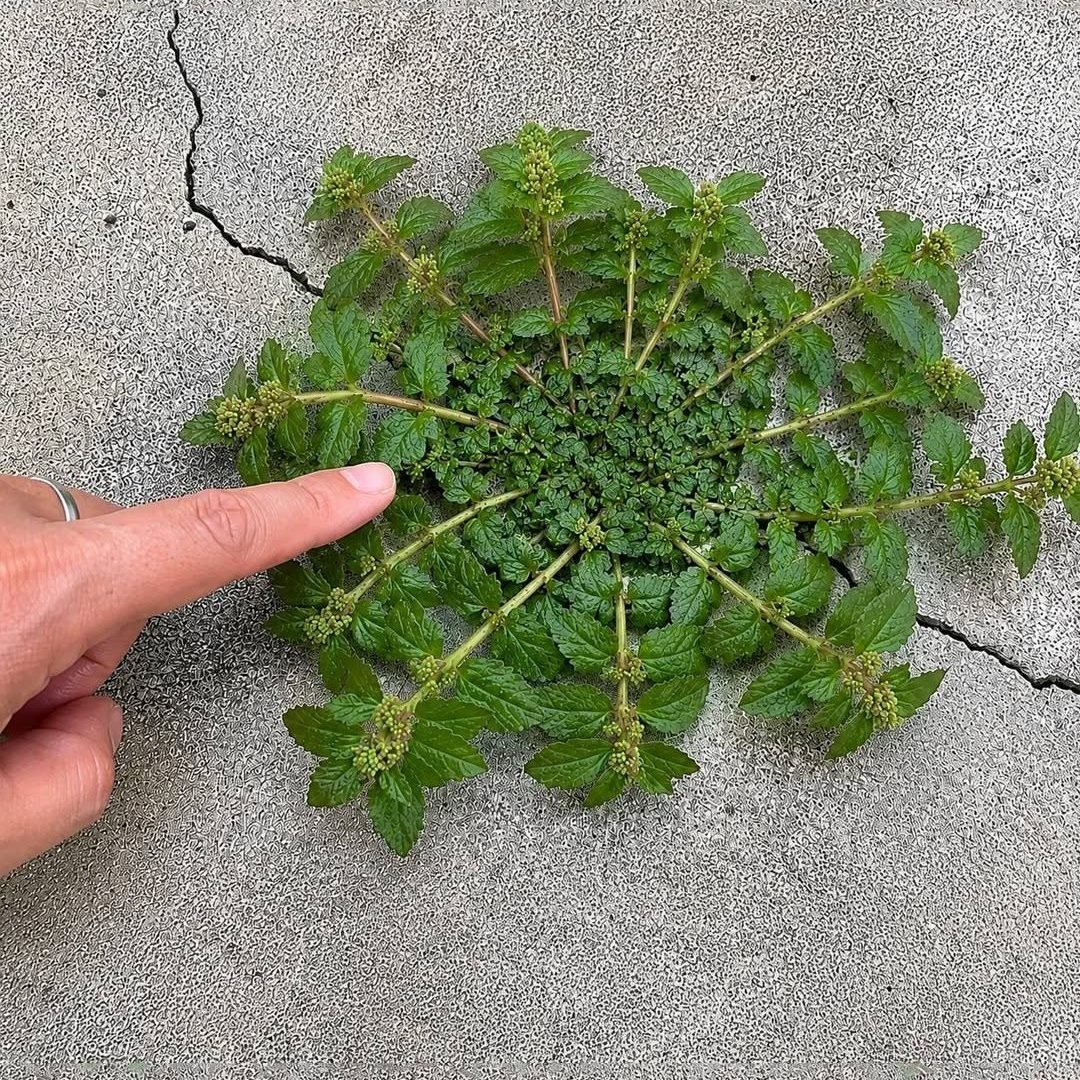
Never eat a wild plant simply because it resembles a picture you saw online.
Different plants can look surprisingly similar, and identification mistakes can have serious consequences.
Purslane is also known to contain oxalates. People who have been advised to limit dietary oxalates, particularly those with a history of certain types of kidney stones or specific kidney problems, should discuss their diet with a healthcare professional before consuming large amounts.
It is also important to avoid plants collected from places that may have been exposed to pesticides, herbicides, contaminated water, heavy traffic, animal waste, or other pollutants.
A plant growing beside a busy road or in an area treated with chemicals should not automatically be considered safe just because the species itself can be edible.
Why “The Most Powerful Plant in the World” Is Misleading
Social media posts often use dramatic phrases such as:
“the most powerful plant in the world”
“one leaf can cure everything”
“doctors don’t want you to know”
or
“this plant repairs your body.”
These statements are designed to attract attention, but they don’t necessarily reflect scientific evidence.
Purslane is genuinely interesting from a nutritional perspective. It contains beneficial nutrients and plant compounds and has a long history as a food.
That is already enough to make it worth learning about.
There is no need to turn it into a miracle cure.
A healthy food does not have to cure a disease to be valuable.
The Bottom Line
Purslane is a nutritious edible plant that has been consumed by people in different cultures for generations. It provides vitamins, antioxidants, and plant-based omega-3 ALA, and its leaves and tender stems can be incorporated into salads, soups, eggs, and cooked vegetable dishes.
However, claims that purslane can automatically eliminate back pain, cure swollen legs, or treat thyroid disease are not supported by strong evidence.
The most sensible way to think about purslane is as a nutritious food, not a miracle medicine.
If you find it growing in your garden, make sure you can identify it correctly before eating it. Only collect wild plants from clean, uncontaminated areas, wash them thoroughly, and be particularly cautious if you have kidney problems, a history of kidney stones, or a medical condition requiring dietary restrictions.
Nature provides many remarkable foods, and purslane is certainly one of them. But its real value is found in its nutrition and culinary versatility—not in exaggerated promises that a single plant can cure every health problem.