Stop Throwing Away Eggshells: How to Reuse Them Around Your Home and Garden
Because eggshells contain calcium, some viral posts suggest that consuming them can reverse or prevent osteoporosis.
That’s an oversimplification.
Bone health depends on much more than calcium alone.
Vitamin D, protein, physical activity, hormones, age, genetics, medications, and other factors can all influence bone health.
People who are concerned about osteoporosis should speak with a healthcare professional and follow evidence-based recommendations rather than relying on homemade eggshell preparations.
16. Eggshells Can Be a Useful Example of Food Recycling
Even when a viral health claim is exaggerated, there can still be a useful idea underneath it.
Instead of automatically throwing every eggshell into the trash, you can reuse them.
Eggshells can be:
Added to compost
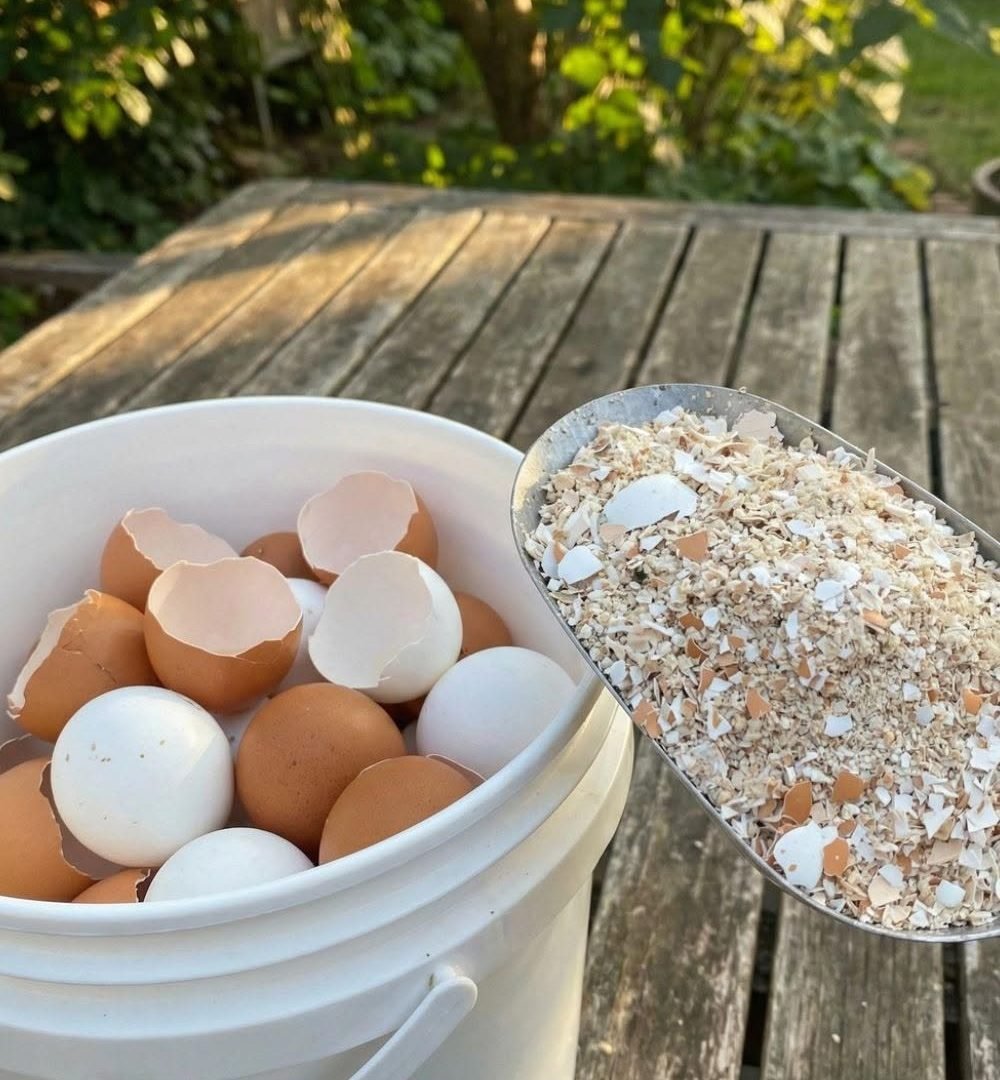
Crushed for garden soil
Ground into a fine garden amendment
Used as an educational science material
Disposed of with other organic waste where appropriate
This reduces kitchen waste and gives the material another purpose.
17. How to Prepare Eggshells Safely for Gardening
If you’re using eggshells outdoors, basic hygiene is still important.
After cracking the eggs, rinse the shells.
Remove visible egg residue.
Dry them thoroughly.
If you want to be especially careful, heat-treat them before grinding.
Once completely dry, crush or grind them.
Store the resulting material in a dry container.
Wash any equipment that came into contact with raw egg residue.
The goal is simple: don’t allow leftover raw egg material to sit around and create unpleasant odors or attract unwanted pests.
18. How Much Eggshell Should You Use?
There isn’t one universal amount that every garden needs.
The appropriate quantity depends on your soil and what you’re trying to accomplish.
Adding huge amounts of eggshells isn’t necessarily better.
If your soil already contains adequate calcium and has an appropriate pH, excessive additions may be unnecessary.
For serious soil problems, a soil test can tell you much more than a viral recipe.
This is particularly important if you’re growing vegetables and want to optimize soil conditions.
19. Eggshells Are Not a Complete Fertilizer
This is another important point.
Plants require multiple nutrients, including nitrogen, phosphorus, potassium, calcium, magnesium, sulfur, and several micronutrients.
Eggshells primarily provide calcium carbonate.
They don’t provide everything a plant needs.
So if you replace your normal fertilizer with eggshells alone, your plants may eventually suffer from nutrient deficiencies.
Think of eggshells as a possible supplementary soil amendment, not a complete plant food.
20. A Simple Eggshell Recycling Routine
You can make eggshell recycling part of your normal kitchen routine.
After using eggs:
1. Save the shells.
2. Rinse them thoroughly.
3. Let them dry.
4. Crush them into small pieces.
5. Add them to your compost or garden soil.
That’s it.
You don’t need an elaborate recipe.
If you have a garden, this simple habit can help you reuse a material that would otherwise become kitchen waste.
Frequently Asked Questions
Do boiled eggshells cure joint pain?
No. Boiled eggshells should not be promoted as a proven treatment for arthritis, rheumatism, or chronic joint pain.
Are eggshells good for plants?
They can provide calcium carbonate and may be useful as a soil amendment, particularly when finely crushed. However, their effect is slow and depends on the soil’s existing condition.
Can I put whole eggshells directly into the soil?
You can, but large pieces break down slowly. Crushing them into smaller pieces or powder increases their surface area.
Should I boil eggshells before using them in the garden?
Boiling can help clean the shells and remove remaining residue. The shells should then be dried completely before grinding or storing.
Can eggshells replace fertilizer?
No. Eggshells are not a complete fertilizer and don’t supply all the nutrients plants require.
Can I drink boiled eggshell water?
There is no good reason to treat ordinary eggshell water as a health drink or medicine. If you’re looking for calcium, safer and more predictable dietary or supplemental sources are available.
Do eggshells prevent all garden pests?
No. Although eggshell barriers are widely discussed online, they shouldn’t be considered a guaranteed method of pest control.
Final Thoughts
Eggshells don’t have to go straight into the trash.
Because they contain a large amount of calcium carbonate, they can be recycled into compost or used as a slow-release calcium-containing material in some garden soils. Crushing them finely can make them easier to incorporate into the soil.
But it’s important to separate useful recycling advice from exaggerated health claims.
Boiling eggshells doesn’t create a miracle medicine, and eggshell water shouldn’t be presented as a cure for arthritis, joint pain, osteoporosis, or other medical conditions.
If you’re interested in using eggshells, the garden is one of the most practical places to start.
Clean them, dry them, crush them, and use them thoughtfully. And before adding large quantities to your soil, remember that a soil test can tell you whether your plants actually need additional calcium or whether another nutrient or growing condition is the real problem.
So the next time you crack an egg, think twice before throwing away the shell. It may have another useful life beyond the kitchen. 🥚🌱