The Power of Oregano Oil: Nature’s Potent Antimicrobial for Parasites, UTIs, and Viruses
There is considerable interest in essential oils and herpes viruses, but evidence from laboratory experiments should not be confused with proven clinical treatment.
Herpes simplex virus can cause oral or genital infections.
Although certain plant compounds may demonstrate antiviral effects under experimental conditions, that does not establish that orally consuming oregano oil will eliminate herpes from the body.
There is currently no simple food or essential oil that can be relied upon to eradicate herpes infection.
People experiencing recurrent or severe herpes symptoms should discuss appropriate treatment with a healthcare professional.
What About Arthritis and Joint Pain?
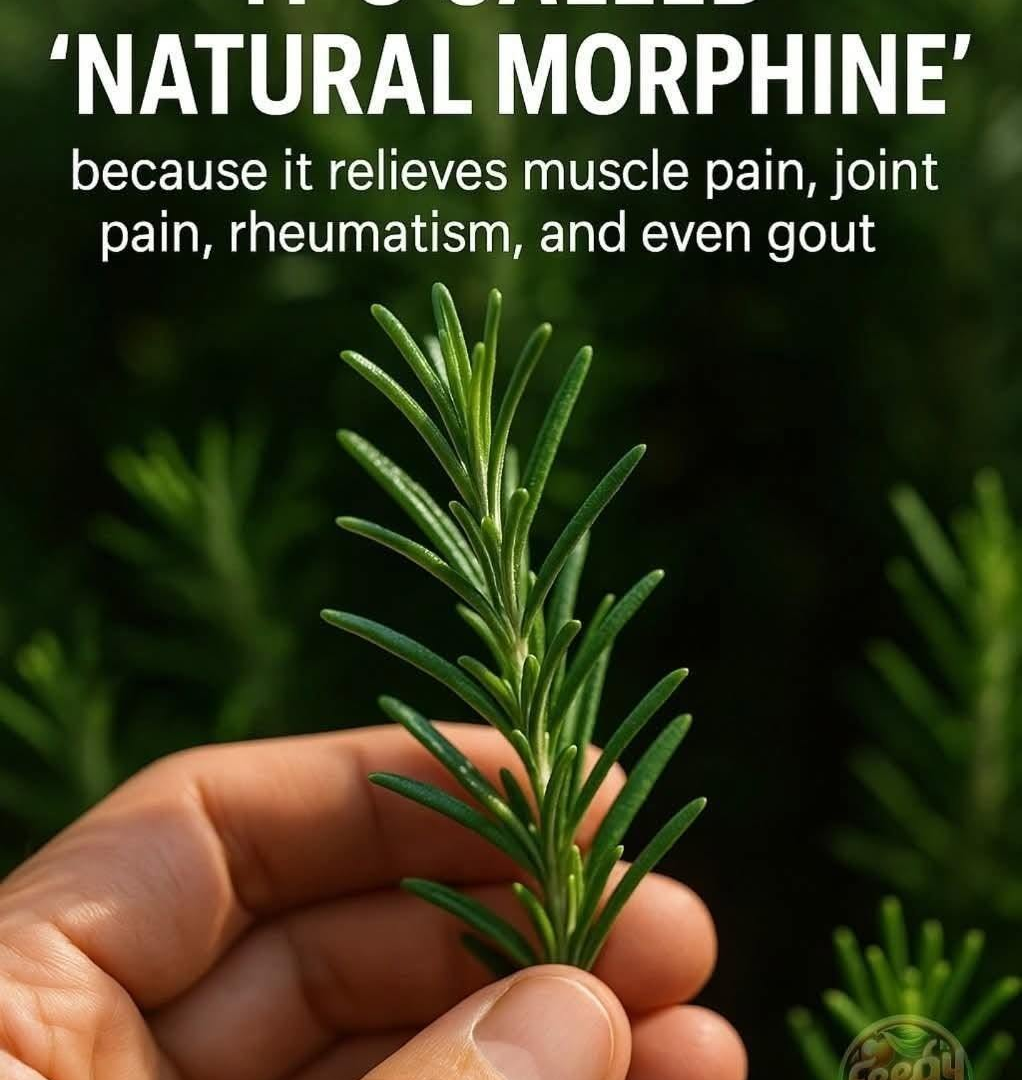
The image also claims that oregano can treat arthritis, joint pain, and sciatica.
These claims are considerably different from antimicrobial claims.
Arthritis involves inflammation, degeneration, or other changes affecting joints, depending on the type.
Sciatica generally involves irritation or compression affecting the sciatic nerve and can cause pain traveling from the lower back into the leg.
Neither condition is simply an infection that can be “killed” by an antimicrobial substance.
Oregano contains plant compounds with antioxidant and biological activity, and researchers continue to investigate their effects.
But that does not mean oregano oil can repair damaged cartilage, remove a compressed nerve, or cure arthritis.
If someone has persistent joint pain or sciatica, the underlying cause should be evaluated rather than assuming an essential oil will solve it.
Oregano as a Food Is Different From Oregano Essential Oil
This distinction is extremely important.
Using oregano in cooking is very different from taking concentrated oregano essential oil.
Culinary oregano is consumed in relatively small amounts as a food seasoning.
A few drops of essential oil can contain a much more concentrated amount of active compounds than the amount found in ordinary food.
Therefore, “oregano is safe to eat” does not automatically mean “oregano essential oil is safe to swallow in any quantity.”
Is Oregano Oil Safe?
Safety depends on the product, concentration, route of administration, dose, and individual circumstances.
Oregano consumed as a normal culinary herb is generally considered safe for most people.
Concentrated oregano oil is different.
Potential problems can include:
Stomach irritation
Nausea
Burning sensations
Allergic reactions
Skin irritation
Interaction with medications
Potential effects on blood clotting
Problems associated with excessive intake
Undiluted essential oil should not simply be applied directly to the skin because concentrated essential oils can cause irritation or sensitization.
Be Especially Careful With Pregnancy
People who are pregnant should be particularly cautious with concentrated herbal products and essential oils.
There is not enough evidence to establish the safety of medicinal doses of oregano oil during pregnancy.
Food amounts of oregano are very different from concentrated supplements or essential oils.
Pregnant people should therefore avoid experimenting with medicinal amounts of oregano oil unless specifically advised by a qualified healthcare professional.
The same principle applies during breastfeeding because evidence concerning concentrated medicinal use is limited.
Oregano Oil Can Interact With Medications
“Natural” does not automatically mean “interaction-free.”
Concentrated oregano products may potentially affect medications or bodily processes.
Extra caution may be appropriate for people taking medicines that affect:
Blood clotting
Blood sugar
Blood pressure
Fluid balance
Other metabolic processes
Anyone taking regular medication should discuss concentrated oregano supplements with a doctor or pharmacist before using them regularly.
This is especially important before surgery.
Don’t Put Undiluted Oregano Oil in Your Mouth
One of the biggest mistakes people make with essential oils is assuming that because an oil comes from an edible plant, concentrated essential oil can be swallowed like a food.
That is not a safe assumption.
Essential oils are highly concentrated.
Undiluted oregano oil can be intensely irritating to the mouth, throat, stomach, and digestive tract.
Products intended for oral use may be formulated differently from essential oils intended for aromatherapy or topical applications.
Always distinguish between the actual product and its intended route of use.
What Makes Oregano Oil So Interesting to Researchers?
Despite the exaggerated claims circulating online, there is a legitimate scientific reason researchers continue investigating oregano.
Carvacrol and thymol have demonstrated several biological activities.
Laboratory studies have explored their:
Antibacterial effects
Antifungal effects
Antioxidant activity
Antiparasitic activity
Effects on microbial biofilms
Effects on microbial membranes
These properties make oregano compounds interesting candidates for future research.
But research into a substance does not mean that the substance is already a proven treatment.
Many compounds show impressive activity in laboratory experiments but ultimately cannot be developed into effective human medicines because of toxicity, absorption problems, dosage limitations, or lack of clinical effectiveness.
Why “Natural Antibiotic” Can Be Misleading
Oregano oil is sometimes described online as a “natural antibiotic.”
That phrase can create confusion.
An antibiotic specifically refers to medicines used against certain bacterial infections.
Oregano oil is not a substitute for prescribed antibiotics.
If a person has bacterial pneumonia, a serious urinary infection, bloodstream infection, or another potentially dangerous bacterial illness, delaying appropriate treatment while taking oregano oil could have serious consequences.
Natural products may eventually contribute compounds to new medicines, but that does not make the raw plant product equivalent to a pharmaceutical drug.
How Oregano Can Fit Into a Healthy Lifestyle
The safest and simplest way for most people to enjoy oregano is as a culinary herb.
Fresh or dried oregano can add flavor to:
Vegetables
Soups
Beans
Eggs
Fish
Chicken
Tomato-based dishes
Salads
Whole-grain meals
Using herbs and spices can also help make nutritious meals more enjoyable without relying heavily on salt.
This is very different from taking concentrated essential oil as a treatment.
When You Should See a Doctor
If you suspect an infection, the most important step is determining what kind of infection you actually have.
Seek medical advice when symptoms are persistent, severe, or worsening.
Particularly important symptoms include:
For possible urinary infection
Fever, chills, back pain, vomiting, blood in urine, or severe urinary symptoms.
For possible respiratory infection
Difficulty breathing, chest pain, persistent high fever, confusion, or severe weakness.
For possible fungal infection
Persistent or recurrent symptoms, extensive infection, or infection in someone with a weakened immune system.
For possible parasites
Persistent diarrhea, unexplained weight loss, blood in stool, prolonged abdominal symptoms, or a relevant travel or exposure history.
For joint or nerve pain
Severe weakness, loss of bladder or bowel control, numbness in the groin area, significant swelling, fever, or rapidly worsening symptoms require prompt evaluation.
The Bottom Line
Oregano is much more than a kitchen herb from a scientific perspective. Its essential oil contains compounds such as carvacrol and thymol, which have demonstrated antimicrobial activity in laboratory research.
Studies have investigated oregano oil against bacteria, Candida, and several parasites, and these findings are scientifically interesting.
But the viral claim that oregano oil simply “destroys parasites, urinary infections, herpes, flu viruses, Candida, arthritis, and sciatica” goes far beyond what current evidence can support.
There is an important difference between:
“This substance can inhibit a microorganism in a laboratory.”
and
“Taking this substance safely cures an infection in a human.”
Those are not the same claim.
Oregano oil may have potential for future therapeutic applications, but more high-quality human research is needed to determine where it can actually be useful, at what dose, and with what safety profile.
For everyday health, oregano remains a valuable culinary herb. Concentrated oregano oil, however, should be treated as a potent herbal product rather than a harmless cure-all.
Nature can provide powerful compounds—but “natural” does not automatically mean proven, risk-free, or capable of replacing medical treatment.