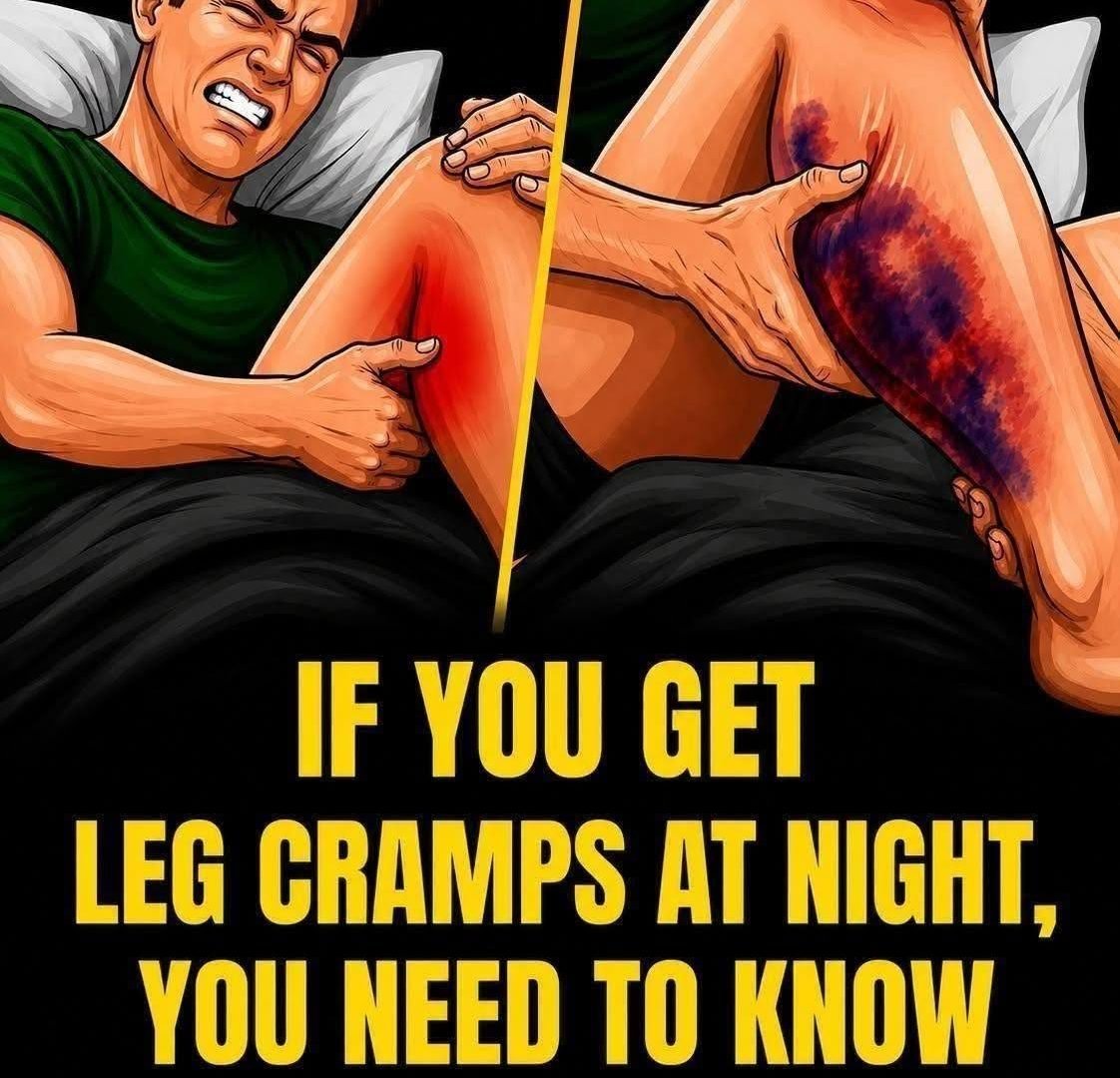
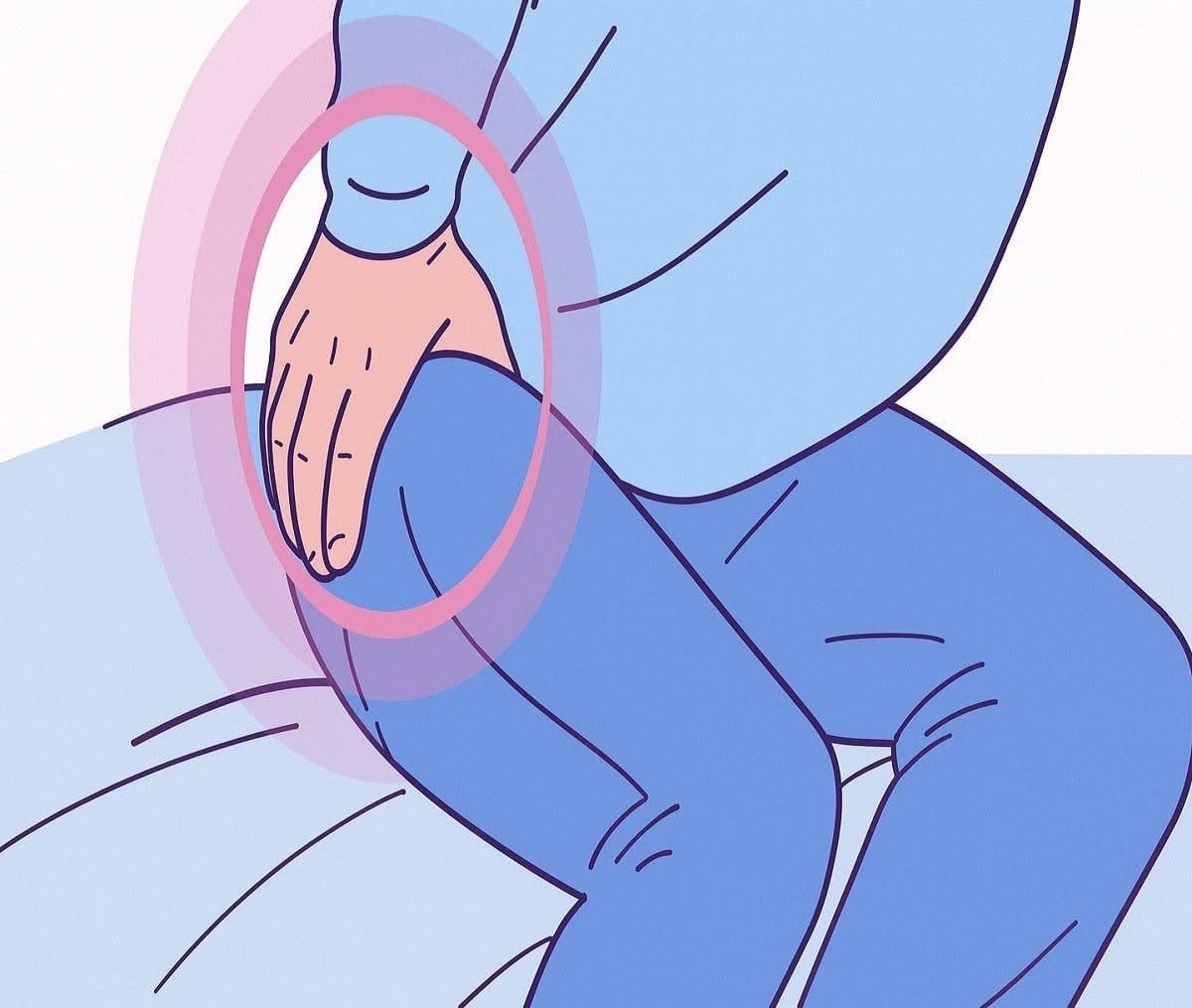
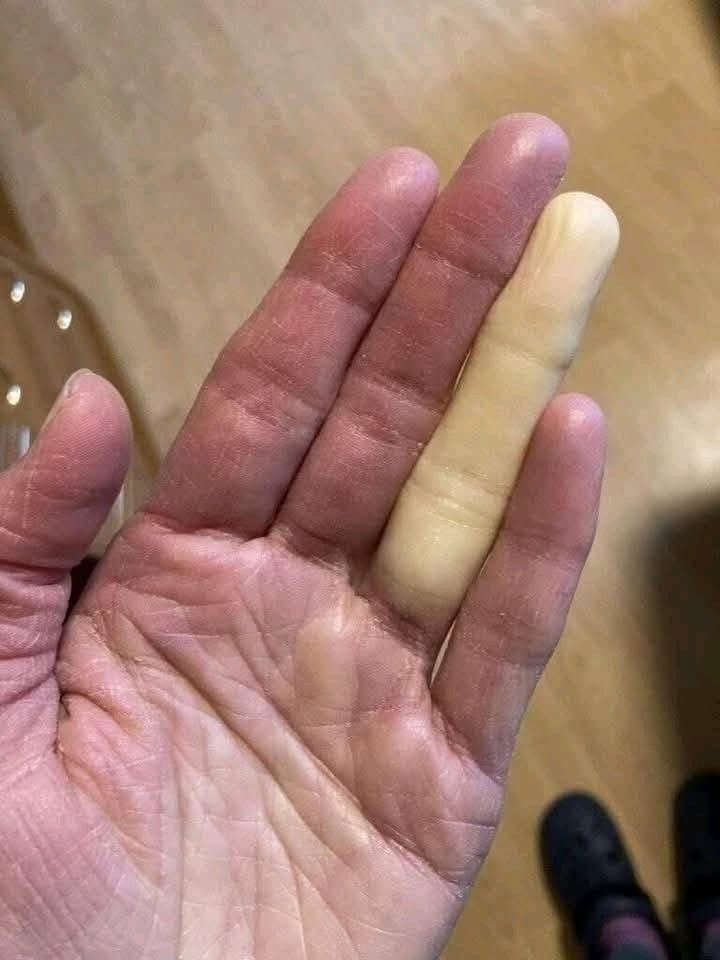
These Are the Consequences of Ignoring Severe Knee Pain: What This Image Really Shows
Can Sleeping on Your Side Cause Arthritis?
There is no simple basis for saying that sleeping on your side causes severe knee arthritis.
People naturally change positions while sleeping.
Joint disease develops through complex biological and mechanical processes, not simply because someone sleeps on one particular side.
If a person already has arthritis, however, certain sleeping positions may aggravate symptoms.
That is a comfort issue rather than evidence that the sleeping position caused the underlying disease.
What About Sleeping With the Knees Bent?
Many people naturally sleep with their knees slightly bent.
This is normal.
Keeping the knees bent during sleep does not automatically destroy the joint.
People with certain knee conditions may find prolonged bending uncomfortable, particularly if they already have stiffness or inflammation.
In those situations, experimenting with a more comfortable position can be reasonable.
But there is no universal sleeping position that guarantees protection from arthritis.
Don’t Ignore Persistent Pain
One of the biggest lessons from this type of image is that persistent symptoms deserve attention.
Many people tolerate knee pain for months or years because they assume it is simply part of getting older.
Sometimes it is mild wear and tear.
Sometimes it is an injury.
Sometimes it is arthritis.
And sometimes the underlying cause requires treatment.
Getting evaluated does not necessarily mean undergoing surgery.
Depending on the diagnosis, treatment may include exercise therapy, activity modification, weight management when appropriate, medications, assistive devices, injections in selected cases, or surgery when other approaches are insufficient.
The correct treatment depends on the individual.
Surgery Isn’t Automatically the Answer
Images showing severely damaged joints can make people think that surgery is inevitable.
That isn’t necessarily true.
Treatment depends on the severity and cause of the condition, the person’s symptoms, their physical function, medical history, and response to nonsurgical treatment.
Some people with radiographic arthritis have relatively mild symptoms.
Others can experience substantial pain despite changes that may appear less dramatic on an image.
This is why doctors consider both the person’s symptoms and the physical findings, rather than treating an image alone.
Why Medical Images Can Be Misleading
The picture shown is an illustration rather than a diagnostic scan of a particular person’s knee.
Medical illustrations often exaggerate or simplify anatomical features so that viewers can understand them.
A real knee affected by disease may look quite different.
Likewise, two people with the same diagnosis can have very different symptoms.
A dramatic picture should therefore be used as an educational illustration rather than proof that a particular lifestyle habit will produce the same result.
Protecting Your Knees Over Time
There are several sensible habits that can support overall joint health.
Stay physically active in ways appropriate for your body.
Maintain strength in the legs and hips.
Avoid smoking.
Maintain a healthy body weight when possible.
Use appropriate techniques when lifting heavy objects.
Treat significant injuries properly.
Don’t repeatedly push through severe joint pain.
And don’t assume persistent symptoms are simply something you have to live with.
Good joint health is not about avoiding every movement.
It is about maintaining strength, mobility, and overall health while responding appropriately when problems appear.
Final Thoughts
The image shows a dramatic comparison between a relatively normal knee and a severely abnormal joint and surrounding bone.
However, the caption claiming that such damage is the consequence of “sleeping with…” should not be accepted as a medical fact without evidence.
A particular sleeping position does not automatically produce the kind of extensive bone destruction shown in the image.
Serious knee damage can result from many different conditions, including advanced osteoarthritis, inflammatory disease, injury, infection, and other bone or joint disorders.
Sleeping position can affect comfort, and changing positions or using a pillow may help some people sleep more comfortably. But it should not be confused with the underlying causes of destructive joint disease.
If you have persistent knee pain, swelling, stiffness, instability, or difficulty walking, the most useful step is to determine why the symptoms are occurring.
And if a knee suddenly becomes extremely painful, swollen, hot, or difficult to move—especially when accompanied by fever or feeling unwell—prompt medical evaluation is important.
The real lesson isn’t to fear your sleeping position. It’s to pay attention to persistent knee symptoms and understand that serious joint problems have many possible causes.