These Are the Possible Consequences of Sleeping With Your Mouth Open
Your lips are also exposed to the airflow when you sleep with your mouth open.
Over several hours, this can contribute to moisture loss.
You may notice:
Dry lips in the morning
Flaking skin
Cracks around the lips
A tight or uncomfortable feeling
Increased sensitivity
Dry indoor air can make the problem worse, particularly during periods when heating or air conditioning is being used frequently.
Drinking enough fluids throughout the day and using a suitable lip moisturizer can help with simple dryness, but persistent problems should be discussed with a healthcare professional.
5. Your Throat May Feel Dry
Mouth breathing can also affect the throat.
You may wake up with a dry, scratchy, or irritated feeling in the back of your throat. Some people feel the need to drink water or clear their throat immediately after getting up.
Again, mouth breathing is only one possible explanation.
Allergies, acid reflux, infections, dry air, dehydration, and other conditions can also cause morning throat irritation.
If the symptom continues for a long time, determining the underlying cause is more useful than simply treating the dryness.
6. It May Be Related to a Blocked Nose
One of the most common reasons people breathe through their mouth while sleeping is difficulty breathing through the nose.
This can happen during:
Colds
Seasonal allergies
Nasal congestion
Sinus inflammation
Exposure to irritants
Certain structural problems inside the nose
When nasal breathing becomes difficult, the body may naturally switch to mouth breathing.
If you notice that you breathe through your mouth mainly when your nose is congested, the nasal problem may be the important issue to address.
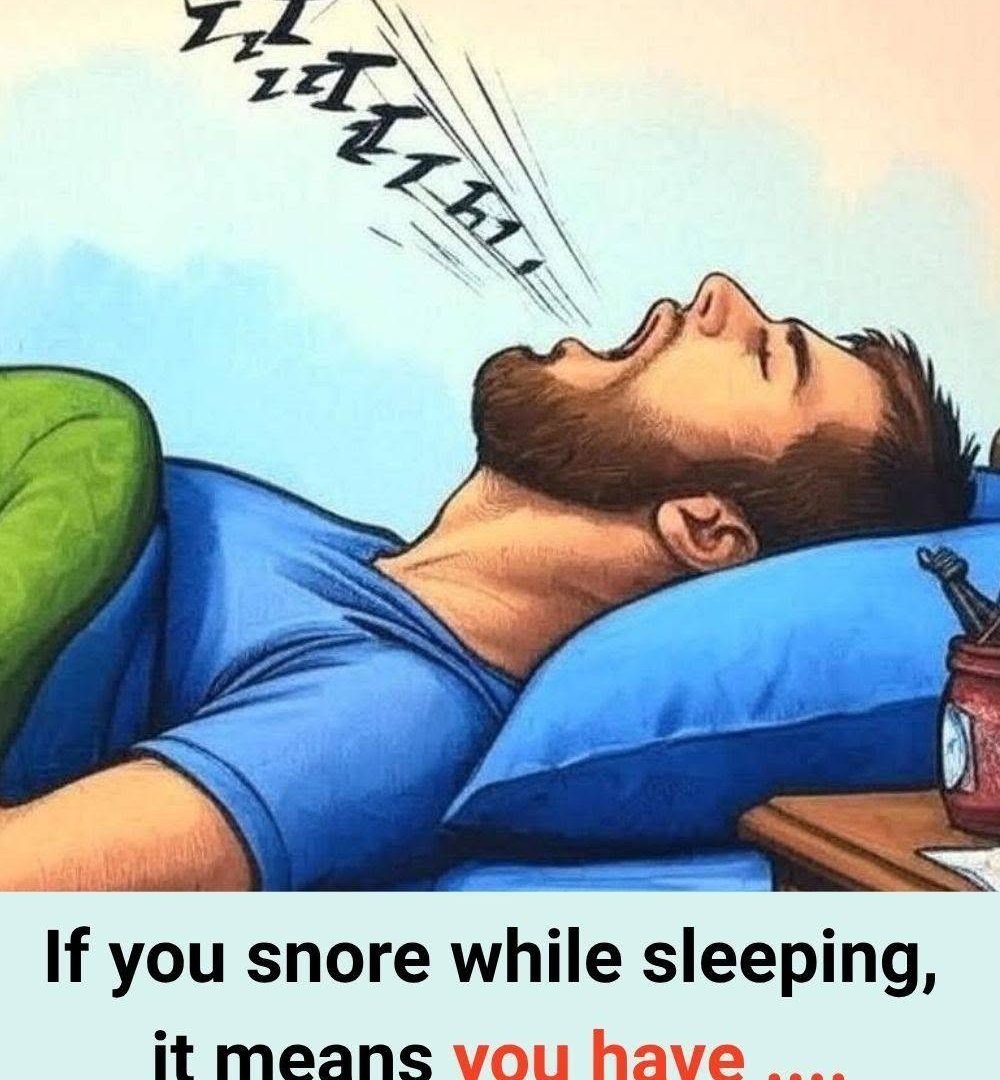
7. Snoring May Occur at the Same Time
Mouth breathing and snoring can occur together.
When air passes through a partially narrowed upper airway during sleep, surrounding tissues can vibrate and produce the sound we recognize as snoring.
Occasional snoring is common.
Persistent, loud snoring, however, can sometimes be associated with obstructive sleep apnea or other sleep-related breathing problems.
This becomes particularly important if someone notices that you stop breathing during sleep, gasp for air, or repeatedly wake up choking or struggling to breathe.
8. Sleep Quality May Be Affected
You can spend eight hours in bed and still fail to get good-quality sleep.
If mouth breathing occurs alongside nasal obstruction, snoring, or repeated interruptions in breathing, your sleep may become less restorative.
You might wake up feeling:
Tired
Unrefreshed
Sleepy during the day
Irritable
Unable to concentrate properly
These symptoms don’t prove that mouth breathing is the cause, but they are worth discussing with a healthcare professional if they persist.
9. Chronic Dry Mouth Can Affect Your Teeth
Saliva has important protective functions.
It helps lubricate the mouth, assists with swallowing, helps neutralize acids, and contributes to the mouth’s natural defenses.
When the mouth remains dry for prolonged periods, these protective effects can be reduced.
Persistent dry mouth can increase the risk of dental problems, including tooth decay and irritation of the oral tissues.
This is one reason frequent nighttime mouth breathing shouldn’t simply be dismissed if it is accompanied by significant dryness.
10. Your Gums May Feel Uncomfortable
Dryness can affect more than the tongue.
The gums and other soft tissues inside the mouth also depend on a healthy moist environment.
People experiencing chronic dry mouth may notice increased irritation or discomfort.
If you experience swollen, painful, or frequently bleeding gums, however, don’t assume that mouth breathing is the only explanation. Gum disease and other dental problems should be considered.
Regular dental examinations can help identify problems before they become more serious.