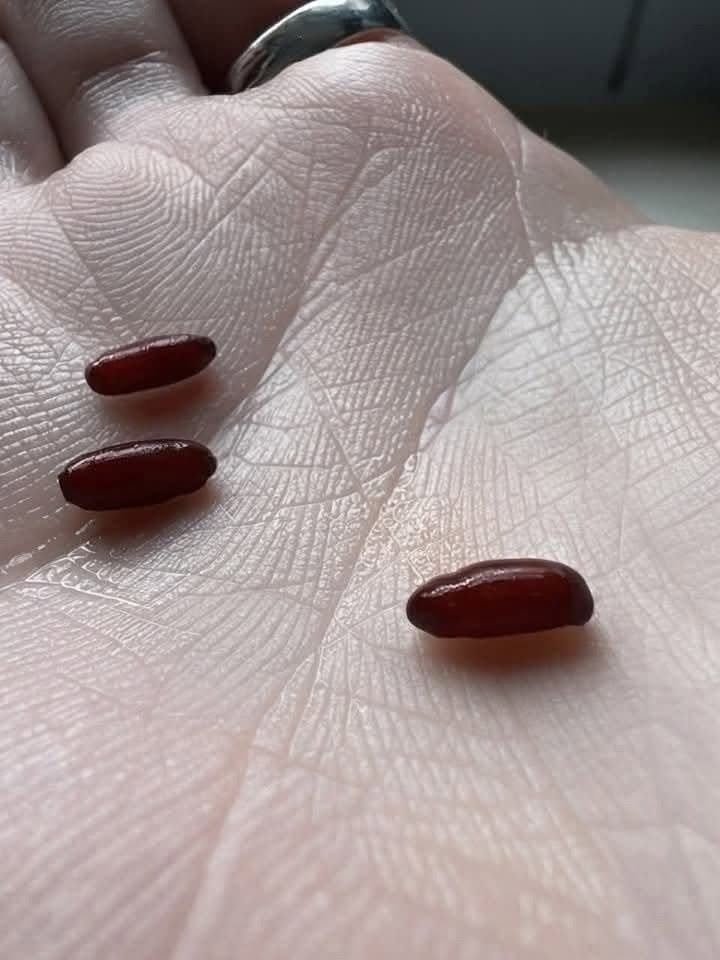
What Are These Tiny Glass Tubes Found Under a Bathroom Cabinet? Their Possible Uses Explained
Although the photograph provides several useful clues, additional information would make identification much easier.
Here are some details worth documenting without opening or damaging the objects.
Examine the Ends
Look at how each end is sealed.
Are the ends rounded, pointed, flattened, or irregular?
Do they have visible colored markings, or does the glass itself appear colored?
The manufacturing details may help distinguish pharmaceutical ampoules from other specialized glass components.
Look for Labels or Markings
Check whether the glass has any printed letters, numbers, logos, or identifying symbols.
Even a very small marking may provide an important clue.
Do not scrape or scratch the glass to reveal hidden writing.
Examine the Packaging
If the tubes were found inside a box, wrapper, or container, preserve it.
Original packaging may identify the manufacturer, product category, intended use, or approximate age.
Measure Their Dimensions
Record their approximate length and diameter.
The capacity and shape can help narrow down possible product types, although measurements alone will not establish the contents.
Photograph Each Object Separately
Take clear photographs of the tubes from different angles.
Include close-ups of the sealed ends and any visible markings.
Good photographs may help a pharmacist, conservator, laboratory specialist, or knowledgeable collector assess the objects.
Consider the Age of the Property
The approximate age of the bathroom and the renovation history may provide additional context.
If the house has undergone several renovations, the objects may have been left behind by a previous owner or contractor.
However, the age of the building does not necessarily indicate the age of the glass tubes.
11. Could They Have Collectible Value?
Some old glass ampoules and miniature containers are collected because of their historical, scientific, medical, or cosmetic significance.
Collectors may be interested in unusual manufacturing designs, discontinued packaging, vintage pharmaceutical containers, or objects associated with particular brands.
However, the presence of old glass alone does not mean that an item is valuable.
Condition, rarity, manufacturer, age, historical documentation, and original packaging all influence collectible interest.
A set of unidentified glass tubes without labels may have limited value, even if the objects are unusual.
If you suspect that the items are historically significant, consider asking an antique dealer, museum specialist, or collector who has experience with vintage glass containers.
Do not clean them aggressively or attempt to remove their contents before seeking an assessment. Preserving their original condition may be important for identification.
12. What Should You Do With Them?
If you discover similar objects during a renovation, the safest approach is to preserve them temporarily while arranging proper identification.
Keep children and pets away from the area.
Avoid handling the glass unnecessarily. If the containers are intact and not leaking, place them somewhere secure where they cannot be knocked over, using appropriate secondary containment without applying pressure to the glass.
Do not place them loose in a drawer or toolbox.
If they are damaged, leaking, or suspected to contain a hazardous substance, do not attempt to transfer the liquid into another container. Seek advice from an appropriate local hazardous-waste service.
If a professional identifies them as harmless, ordinary cosmetic samples or collectibles, you can then decide whether to keep or dispose of them appropriately.
The most important thing is not to let curiosity lead to breaking or opening an unidentified container.
Final Thoughts
Finding several tiny glass tubes beneath an old bathroom cabinet is certainly an unusual discovery.
The objects shown in the photograph appear to be sealed glass ampoules or specialized double-ended glass containers. They could be associated with fragrances, cosmetic products, pharmaceuticals, laboratory materials, or another product that used small sealed glass components.
Their location makes a personal-care product an interesting possibility, but there is not enough evidence to identify them confidently.
The liquid colors, unusual shape, and small size provide clues, but none of these features reveals exactly what the containers hold.
Until their identity is established, keep them sealed, avoid smelling or touching the contents, and protect them from accidental breakage.
Sometimes the most interesting discoveries during a renovation are not valuable antiques or hidden treasures. They are ordinary objects from another period whose original purpose has simply been forgotten.
A few additional photographs, visible markings, and information about the property’s history may eventually solve the mystery.