What Does a Small Hole or Mark Near Your Ear Mean? Understanding Preauricular Pits
A small hole or indentation near the front of the ear may look unusual, especially if you have never noticed it before. Some people are born with this tiny opening, while others discover it on a family member or child and wonder whether it indicates an underlying health problem.
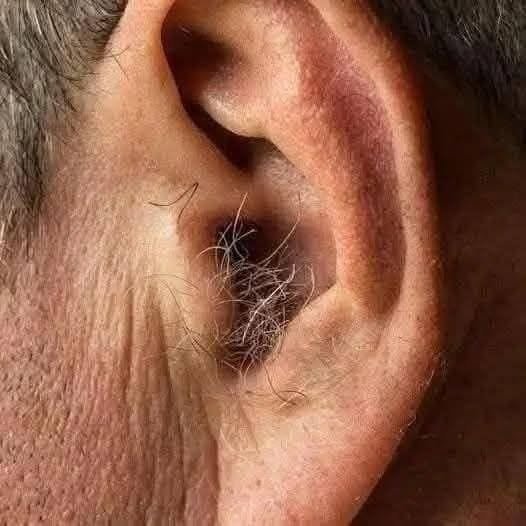
The mark shown in the image may be a preauricular pit, also called a preauricular sinus. This is a small opening in the skin near the point where the ear meets the face. It is usually a harmless congenital feature, meaning that it develops before birth.
Although the opening is often tiny and causes no symptoms, understanding what it is, why it develops, and when it needs medical attention can help you distinguish a harmless feature from a problem that requires treatment.
1. What Is a Preauricular Pit?
A preauricular pit is a small opening or indentation located near the front of the ear, usually where the upper part of the ear attaches to the face.
It may look like a tiny hole, a pinprick, or a shallow dimple in the skin.
Some people have one near only one ear, while others have openings on both sides.
The opening may be present from birth, but because it is so small, a person might not notice it until later in childhood or adulthood.
In most cases, a preauricular pit is harmless and does not affect hearing.
Why Does It Develop?
The external ear develops during pregnancy through a complex process involving several tissues.
A preauricular pit is generally believed to result from differences in how these tissues develop and join together during early fetal development.
The exact developmental process is not fully understood in every case.
These openings can occur in people with no other health problems and are sometimes found in several members of the same family.
Having one does not mean that a person did anything wrong during pregnancy or that the mark resulted from poor hygiene.
2. Is This Ear Mark Dangerous?
In most cases, no.
An uncomplicated preauricular pit is usually a benign anatomical variation. Many people live their entire lives with one without experiencing any problems.
The main concern is that the small opening may occasionally become infected.
Because some pits connect to a narrow channel beneath the skin, bacteria and skin debris can sometimes accumulate inside it.
This may lead to inflammation, infection, or the formation of a small abscess.
Signs of Possible Infection
Watch for the following changes around the opening:
Redness or swelling.
Pain or tenderness.
Warmth around the affected area.
Fluid or pus coming from the opening.
An unpleasant smell associated with discharge.
A painful lump developing near the ear.
These symptoms do not mean that the opening is inherently dangerous, but they should be assessed by a healthcare professional.
If the area becomes increasingly painful, develops significant swelling, or is accompanied by fever, seek prompt medical care.
Do not squeeze the opening or attempt to drain it yourself.