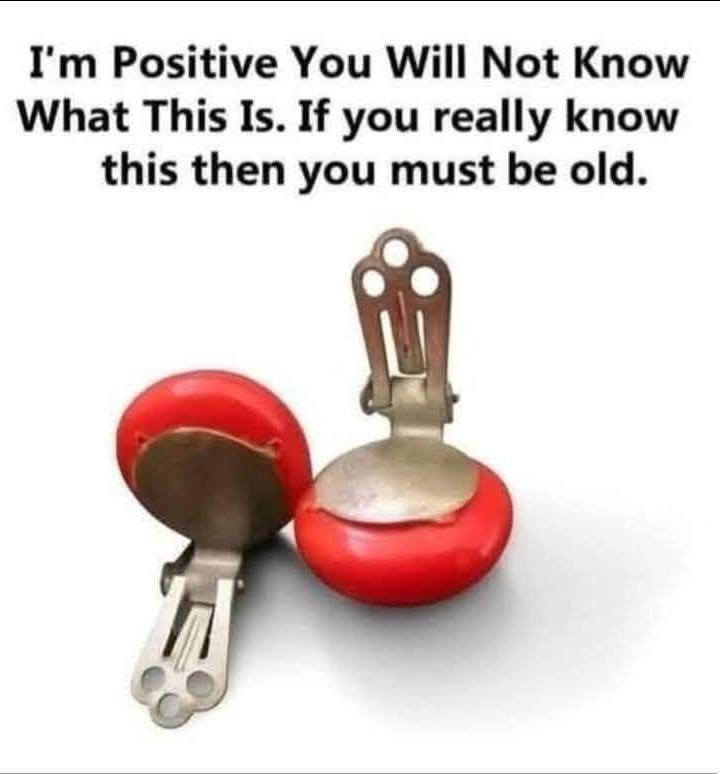
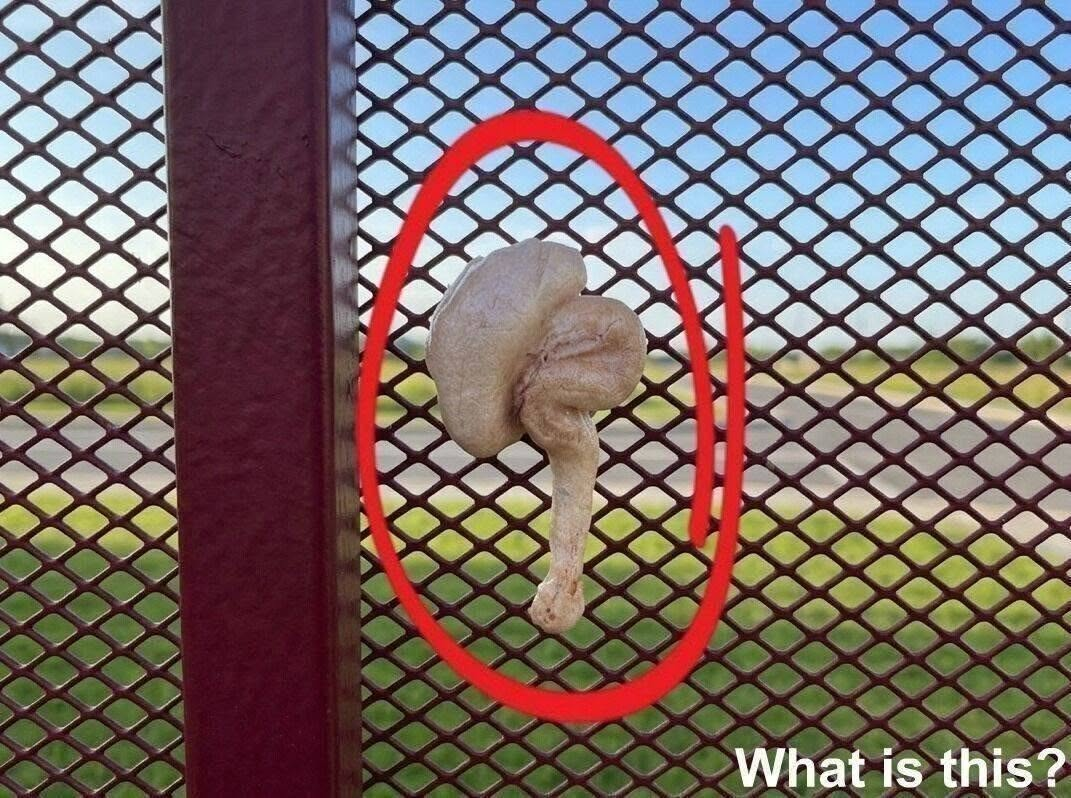
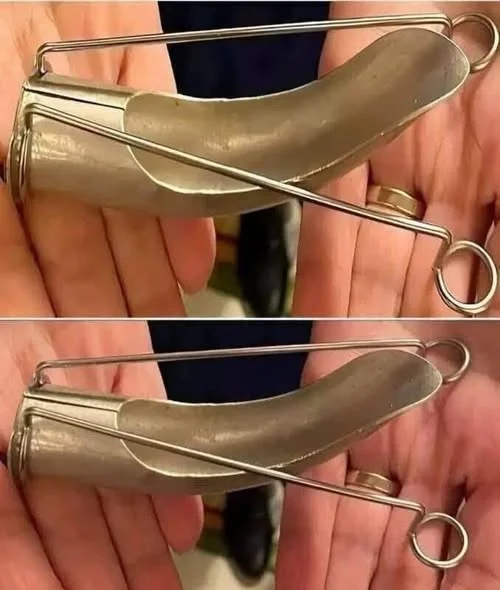
While tidying up our grandparents’ house, my son found this in a drawer. What is it? I’ve never seen anything like it.
One possible historical comparison is a sugar-cutting instrument.
Before granulated sugar became widely available and inexpensive, households frequently purchased sugar in large solid loaves or cones.
These pieces were hard and had to be broken into smaller portions before they could be used in tea, coffee, and cooking.
Specialized sugar nippers were developed to make this task easier.
Some traditional sugar-cutting instruments used scissor-like handles and strong metal jaws to apply pressure to hard sugar.
The Smithsonian’s National Museum of American History, for example, documents nineteenth-century sugar nippers designed specifically for cutting and breaking apart lump sugar.
However, the photographed object has a distinctive circular arrangement of teeth that does not conclusively match the documented example.
Therefore, it would be premature to identify it as a sugar nipper without examining the original object more closely.
## 4. Could It Be a Specialized Nutcracker?
Another possibility worth considering is a specialized nut-cracking or gripping tool.
Traditional nutcrackers came in many shapes and sizes. Some resembled pliers, while others used hinged metal arms to apply pressure to hard shells.
The principle was simple: place a nut between the working surfaces and squeeze the handles.
The metal teeth on some gripping tools help prevent round objects from slipping while pressure is applied.
Nevertheless, the shape of the pictured instrument is unusual compared with conventional nutcrackers.
Its circular opening may have been designed for a specific object rather than nuts of different sizes.
Without additional markings or a demonstration of its mechanism, this explanation remains speculative.
## 5. Why Did Older Household Tools Have Such Unusual Designs?
One reason antique household objects can be difficult to identify is that older manufacturers often created highly specialized tools for tasks that modern families rarely perform.
Before electric appliances and mass-produced kitchen accessories became commonplace, many everyday activities required separate instruments.
A household might have contained different tools for:
Some objects were designed to perform only one particular task.
Over time, these specialized tools disappeared from ordinary use. Younger generations became familiar with modern replacements but never learned the original names or functions of the older versions.
This is why a simple discovery in an old drawer can become such an interesting historical puzzle.
## 6. How Can You Identify an Unknown Antique Tool?
If you discover something similar in an old family home, there are several ways to investigate its identity.
**Look for markings or inscriptions.**
Examine the metal carefully for letters, numbers, manufacturer names, or patent markings.
Even a small inscription can help establish where and when an object was manufactured.
**Check how the mechanism moves.**
Carefully examine the hinge and handles without putting your fingers near the teeth.
Determine whether squeezing the handles makes the teeth meet, overlap, or simply close around an object.
The way the two halves move can provide valuable information about the tool’s intended function.
**Look at the material.**
Older household instruments were commonly manufactured from iron, steel, brass, and other metals.
The material, manufacturing technique, and decorative details can help narrow down the object’s approximate age.
**Compare it with museum collections.**
Historical museums maintain collections of household tools, kitchen equipment, agricultural instruments, and specialized implements.
Comparing the shape and construction of an unidentified object with documented examples can sometimes reveal its original purpose.
## 7. Why You Should Not Throw Away Unusual Objects Found in Old Houses
When families inherit a house or begin clearing out an older relative’s belongings, unusual objects are often among the first things to be discarded.
However, some of these items may have genuine historical or collectible value.
An old metal instrument might represent a forgotten household tradition, a discontinued manufacturing technique, or a specialized profession.
Even when an object has little monetary value, it can still be meaningful as part of a family’s history.
Before throwing away an unfamiliar antique, consider photographing it from several angles and researching its markings.
If it appears particularly old or unusual, an antique specialist or museum curator may be able to help identify it.
Avoid polishing or aggressively cleaning old metal until its material and historical significance are better understood. Original finishes and surface details can sometimes help establish an object’s age.