12 Side Effects of Amlodipine You Should Never Ignore
Some people notice that their weight changes after starting medication, but an increase on the scale does not necessarily mean that the person has gained body fat.
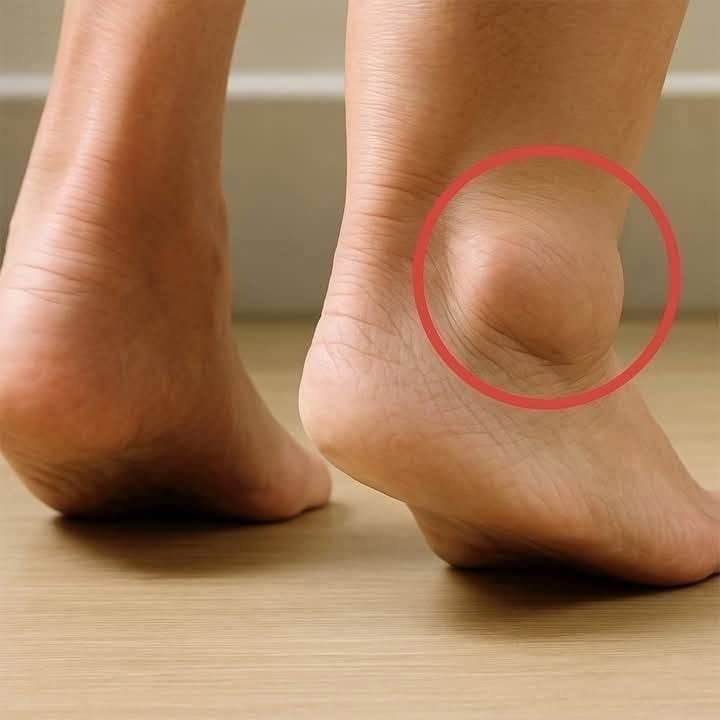
When someone develops swelling in the ankles or legs, some of the weight increase may be related to fluid.
Rapid unexplained weight gain combined with significant swelling should be discussed with a healthcare professional.
At the same time, weight changes can have many causes, including diet, activity level, hormonal changes, fluid balance, and other medications.
What Should You Do If You Have Side Effects?
If you experience a mild symptom after starting amlodipine, do not immediately stop taking the medication.
Instead, make a note of:
When the symptom began
How often it occurs
How severe it is
Whether it happens after taking the medication
Whether anything makes it better or worse
Whether you have started any other medication or supplement
This information can help your doctor determine whether the symptom is likely related to amlodipine.
If the side effect is severe, rapidly worsening, or accompanied by serious symptoms, seek medical attention rather than waiting for a routine appointment.
Never Change the Dose on Your Own
One of the biggest mistakes people can make with blood pressure medication is changing the dose without medical advice.
If you believe your blood pressure has become too low, or if you are experiencing side effects, speak with your healthcare professional.
Your doctor may decide that the dose should be changed, that another medication should be considered, or that the symptom has another cause.
Stopping treatment without guidance can allow blood pressure to rise again and may interfere with the treatment of an underlying cardiovascular condition.
Amlodipine Is Not Dangerous for Everyone
A long list of possible side effects can make any medication look frightening.
But it is important to understand that a side effect listed for a medication does not mean that everyone taking it will experience that problem.
Millions of people take blood pressure medicines successfully, and controlling high blood pressure can be extremely important for reducing long-term cardiovascular risk.
The correct approach is to understand the possible symptoms without becoming unnecessarily afraid of the medication.
If you are taking amlodipine and feel well, continue taking it exactly as prescribed unless your healthcare professional tells you otherwise.
When to Seek Emergency Help
Certain symptoms require immediate attention regardless of whether you take amlodipine.
Seek emergency medical help if you experience:
Severe or worsening chest pain
Severe difficulty breathing
Fainting
Sudden weakness on one side of the body
Sudden difficulty speaking
Sudden confusion
Severe swelling of the face, lips, tongue, or throat
Difficulty breathing or swallowing
A severe allergic reaction
A very rapid or irregular heartbeat accompanied by serious symptoms
These symptoms can indicate serious cardiovascular, neurological, or allergic problems.
Do not assume they are simply a normal side effect of your medication.
Final Thoughts
Amlodipine is an important medication used to manage high blood pressure and certain types of angina. Most people who take it do not experience every possible side effect, and many people tolerate it well.
The effects worth knowing about include ankle and leg swelling, dizziness, headaches, flushing, tiredness, nausea, palpitations, drowsiness, gum changes, muscle-related symptoms, fainting, and worsening chest pain.
Some of these effects are relatively mild, while others require prompt medical attention depending on their severity and the symptoms that occur alongside them.
The most important thing is not to panic if you notice a possible side effect. At the same time, do not ignore significant or unusual symptoms.
If your ankles become swollen, your blood pressure seems too low, you develop persistent dizziness, or you notice another new symptom, contact your doctor or pharmacist for advice.
And if you experience severe chest pain, difficulty breathing, fainting, severe allergic symptoms, or sudden neurological changes, seek emergency medical attention.
Most importantly, never stop or change your prescribed amlodipine dose simply because of something you read online. Your treatment should be adjusted based on your individual blood pressure, medical history, other medications, and the symptoms you are experiencing.
Understanding your medication is a good thing. The goal is not to fear amlodipine, but to recognize which symptoms are relatively common, which ones deserve a medical discussion, and which ones require urgent attention.