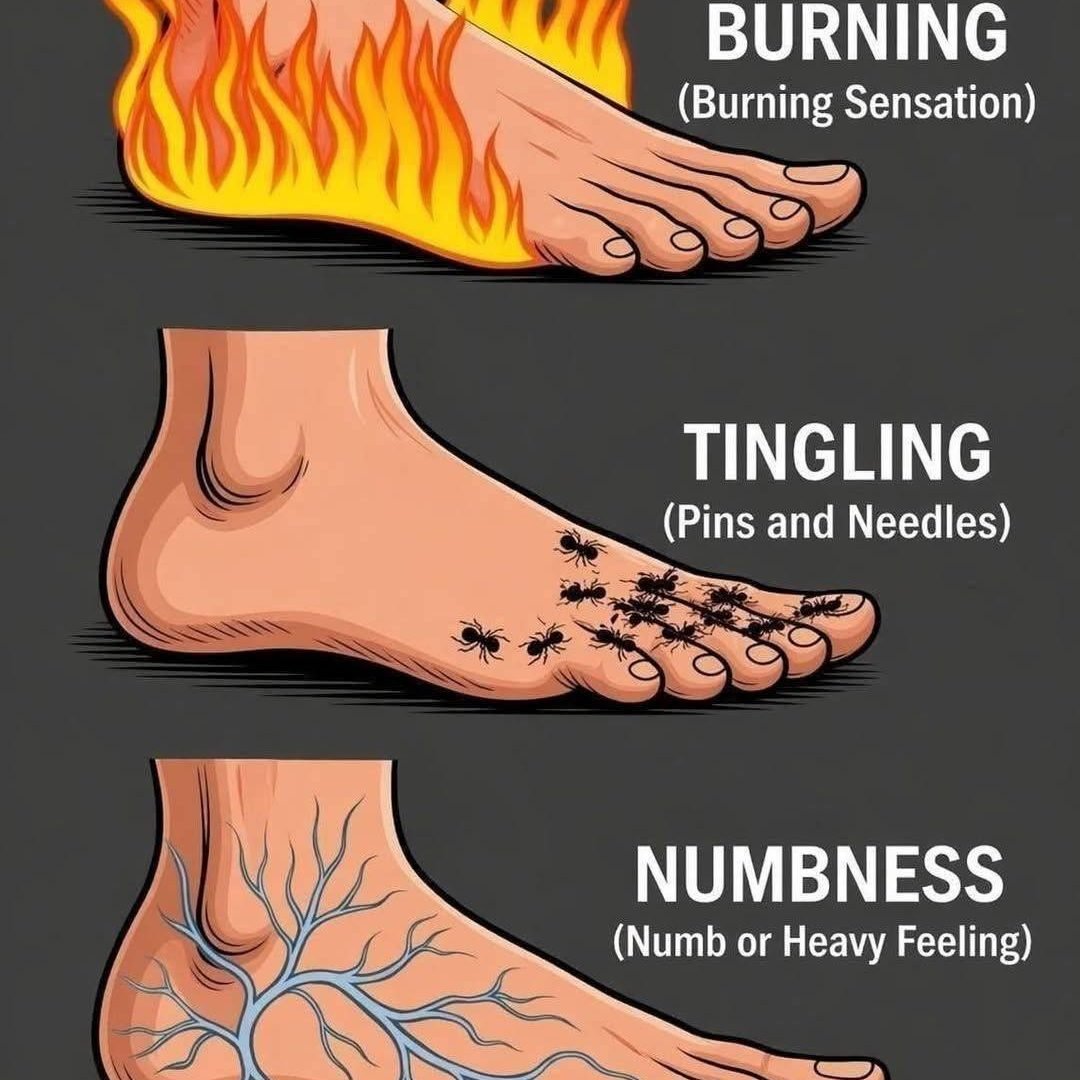
7 Signs That May Indicate Your Heart Needs Urgent Attention
Your heart works continuously, pumping blood and oxygen throughout your body every minute of every day. Because of this, problems involving the heart and circulation can sometimes produce warning signs that shouldn’t be ignored.
Some symptoms are obvious, such as severe chest pain. Others can be surprisingly subtle, such as unusual fatigue, shortness of breath, or swelling in the legs.
Importantly, having one of these symptoms does not automatically mean that your heart is failing or that a heart attack is occurring. Many symptoms can have several different causes. However, certain patterns deserve prompt medical attention, particularly when symptoms are sudden, severe, or new.
Here are seven warning signs to know.
1. Chest Pressure, Tightness, or Pain
Chest discomfort is one of the most important symptoms to take seriously.
Heart-related chest discomfort isn’t always described as sharp pain. Some people experience:
Pressure
Tightness
Squeezing
Heaviness
Burning
A feeling that something is sitting on the chest
The discomfort may occur in the center or left side of the chest and can sometimes spread toward the shoulder, arm, back, neck, jaw, or upper abdomen.
Some people experience symptoms during physical activity or emotional stress that improve with rest. Others can develop symptoms suddenly, even while resting.
If chest discomfort is severe, persistent, or accompanied by shortness of breath, sweating, nausea, dizziness, or weakness, it should be treated as an emergency.
Don’t try to determine the cause yourself.
2. Unexplained Shortness of Breath
Feeling out of breath after intense exercise can be normal.
The concern is new or unexplained breathlessness, particularly when it happens during activities that previously felt easy.
Some people may notice that they become unusually short of breath while:
Walking a short distance
Climbing a few stairs
Doing household chores
Lying flat
Sleeping
Heart problems can interfere with the body’s ability to circulate blood efficiently. When this happens, fluid can sometimes accumulate in the lungs, making breathing more difficult.
Shortness of breath can also result from lung conditions, anemia, infections, anxiety, and other problems, so it shouldn’t automatically be blamed on the heart.
However, sudden or severe difficulty breathing requires immediate medical attention.
3. Swelling in the Legs, Ankles, or Feet
Swelling in the lower legs is another symptom that deserves attention when it is persistent or unexplained.
When the heart isn’t pumping effectively, the body can retain fluid. This may contribute to swelling around the ankles, feet, or lower legs.
You might notice that:
Your shoes suddenly feel tighter.
Your socks leave deeper marks around your ankles.
Your ankles look puffy at the end of the day.
Both legs appear more swollen than usual.
The swelling repeatedly returns.
There are many other causes of swelling, including certain medications, kidney problems, liver disease, prolonged standing, venous problems, and other conditions.
Sudden swelling of one leg, especially when accompanied by pain, warmth, or redness, can have a different and potentially urgent cause and should be evaluated promptly.
4. Unusual or Extreme Fatigue
Everyone gets tired sometimes.
But persistent fatigue that is unusual for you can occasionally be a warning sign of an underlying medical problem.
Some people with heart problems don’t experience dramatic chest pain. Instead, they notice that ordinary activities suddenly require much more effort.