Soak Berries in Salt Water: Why Do Tiny Bugs Sometimes Come Out?
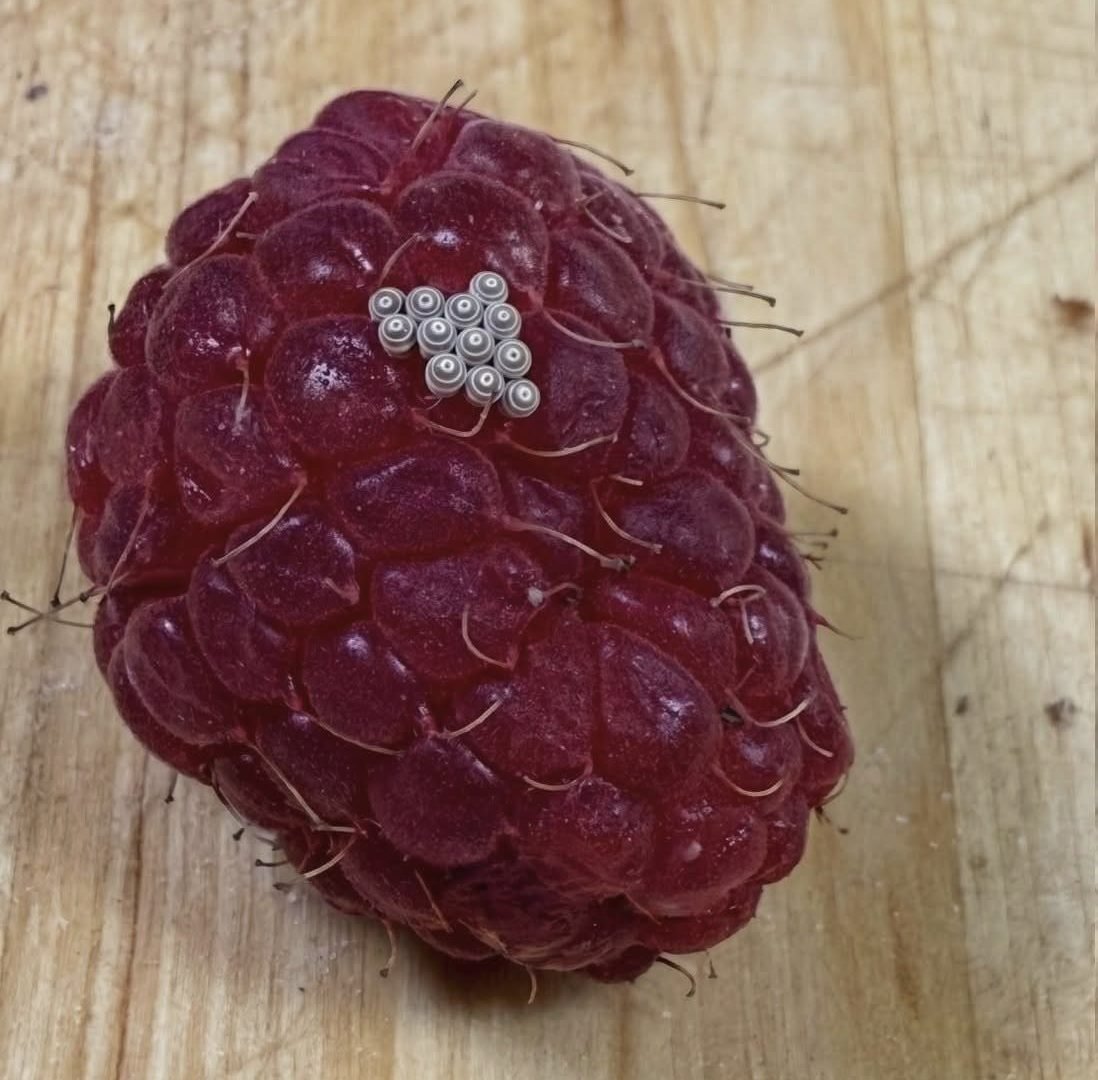
Seeing tiny white, worm-like creatures moving around your strawberries can be extremely unpleasant. A bowl of fresh berries can look perfectly normal at first, yet after being placed in water, especially salty water, small pale organisms may sometimes appear to emerge from the fruit.
This has led to a popular question: Are these really bugs living inside strawberries, and should you throw the fruit away?
The answer is more complicated than many viral posts suggest.
Small insects and larvae can occasionally be associated with fresh produce. Fruits are grown outdoors, where insects naturally live, and some pests lay eggs on or near fruit. However, dramatic photographs circulating online can exaggerate the situation, and an image alone cannot establish exactly what organisms are present.
The good news is that there are sensible ways to handle fresh berries and reduce the chance of consuming unwanted insects or contaminated produce.
Why Can Tiny Organisms Appear on Berries?
Fresh fruit grows in an environment where insects, birds, soil organisms, and other living things are present.
Strawberries are particularly exposed because they grow close to the ground and have a soft, textured surface. Their numerous seeds and small surface depressions can also provide places where tiny insects or organic debris may remain.
Some insects can lay eggs on fruit, while others may be attracted to damaged or overripe berries.
If eggs or larvae are present, washing, soaking, or manipulating the fruit can sometimes make them more noticeable.
This does not mean that every strawberry contains worms.
It also does not mean that eating a strawberry automatically means consuming dangerous parasites.
The organisms found on produce can vary enormously, and many are simply insects associated with agricultural crops.
Why Does Salt Water Make Them Move?
One reason the viral “salt water strawberry” trend became so popular is that people noticed tiny organisms appearing after soaking berries in salty water.
Salt changes the conditions around small organisms and can cause some insects or larvae to move.
The movement makes them easier to see.
However, it is important not to assume that every white object or moving particle in a bowl of water is a dangerous parasite.
Some things in the water may be:
Insect larvae
Small insects
Plant material
Organic debris
Damaged fruit tissue
Air bubbles
Other naturally occurring material
A photograph or short video cannot reliably identify the organism.
Proper identification requires more information than appearance alone.
Does Every Strawberry Need to Be Soaked in Salt Water?
No.
Salt-water soaking is not a required step for safely eating strawberries.
Fresh produce should be handled using appropriate food-safety practices, but soaking berries in concentrated salt water is not a guarantee that every microorganism, insect, or contaminant will be removed.
In fact, soaking delicate berries for too long can affect their texture and quality.
A simple approach is usually better:
Inspect the berries, remove damaged fruit, rinse them properly under clean running water, and eat them promptly or store them appropriately.
Should You Throw the Strawberries Away?
Not necessarily.
If you see a few tiny organisms after washing or soaking berries, that does not automatically mean the entire package is dangerous.
However, there are situations where discarding the fruit is the sensible choice.
Throw berries away if they are:
Covered in visible mold
Strongly fermented or rotten
Extremely soft and leaking
Bad-smelling
Heavily infested
Contaminated with an unknown chemical
Otherwise clearly spoiled
If only a small number of insects are discovered on otherwise fresh fruit, you can remove the affected berries and thoroughly rinse the remaining produce.
But if a large proportion of the container appears infested or spoiled, discarding the entire package may be the simplest option.