Does Anyone Know What Kind of Insect This Is? It May Be a Tick
The creature shown in the photograph is very likely a tick, rather than an ordinary insect.
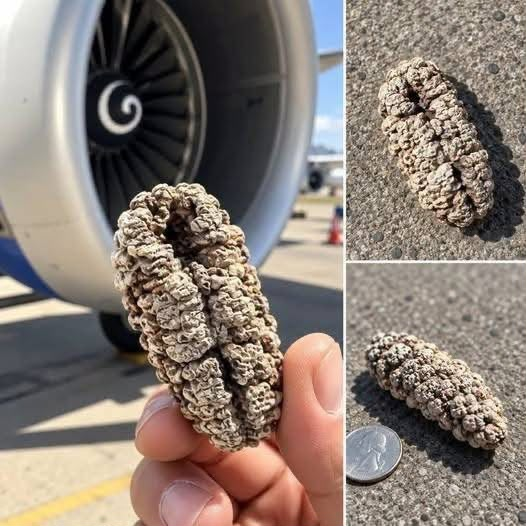
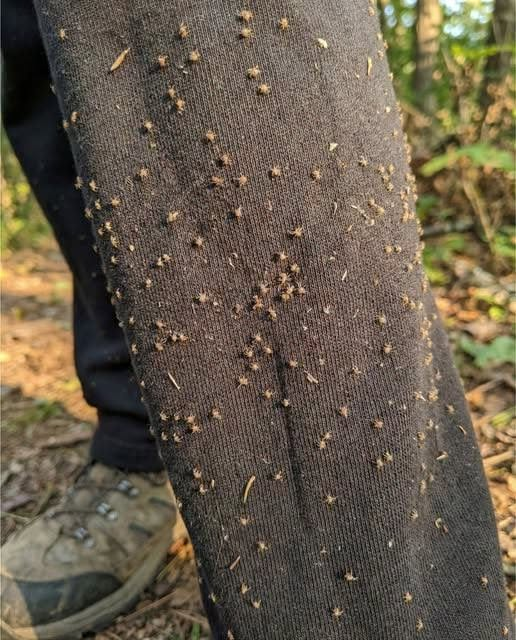
The image appears to show a tick that has attached itself to the scalp and has become enlarged after feeding. The rounded, swollen body is particularly noticeable. The second photograph appears to show the attachment site on the scalp.
Ticks are arachnids, not insects. They are related to spiders and mites and have eight legs as adults.
If you find one attached to a child’s scalp, the most important thing is not to panic and not to crush or burn it. It should be removed carefully and promptly.
Why Does the Tick Look So Large?
Ticks change dramatically in appearance after feeding.
A tick that has not recently fed can be relatively small and flat. After attaching to an animal or person and feeding on blood, its body can expand considerably.
This is why someone may initially think they’ve found a strange beetle or other insect.
The photograph appears to show a tick with a swollen abdomen, suggesting that it has been feeding.
The size alone, however, cannot tell you exactly how long it has been attached or whether it transmitted an infection.
Ticks Don’t Usually Jump or Fly
Unlike fleas, ticks don’t normally jump through the air.
They commonly reach people by:
crawling through vegetation
attaching to clothing
being picked up from grass or leaves
crawling onto animals
transferring from pets
moving across exposed skin
A child playing outdoors can therefore pick up a tick without realizing it.
Ticks are particularly easy to miss when they attach to places such as the scalp, behind the ears, the neck, or other areas covered by hair.
Why Is the Scalp an Important Place to Check?
Ticks can attach almost anywhere, but a child’s scalp can make them difficult to notice.
Hair can hide the tick completely.
Parents may notice the creature only when:
washing the child’s hair
brushing the hair
scratching the scalp
feeling a small bump
noticing redness
finding the tick while checking after outdoor activity
After spending time in areas where ticks may occur, it’s useful to check the scalp carefully, particularly around the hairline and behind the ears.
A tick can also attach to other hidden areas of the body.
What Should You Do If You Find a Tick?
The safest general approach is to remove it as soon as possible using fine-tipped tweezers.
Step 1: Get Good Lighting
Make sure you can clearly see the tick.
If it’s attached to a child’s scalp, another adult can help hold the hair away from the area.
Step 2: Use Fine-Tipped Tweezers
Grasp the tick as close to the skin as possible.
Try to grab the tick near its mouthparts rather than squeezing the swollen body.
Step 3: Pull Straight Up
Use steady, even pressure and pull upward.
Don’t twist aggressively or jerk the tick away.
The goal is to remove the tick as completely as possible.
Step 4: Clean the Area
After removal, clean the bite area and your hands with soap and water or an appropriate antiseptic.
Step 5: Dispose of the Tick Safely
Don’t crush it with your bare fingers.
You can place it in a sealed container or bag, or dispose of it according to local guidance.
If there is a reason to preserve the tick for identification, place it in a secure container rather than throwing it away.