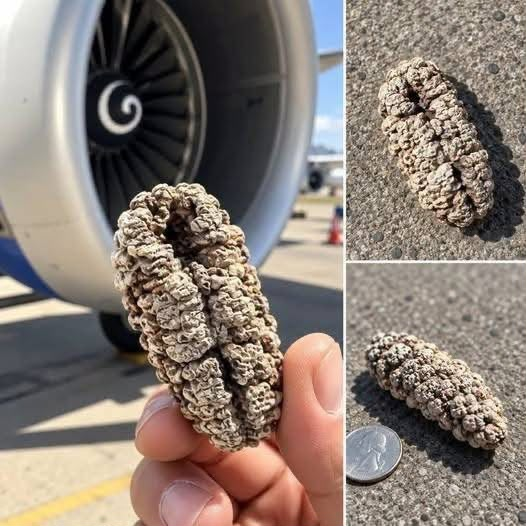
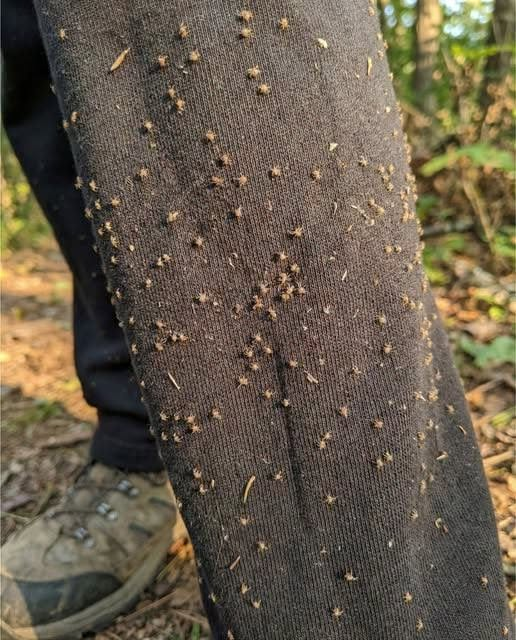
Does Anyone Know What Kind of Insect This Is? It May Be a Tick
Several popular tick-removal tricks are not recommended.
Don’t cover the tick with:
petroleum jelly
oil
nail polish
alcohol while it is attached
gasoline
other household chemicals
Don’t burn it with a match or heated object.
Don’t deliberately irritate or squeeze the tick.
These approaches can make removal more difficult and may increase the chance of leaving mouthparts embedded in the skin.
A pair of appropriate tweezers and steady removal is generally the simplest approach.
What If Part of the Tick Stays in the Skin?
Sometimes the tick’s mouthparts can break during removal.
If you can easily remove a remaining fragment with clean tweezers, it may be possible to do so.
If it cannot be removed easily, don’t repeatedly dig into the child’s skin trying to get it out.
The remaining material may cause local irritation, and the skin can be monitored.
If the area becomes increasingly painful, swollen, red, warm, or produces discharge, medical advice should be sought.
Does Every Tick Carry Disease?
No.
This is an important point.
Finding a tick does not automatically mean that a child has been infected with a disease.
Ticks can carry different microorganisms depending on their species and geographic location.
The risk also depends on factors such as:
the tick species
the location where the exposure occurred
whether the tick was carrying a pathogen
how long it was attached
whether transmission is possible for that particular pathogen
Therefore, it isn’t accurate to tell someone that a tick bite automatically means Lyme disease or another infection.
What About Lyme Disease?
Lyme disease is one of the best-known tick-borne infections.
It is caused by certain species of Borrelia bacteria and is transmitted by specific ticks in regions where those ticks and bacteria occur.
The risk is therefore highly dependent on geography and tick species.
Not every tick can transmit Lyme disease.
A tick found in one country or region may pose a very different risk from a tick found somewhere else.
This is one reason identifying the tick and knowing where the exposure occurred can be useful.
What Symptoms Should Parents Watch For?
After a tick bite, monitor the child for unusual symptoms.
Possible symptoms of a tick-borne infection can include:
fever
unusual tiredness
headache
muscle aches
joint aches
swollen lymph nodes
increasing redness around the bite
a spreading rash
other unexplained illness
A small amount of redness immediately around the bite can simply be a local reaction to the bite itself.
What is more concerning is a rash or redness that continues expanding or is accompanied by other symptoms.
What Does a Lyme Disease Rash Look Like?
Many people know about the classic “bull’s-eye” rash associated with Lyme disease.
However, not every Lyme-related rash necessarily looks like a perfect bull’s-eye.
A spreading red area can have different appearances.
Therefore, don’t rely entirely on internet photographs to decide whether a rash is significant.
If a child develops a spreading rash or becomes ill after a tick bite, contact a healthcare professional and mention the tick exposure.
Should You Wait for Symptoms?
No.
If a tick has been found attached, it is better to remove it promptly rather than waiting for symptoms.
Many tick-borne illnesses do not cause immediate symptoms.
Removing the tick reduces the opportunity for continued feeding and, depending on the pathogen and tick species, can reduce the chance of transmission.