These Are the Consequences of Sleeping With Your Mouth Open: What Happens to Your Tongue and Oral Health?
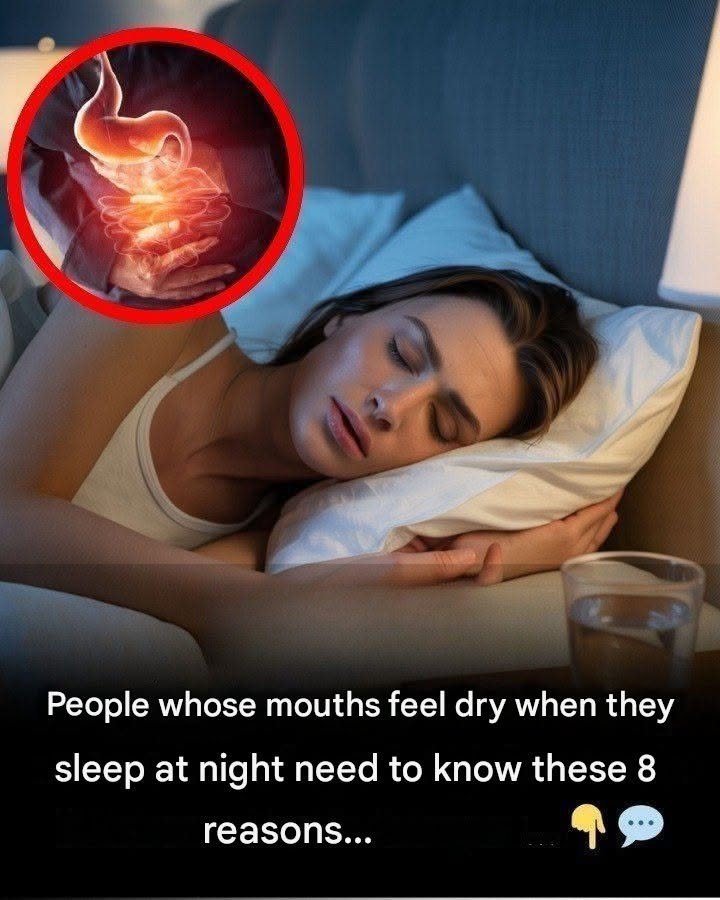
Have you ever woken up in the morning with an unusually dry mouth, a sticky tongue, bad breath, or an unpleasant taste that seems impossible to get rid of? You might assume that you simply need a glass of water or a quick brushing of your teeth. However, these symptoms can sometimes be associated with something that happens while you sleep: breathing through your mouth.
Sleeping with your mouth open is relatively common. Some people do it occasionally because of nasal congestion, allergies, a cold, or sleeping position. Others breathe through their mouths regularly without even realizing it.
Although occasional mouth breathing is not necessarily dangerous, doing it frequently can contribute to several oral health problems.
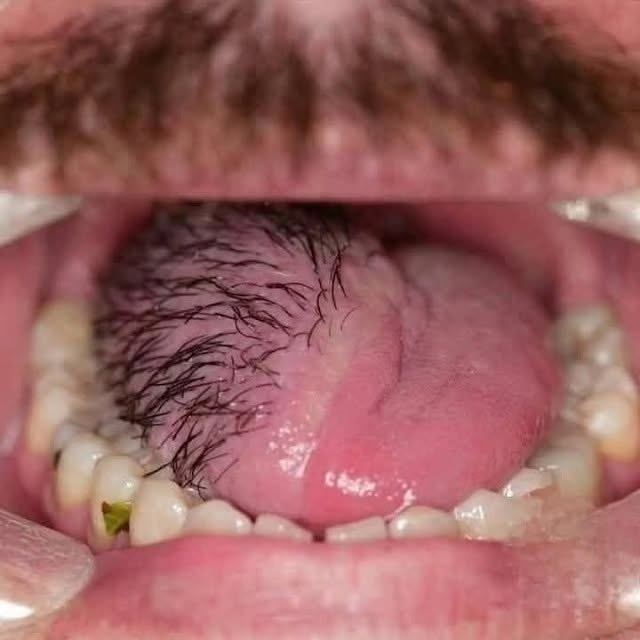
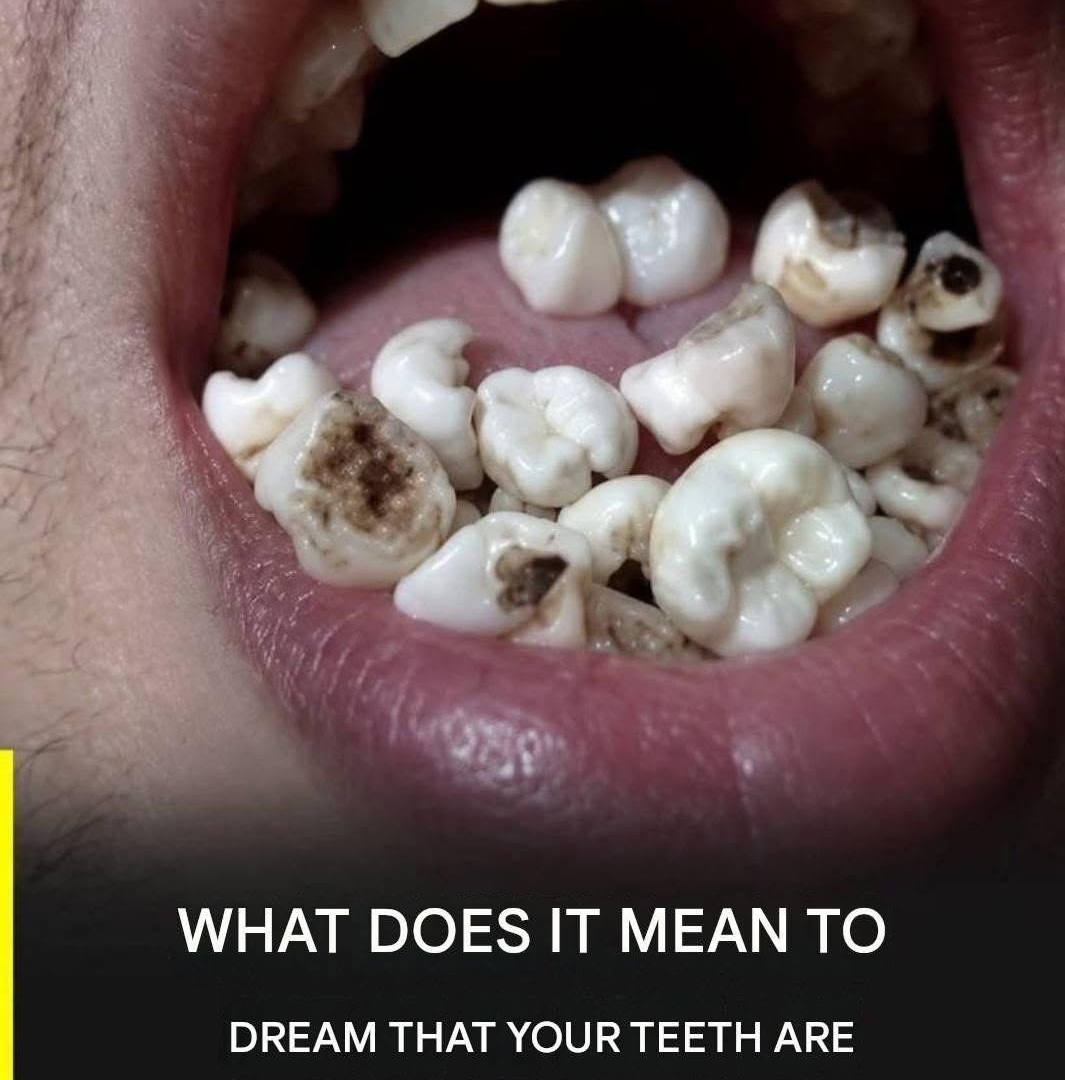
An unusual photograph circulating online shows a tongue with dark, hair-like structures on its surface. Images like this can be alarming, especially when accompanied by headlines suggesting that sleeping with your mouth open causes strange changes inside the mouth.
But what is really happening?
One possible explanation for the appearance in the photograph is a condition known as black hairy tongue. Despite its frightening name, this condition is generally harmless and does not involve actual hair growing from the tongue.
Understanding the difference between ordinary mouth breathing, dry mouth, and tongue conditions can help people protect their oral health and recognize when professional advice is necessary.
1. What Happens When You Sleep With Your Mouth Open?
Your nose plays an important role in normal breathing.
It filters, warms, and humidifies the air before it reaches your respiratory system. When you breathe through your mouth instead, you bypass some of these natural functions.
During sleep, breathing through an open mouth can allow moisture to evaporate more quickly from the tissues inside your mouth.
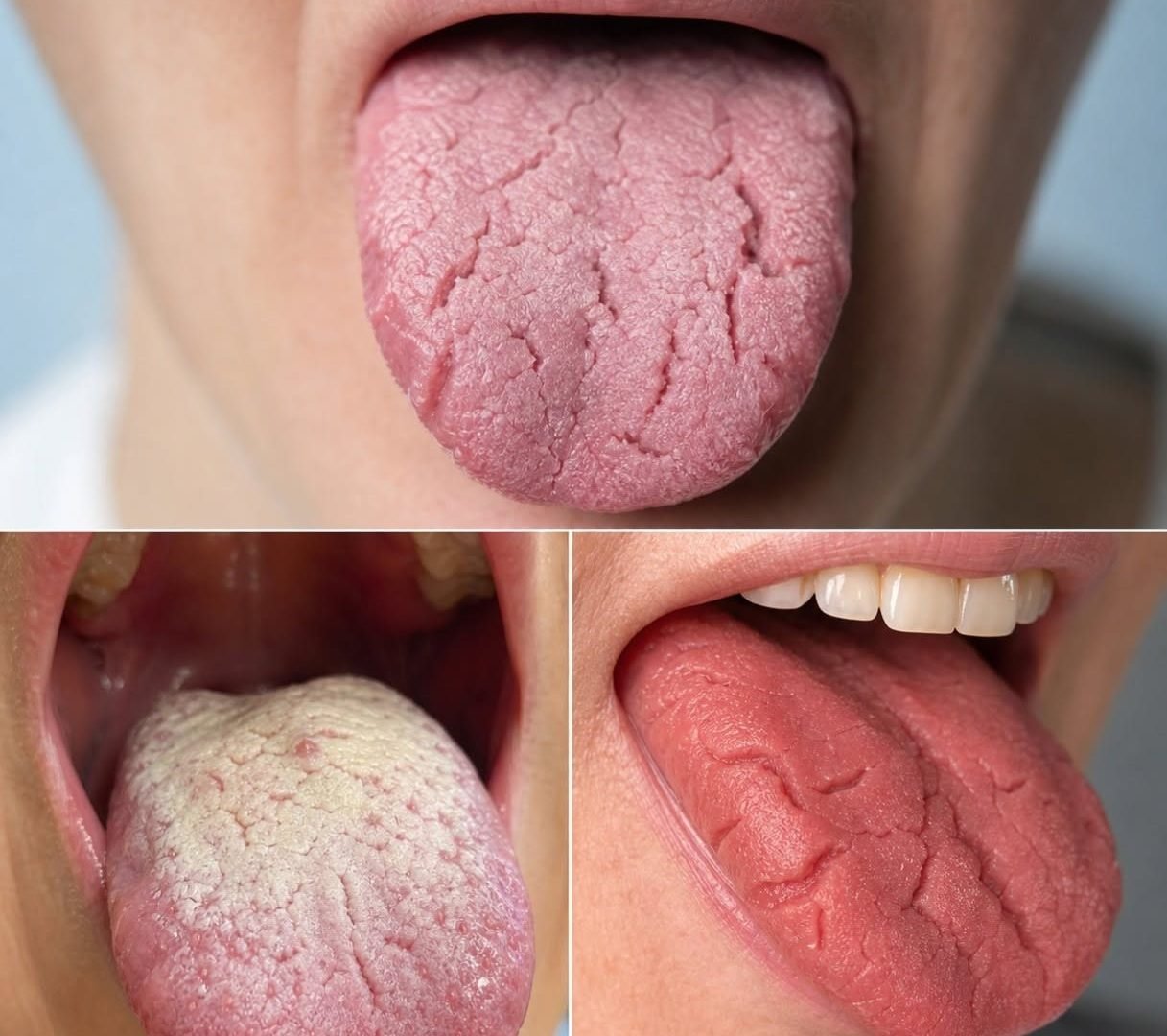
This can lead to a condition called xerostomia, commonly known as dry mouth.
Saliva is essential for maintaining a healthy oral environment. It helps wash away food particles, neutralize acids, protect tooth enamel, and control the growth of microorganisms.
When saliva production is insufficient or moisture evaporates too quickly, the mouth becomes more vulnerable to certain problems.
Common symptoms include:
Waking up with a dry or sticky mouth.
Feeling unusually thirsty in the morning.
Having a dry or rough-feeling tongue.
Experiencing bad breath.
Feeling uncomfortable when swallowing.
Developing a persistent unpleasant taste.
Noticing increased sensitivity inside the mouth.
These symptoms can be temporary, but persistent dry mouth deserves attention.
2. Can Sleeping With Your Mouth Open Cause a Hairy Tongue?
This is an important question because of the unusual appearance shown in the photograph.
The condition known as black hairy tongue is characterized by an abnormal accumulation of material on the surface of the tongue.
The tongue naturally contains thousands of tiny projections called filiform papillae.
These structures help provide friction when moving food around the mouth.
Normally, old surface cells are shed regularly, preventing excessive accumulation.
However, when this natural shedding process is disrupted, the papillae can become unusually elongated.
They may trap food particles, bacteria, dead cells, and pigments from foods or drinks.
The result can be a surface that looks furry, hairy, or covered with dark strands.
Although the condition is commonly called black hairy tongue, the discoloration is not always black.
The tongue can sometimes appear:
Brown.
Yellow.
Green.
Dark gray.
Almost black.
Importantly, sleeping with your mouth open is not an established direct cause of black hairy tongue.
However, chronic dry mouth may contribute to an unhealthy oral environment and can be one factor worth discussing when evaluating oral symptoms.
3. What Causes Black Hairy Tongue?
Several factors can contribute to the development of black hairy tongue.
Understanding these causes is more useful than assuming that the condition results from one particular sleeping habit.
Poor Oral Hygiene
One of the factors associated with black hairy tongue is inadequate cleaning of the tongue.
When the tongue is not cleaned regularly, dead cells, food debris, and microorganisms can accumulate on its surface.
Over time, this may contribute to the characteristic hairy appearance.
Brushing your teeth twice daily and gently cleaning your tongue can help maintain oral hygiene.
Tobacco Use
Smoking and other forms of tobacco use can contribute to changes in the oral environment.
Tobacco may encourage discoloration and can increase the likelihood of certain oral health problems.
Quitting tobacco is beneficial for both oral and general health.
Certain Medications
Some medications, particularly certain antibiotics, have been associated with black hairy tongue.
They may change the balance of microorganisms inside the mouth or affect the normal process of cell shedding.
If you notice unusual tongue changes after starting a medication, consult your healthcare professional.
Do not stop prescribed medication without medical advice.
Dry Mouth
Reduced saliva or excessive dryness can contribute to an environment in which debris accumulates more easily.
Dry mouth may result from:
Sleeping with the mouth open.
Nasal congestion.
Certain medications.
Dehydration.
Some medical conditions.
Reduced saliva production.
Although dry mouth does not automatically cause black hairy tongue, it can be an important contributing factor in some individuals.
Excessive Coffee or Tea Consumption
Coffee and tea contain pigments that can stain the tongue.
When combined with inadequate oral hygiene, these beverages may contribute to discoloration.
This does not mean you must stop drinking coffee or tea.
Maintaining good oral hygiene and drinking sufficient water can help reduce staining.
4. Five Possible Consequences of Regular Mouth Breathing During Sleep