Can One Simple Ingredient Help With Bone Pain, Diabetes, Anxiety, Depression, and Constipation? What You Should Know
Bone pain can develop for many reasons, including injuries, arthritis, osteoporosis, infections, inflammation, and certain metabolic conditions.
The appropriate treatment depends on the underlying cause.
For example, a person with a vitamin D deficiency may need medical evaluation and, if appropriate, supplementation. Someone with osteoporosis may benefit from specific medications, adequate calcium and vitamin D, suitable exercise, and measures to prevent falls.
A person experiencing pain because of an injury may need rest, physical therapy, or other treatment.
Salt does not address all these causes.
Sodium is necessary for normal body function, but consuming extra salt has not been shown to repair damaged bones or eliminate persistent bone pain. Excessive sodium intake may also increase calcium loss in urine, although the relationship between sodium intake and bone health is complex.
If bone pain is persistent, severe, unexplained, or accompanied by swelling or difficulty walking, medical evaluation is important.
Sudden severe pain after an injury, especially when a fracture is possible, requires prompt assessment.
What About Cartilage Wear and Joint Pain?
Cartilage is the smooth tissue that covers the ends of bones where they meet at joints. It helps reduce friction and allows joints to move comfortably.
Cartilage can deteriorate for several reasons, including osteoarthritis, previous injuries, and changes associated with aging.
When cartilage becomes damaged, people may experience joint stiffness, swelling, discomfort, and reduced mobility.
Unfortunately, there is no established evidence that eating salt or taking two tablespoons of a mineral substance each morning can rebuild worn cartilage.
Joint care usually focuses on identifying the cause of the problem and reducing pain while maintaining function.
Depending on the diagnosis, treatment may include:
Appropriate physical activity and strengthening exercises.
Physical therapy to improve movement and support the joint.
Weight management when excess weight places additional stress on weight-bearing joints.
Pain-relief treatments selected according to individual health needs.
Medical treatment for inflammatory or other underlying conditions.
Surgical assessment in selected cases of severe joint damage.
Gentle movement may help many people with osteoarthritis, but the best exercise plan depends on the joint involved and the person’s overall condition.
Persistent joint pain should not be dismissed as a simple mineral deficiency without an appropriate assessment.
Can This Ingredient Treat Diabetes?
Diabetes is a chronic condition involving problems with blood glucose regulation.
In type 1 diabetes, the immune system destroys the cells responsible for producing insulin. In type 2 diabetes, the body develops insulin resistance and may eventually produce insufficient insulin to maintain healthy glucose levels.
Managing diabetes requires an approach tailored to the individual.
Treatment may include nutrition changes, regular physical activity, glucose monitoring, prescribed medication, and insulin when needed.
Some minerals are involved in normal metabolic processes, but this does not mean that taking extra salt can treat diabetes.
There is no reliable evidence that consuming two tablespoons of ordinary salt, sea salt, or Epsom salt each morning cures diabetes or replaces established treatment.
In fact, excessive sodium intake can be particularly concerning for people with diabetes who also have high blood pressure, kidney disease, or cardiovascular disease.
If someone with diabetes has a confirmed nutritional deficiency, a healthcare professional can recommend an appropriate treatment. Taking large quantities of an unidentified mineral product is not a safe substitute.
Never stop insulin or prescribed diabetes medication in favor of a homemade remedy. Doing so can lead to dangerously high blood glucose and other serious complications.
Can Salt Improve Nerve Problems?
The nervous system depends on several essential nutrients and electrolytes.
Sodium and potassium help nerves transmit electrical signals, while magnesium participates in many processes involving nerves and muscles. Vitamin B12 is also important for normal nerve function.
However, the fact that a nutrient is necessary for the nervous system does not mean that taking extra quantities will improve nerve health.
Nerve problems can arise from diabetes, vitamin deficiencies, nerve compression, certain medications, alcohol-related damage, autoimmune conditions, and other causes.
For example, diabetic neuropathy can produce burning pain, tingling, numbness, or reduced sensation, particularly in the feet and legs.
Treatment depends on the cause. It may involve improving blood glucose management, correcting a confirmed deficiency, addressing nerve compression, or using medication to manage neuropathic pain.
Salt does not repair damaged nerves, and excessive sodium can create additional health problems.
If you experience persistent numbness, weakness, burning sensations, or unexplained tingling, seek medical advice rather than relying on an unverified mineral remedy.
Sudden weakness, facial drooping, difficulty speaking, or sudden loss of sensation requires emergency medical attention because these symptoms may indicate a stroke.
Does Magnesium Help With Anxiety, Depression, or Insomnia?
Magnesium is an essential mineral involved in hundreds of processes in the body, including muscle function, nerve signaling, and energy production.
Some researchers have investigated whether magnesium status is associated with sleep quality, anxiety, and mood.
However, the evidence does not support the claim that a daily dose of salt can reliably eliminate anxiety, depression, or insomnia.
Magnesium and Anxiety
Magnesium participates in processes involved in nervous system function.
Some studies have explored whether magnesium supplementation may help certain people with anxiety symptoms, but the research is limited and does not establish magnesium as a universal treatment.
People who have a confirmed deficiency may benefit from correcting it, but taking extra magnesium is not guaranteed to relieve anxiety.
Persistent anxiety may respond to psychological therapies, medication when appropriate, lifestyle adjustments, and treatment of contributing medical conditions.
Magnesium and Depression
Depression is a complex condition influenced by biological, psychological, and social factors.
Although nutrition can influence overall health, no single mineral has been established as a cure for depression.
Magnesium supplementation should not replace an appropriate mental health assessment or evidence-based treatment.
If someone experiences persistent sadness, loss of interest, changes in appetite, difficulty concentrating, or feelings of hopelessness, speaking with a healthcare professional is an important step.
Magnesium and Insomnia
Sleep difficulties may result from stress, anxiety, depression, pain, medication effects, sleep apnea, irregular schedules, or other medical conditions.
Some research has examined magnesium and sleep, but the findings are not strong enough to support claims that a salt-based remedy reliably cures insomnia.
People with ongoing sleep problems may benefit from a consistent sleep schedule, reduced evening caffeine intake, a comfortable sleep environment, and treatment for underlying conditions.
Cognitive behavioral therapy for insomnia is also an established treatment for chronic insomnia.
Before taking magnesium supplements or mineral salts for sleep, consider potential side effects, medication interactions, and kidney function.
Can This Ingredient Relieve Constipation?
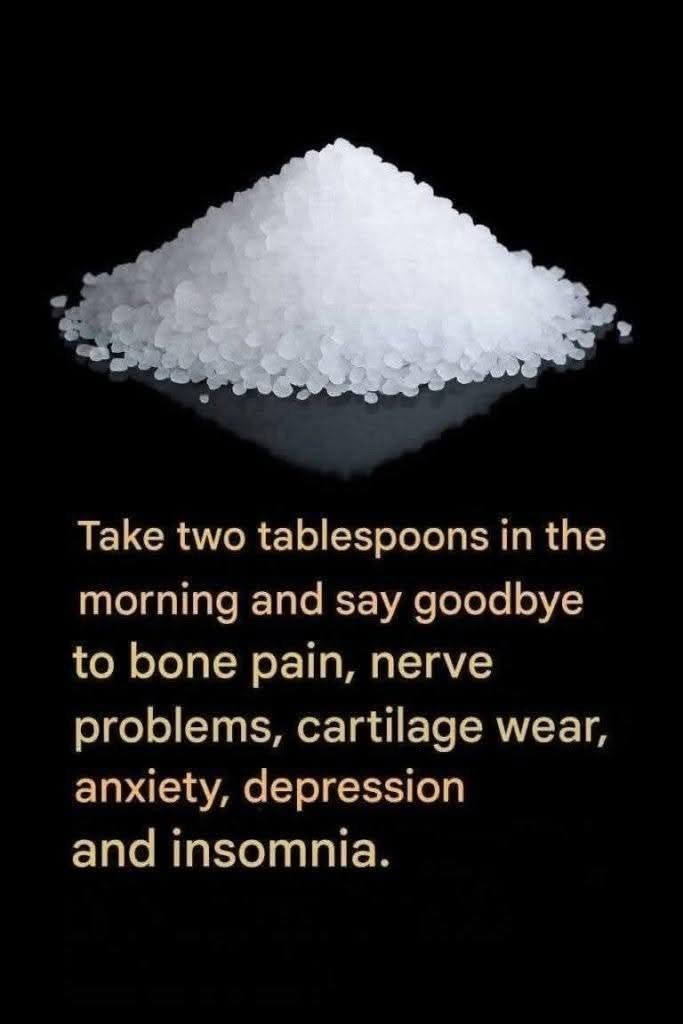
Of all the conditions mentioned in the image, constipation is the one for which certain specific mineral salts have a recognized medical use.
However, the exact substance matters.
Some medicinal magnesium sulfate products are labeled as saline laxatives for occasional constipation. When used according to their instructions, they draw water into the intestines, helping soften stool and stimulate a bowel movement.
This does not mean that ordinary table salt works in the same way.
It also does not mean that any product sold as Epsom salt is suitable for internal use.
Products intended for bathing, gardening, or other nonmedicinal purposes should never be swallowed.
Safer Ways to Manage Occasional Constipation
For many people, constipation can improve with simple measures.
Increase dietary fiber gradually. Foods such as oats, beans, lentils, vegetables, fruits, and whole grains can help support regular bowel movements.
Drink enough fluids. Adequate hydration helps the body maintain normal stool consistency, although individual fluid needs vary.
Stay physically active. Walking and other suitable activities can help support normal bowel function.
Respond to the urge to use the toilet. Repeatedly delaying bowel movements may contribute to constipation.
Review medications when appropriate. Some medicines can cause constipation, so a healthcare professional may be able to recommend an alternative or an additional treatment.
If these measures are insufficient, a pharmacist or healthcare professional can help identify an appropriate laxative.
Persistent constipation, unexplained weight loss, blood in the stool, severe abdominal pain, or vomiting requires medical assessment. Sudden severe abdominal pain with an inability to pass stool or gas may indicate an emergency.
Why Taking Two Tablespoons of Salt Every Morning Can Be Dangerous
The image recommends taking two tablespoons of an unidentified substance every morning.
This is not a safe general health recommendation.
A tablespoon is a household volume measurement, not a standardized medicinal dose. The amount of an ingredient contained in a spoonful depends on its density, crystal size, and how tightly it is packed.
More importantly, different salts contain different chemicals and can have very different effects on the body.
Too Much Sodium
If the substance is ordinary salt, consuming large quantities can deliver a substantial amount of sodium.
Excess sodium may increase blood pressure and contribute to fluid retention in susceptible people. People with heart failure, kidney disease, or certain other medical conditions may need particular care with sodium intake.
Adding large amounts of salt to the diet does not improve bone health, treat diabetes, or cure anxiety.
Too Much Magnesium Sulfate
If the substance is Epsom salt, swallowing an excessive amount can cause severe diarrhea, dehydration, and disturbances in electrolyte balance.
Magnesium can accumulate to dangerous levels in people whose kidneys cannot eliminate it effectively.
Severe magnesium toxicity may cause low blood pressure, weakness, confusion, abnormal heart rhythms, and potentially life-threatening complications.
Medicinal magnesium sulfate should therefore be used only according to the directions for the specific product, with professional advice when necessary.
People with kidney disease, abdominal pain, nausea, vomiting, or certain medication regimens should consult a healthcare professional before using it as a laxative.
Pregnant or breastfeeding individuals should also seek professional advice before using medicinal Epsom salt internally.
Do not take two tablespoons of an unidentified salt every morning to treat multiple health conditions.
How to Support Bone, Nerve, and Overall Health Safely
Although no single ingredient can replace appropriate medical care, several everyday habits can support general health.
Eat a Varied, Balanced Diet
A balanced diet provides the nutrients needed for normal body function.
Calcium supports bone structure, vitamin D helps the body absorb calcium, and protein contributes to the maintenance of muscles and other tissues.
Foods containing vitamin B12, folate, and other essential nutrients also help support normal nervous system function.
Useful foods may include vegetables, fruits, legumes, whole grains, dairy products or suitable fortified alternatives, eggs, fish, nuts, and seeds.
The appropriate diet depends on individual needs, allergies, medical conditions, and cultural preferences.
Include Appropriate Physical Activity
Regular movement supports muscle strength, balance, cardiovascular health, and joint function.
Walking, strength training, balance exercises, and other suitable activities can be beneficial, depending on a person’s age, fitness, and medical condition.
People with severe joint pain, recent injuries, osteoporosis, or mobility limitations should seek guidance about appropriate activities.
Get Enough Sleep
Consistent sleep habits can support physical and emotional well-being.
Going to bed and waking up at similar times, keeping the bedroom comfortable, and limiting caffeine later in the day may help improve sleep.
If insomnia persists, medical evaluation can identify potentially treatable causes.
Look After Mental Health
Anxiety and depression deserve the same thoughtful attention as physical health conditions.
Talking with a trusted healthcare professional, accessing psychological therapy when appropriate, maintaining supportive relationships, and following a treatment plan can all play important roles.
A mineral supplement may be appropriate for a documented deficiency, but it should not be presented as a replacement for mental health care.
Monitor Chronic Conditions
People with diabetes, high blood pressure, kidney disease, or persistent pain benefit from regular follow-up with their healthcare professionals.
Monitoring allows treatment to be adjusted and complications to be identified early.
A remedy that seems harmless because it is natural can still be dangerous if it changes electrolyte levels, interacts with medication, or delays appropriate treatment.