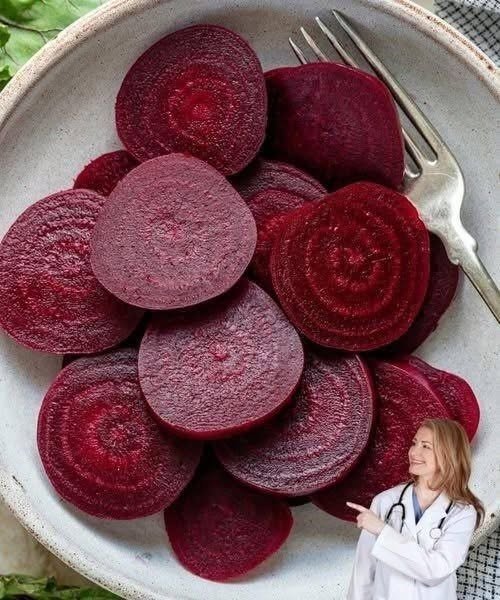
If you are looking for vegetables that contribute to digestive health, beets are worth considering.
They contain dietary fiber, which supports normal bowel function and helps maintain regular bowel movements.
Fiber adds bulk to stool and helps food move through the digestive system.
It also contributes to a healthy gut environment by providing nourishment for beneficial intestinal bacteria.
Eating enough fiber may help reduce constipation and support overall digestive health.
For better results, combine beets with other fiber-rich foods, including:
Oats.
Beans and lentils.
Apples and pears.
Broccoli.
Carrots.
Whole grains.
Leafy green vegetables.
Remember to increase fiber intake gradually and drink enough water to help your digestive system adjust.
4. They May Improve Exercise Performance
Beets have become particularly popular among athletes and people who exercise regularly.
The reason is their natural nitrate content.
As explained earlier, nitrates can contribute to nitric oxide production, which influences blood vessel function and oxygen delivery.
Some research suggests that beetroot juice may improve exercise efficiency and endurance in certain situations.
This means some people may be able to perform physical activities with slightly less oxygen consumption at a given level of effort.
However, results are not consistent across all studies, and benefits depend on factors such as fitness level, exercise type, dosage, and individual response.
Eating ordinary portions of cooked beets can contribute to a healthy diet, but it does not guarantee improved athletic performance.
5. Beets Provide Important Nutrients for the Body
Beets are relatively low in calories while providing several useful nutrients.
A typical serving of cooked beets contains:
Dietary fiber.
Folate (vitamin B9).
Potassium.
Manganese.
Small amounts of vitamin C.
Naturally occurring plant compounds.
Folate is particularly important because the body uses it to produce DNA and support normal cell division.
It is also essential during pregnancy because adequate folate intake helps reduce the risk of certain neural tube defects in developing babies.
Potassium contributes to normal muscle function, nerve signaling, and fluid balance.
Manganese plays a role in several metabolic processes and supports normal enzyme activity.
Although beets provide these nutrients, they should be combined with other nutritious foods to meet your body’s daily requirements.
6. They May Support Cardiovascular Health
Healthy blood circulation is essential for delivering oxygen and nutrients throughout the body.
The nitrates found in beets may support normal blood vessel function by contributing to nitric oxide production.
Their fiber and potassium content also makes them a useful addition to a heart-conscious eating pattern.
However, cardiovascular health depends on many factors, including:
Blood pressure management.
Healthy cholesterol levels.
Regular physical activity.
Not smoking.
Maintaining a healthy weight.
Eating plenty of vegetables and fruits.
Managing diabetes when present.
No single vegetable can prevent heart attacks or eliminate cardiovascular disease.
Beets are best viewed as one component of an overall healthy lifestyle.
7. Beets May Support Brain Health Through Better Blood Flow
The brain requires a continuous supply of oxygen and nutrients to function properly.
Because dietary nitrates can influence blood vessel relaxation, researchers have investigated whether beetroot consumption may affect blood flow to different areas of the brain.
Some small studies have explored possible connections between beetroot juice, cerebral circulation, and cognitive performance.
However, the evidence is still developing.
There is currently insufficient evidence to claim that eating beets prevents dementia, reverses memory loss, or treats neurological disorders.
Nevertheless, incorporating vegetables such as beets into a balanced diet is a sensible way to support general nutritional health.
8. They May Help Support Healthy Liver Function
The liver performs many essential functions, including processing nutrients, metabolizing medications, and helping the body eliminate waste products.
Beets contain antioxidants and other plant compounds that have been investigated for their possible effects on liver health.
Some laboratory and animal studies have examined betalains and their potential protective effects against oxidative stress.
However, these findings do not establish that eating beets detoxifies the liver or treats liver disease in humans.
Your liver already has its own sophisticated systems for processing and eliminating substances.
A healthy lifestyle, moderate alcohol consumption or avoidance, maintaining a healthy weight, and following medical advice are much more important for long-term liver health than relying on a particular vegetable.
9. Beets May Support Healthy Bowel Movements
One noticeable effect of eating beets is that they can change the color of your stool.
Their natural red pigments, particularly betalains, may pass through the digestive system and produce reddish or pinkish stool.
This harmless phenomenon is known as beeturia when referring to red or pink urine, although similar pigment-related discoloration can occur in stool.
The effect does not happen to everyone and usually disappears after the beets have passed through the digestive system.
However, it is important not to automatically assume that every episode of red urine or stool is caused by food.
Blood in urine or stool can indicate a medical problem and should be evaluated, especially when the discoloration persists, occurs without eating beets, or is accompanied by pain or other symptoms.
10. They Can Help Make a Balanced Diet More Satisfying
Beets have a naturally sweet, earthy flavor that makes them easy to incorporate into many meals.
Their fiber content can contribute to fullness, especially when eaten alongside protein-rich foods.
This can be useful for people trying to build balanced meals and maintain healthy eating habits.
For example, you can combine cooked beets with:
Grilled chicken.
Boiled eggs.
Lentils.
Chickpeas.
Fresh leafy vegetables.
Olive oil.
Plain yogurt.
Such combinations provide a mixture of fiber, protein, healthy fats, vitamins, and minerals.
Beets are not a weight-loss treatment, but they can be part of a nutritious eating pattern that supports weight management.
Important Side Effects: Who Should Be Careful When Eating Beets?