Although beets are nutritious for most people, they are not equally suitable for everyone.
There are several situations in which paying attention to portion sizes and individual health conditions is important.
1. People With a History of Kidney Stones
Beets contain oxalates, naturally occurring compounds found in many plant foods.
In susceptible individuals, oxalates can contribute to the formation of calcium oxalate kidney stones.
People who have previously experienced calcium oxalate stones may need to limit high-oxalate foods depending on their medical history and dietary recommendations.
If you have recurrent kidney stones, ask your healthcare professional or dietitian whether beets are appropriate for your diet.
You do not necessarily need to eliminate every food containing oxalates.
2. People With Low Blood Pressure
Because beetroot nitrates may modestly lower blood pressure, people who already have low blood pressure should pay attention to how they respond.
Those taking blood pressure medication should discuss concentrated beetroot supplements or large amounts of beetroot juice with their healthcare professional.
Normal food portions are generally well tolerated, but individual circumstances matter.
3. People Who Experience Digestive Discomfort
Eating large quantities of beets may cause digestive discomfort in some individuals.
Possible symptoms include:
Bloating.
Gas.
Abdominal discomfort.
Changes in bowel movements.
People who are not accustomed to eating fiber-rich foods may find it easier to start with smaller servings.
4. People With Diabetes
Beets contain natural carbohydrates and sugars, although they also provide fiber and important nutrients.
People with diabetes can generally include beets in a balanced eating plan.
However, portion sizes and preparation methods matter.
Plain cooked beets are different from sweetened beet products or juices containing added sugars.
Whole beets generally provide more fiber than strained juice.
People monitoring their blood glucose can observe how different portions affect their individual readings.
5. Red or Pink Urine After Eating Beets
One of the most surprising effects of eating beets is that your urine may turn pink or reddish.
This harmless condition is called beeturia.
It occurs because some of the red pigments are absorbed and later eliminated through urine.
The discoloration is temporary and does not necessarily indicate a health problem.
However, if you notice red urine without recently consuming beets, or if you experience pain, burning, fever, or persistent discoloration, seek medical advice.
What Is the Healthiest Way to Eat Beets?
There are several ways to enjoy beets, and each preparation method offers different advantages.
1. Boiled Beets
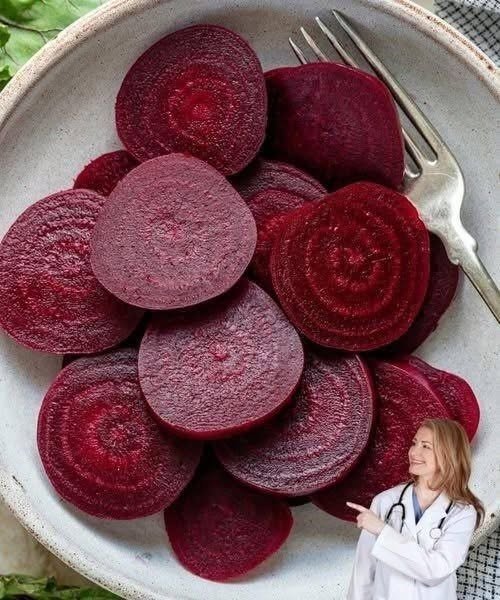
Boiling is one of the easiest ways to prepare beets.
Wash them thoroughly and cook them until they become tender.
You can peel and slice them afterward.
Boiled beets work well in salads and can be seasoned with olive oil, lemon juice, and a little salt.
Some water-soluble nutrients may move into the cooking water, so avoid unnecessarily long cooking times.
2. Roasted Beets
Roasting brings out the natural sweetness of beets.
Wash and peel them if desired, cut them into pieces, and roast them with a small amount of olive oil.
You can add black pepper, garlic, thyme, or rosemary for additional flavor.
Roasted beets make an excellent side dish.
3. Fresh Beet Salad
A simple beet salad is another excellent option.
Combine cooked, cooled beets with:
Chopped parsley.
Lemon juice.
Olive oil.
A little garlic.
Black pepper.
You can also add walnuts or chickpeas for additional nutrients and texture.
4. Beetroot Juice
Beetroot juice is popular because it provides dietary nitrates in a convenient form.
However, juicing removes much of the fiber found in whole beets.
If you enjoy beetroot juice, consider drinking moderate portions without added sugar rather than replacing all your vegetables with juice.
How Often Should You Eat Beets?
There is no universal medical requirement to eat beets every day.
For most healthy adults, moderate portions can be included regularly as part of a varied diet.
You can enjoy them several times a week, depending on your preferences and dietary needs.
A practical serving might be approximately half a cup of cooked beets.
The most important principle is variety.
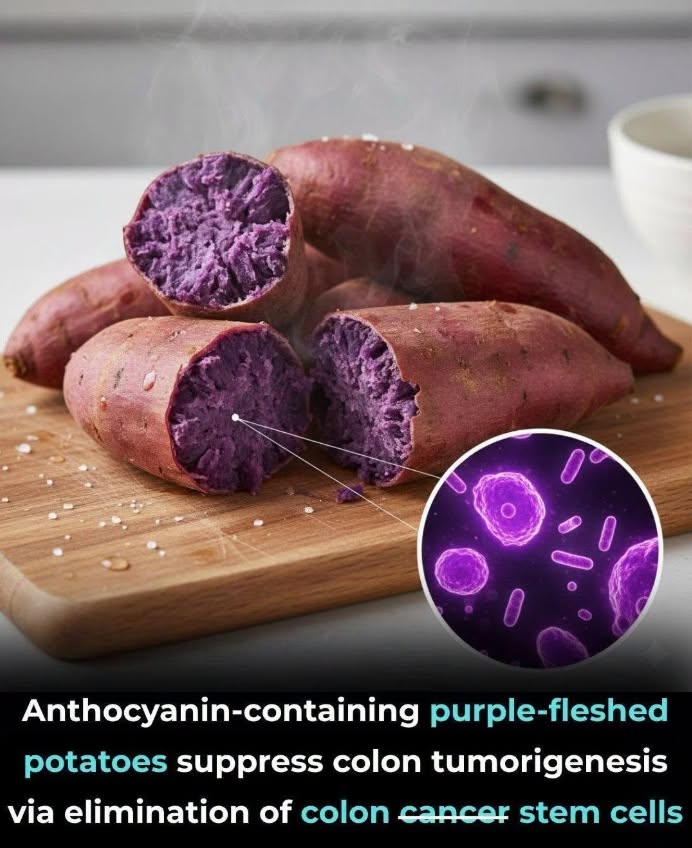
Rotate beets with other colorful vegetables such as carrots, spinach, broccoli, tomatoes, cabbage, and sweet potatoes.
Each vegetable provides a different combination of nutrients and plant compounds.
Final Thoughts
Beets are much more than a colorful addition to your plate.
They provide dietary fiber, folate, potassium, antioxidants, and natural nitrates that may support healthy blood pressure, circulation, digestion, and exercise performance.
Their potential cardiovascular benefits have attracted considerable scientific interest, making them a valuable vegetable to include in a balanced eating pattern.
However, beets are not a cure for high blood pressure, heart disease, liver problems, or other medical conditions.
People with a history of kidney stones or certain medical conditions should also consider their individual dietary needs.
The best way to enjoy beets is to eat them in reasonable portions, prepare them simply, and combine them with a variety of other nutritious foods.
Sometimes, one of the easiest ways to improve your diet is simply to add more colorful vegetables to your everyday meals.