The Beetroot Upgrade: What Really Happens to Your Body When You Eat Beets?
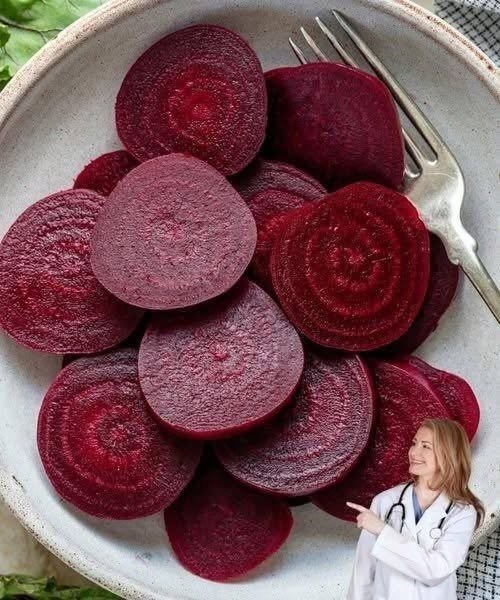
Beetroot is one of those vegetables that can look surprisingly simple on the plate while containing a fascinating collection of nutrients and plant compounds.
Its deep red-purple color comes largely from betalain pigments, while beets are also a source of dietary nitrate, folate, potassium, fiber and other nutrients. Research has particularly focused on beetroot because dietary nitrate can be converted in the body into compounds involved in nitric-oxide production, which can influence blood-vessel function and blood flow.
But social media often takes these findings and turns them into dramatic promises about “detoxing the body,” curing disease, or transforming your health overnight.
The reality is more useful: beets can be a nutritious addition to a balanced diet, and research suggests they may have measurable effects on blood pressure and, in some circumstances, exercise performance.
1. Beets Can Support Healthy Blood Pressure
One of the most interesting areas of beetroot research concerns blood pressure.
Beets contain inorganic nitrate. After consumption, nitrate can participate in a pathway that ultimately contributes to nitric oxide, a molecule involved in regulating blood-vessel dilation.
When blood vessels relax and widen, blood can flow through them more easily.
Clinical research has found that nitrate-rich beetroot juice can modestly reduce systolic blood pressure in some adults with hypertension.
A 2024 systematic review and meta-analysis of 11 randomized trials involving 349 people with hypertension found an average reduction in clinical systolic blood pressure of about 5.3 mmHg, although the researchers rated the certainty of the evidence as low and found no significant effect on several other blood-pressure measurements. (PubMed)
That is encouraging, but it doesn’t mean eating beets can replace blood-pressure medication.
2. The Nitrate in Beets Is One of Their Most Studied Compounds
Nitrate sometimes gets a bad reputation because certain processed meats contain nitrates and nitrites.
But nitrate occurring naturally in vegetables is part of a very different dietary context.
Leafy greens and beetroot are among the foods naturally rich in nitrate.
The body can convert dietary nitrate through a pathway involving nitrite and nitric oxide. This is one reason researchers have investigated beetroot juice and high-nitrate vegetables in relation to circulation and exercise.
The effect isn’t simply about one nutrient working in isolation, though. A whole food contains many compounds that interact with the rest of the diet.
3. Beets May Help During Certain Types of Exercise
Beetroot has become especially popular among athletes because of its nitrate content.
Research has found that dietary nitrate can improve performance in some types of exercise, particularly activities requiring sustained effort for a few minutes.
A large 2022 systematic review and meta-analysis involving 123 studies and 1,705 participants found that nitrate intake improved exercise performance overall, with benefits particularly apparent for exercise lasting approximately 2–10 minutes. Beetroot juice and high-nitrate diets produced more consistent effects than nitrate salts in the analysis.
However, this doesn’t mean that eating a serving of beets automatically makes someone a better athlete.