If you want to experiment with eggshell water for your garden, the process is simple.
Step 1: Save the shells
Collect clean eggshells after cooking.
Remove obvious pieces of egg white or yolk.
You don’t need a mountain of shells.
A small collection is enough to experiment with a few plants.
Step 2: Rinse them
Rinse the shells to remove remaining egg residue.
This helps reduce odors and unwanted microbial growth while the shells are being stored.
Step 3: Boil them
Place the shells in a pot of water and bring the water to a boil.
Allow them to boil for a while rather than merely dipping them briefly into hot water.
The purpose is primarily sanitation and preparation, not creating a concentrated chemical solution.
Step 4: Let the mixture cool
Once finished, allow the water to cool completely.
Remove the larger shell pieces.
Step 5: Use the water on suitable plants
The resulting water can be used as a mild supplemental treatment for garden plants.
But don’t assume that every plant needs it.
If your soil already contains sufficient calcium, adding more may accomplish very little.
The Better Option: Finely Ground Eggshells
If your goal is to recycle eggshells into the garden, fine powder is generally more useful than large pieces.
Why?
Because a whole eggshell can take a very long time to break down.
You might bury several shells next to a plant and discover months later that recognizable pieces are still sitting in the soil.
Grinding dramatically increases the surface area.
That gives the soil more opportunity to interact with the calcium carbonate.
A simple method:
- Rinse the shells.
- Dry them completely.
- Crush them.
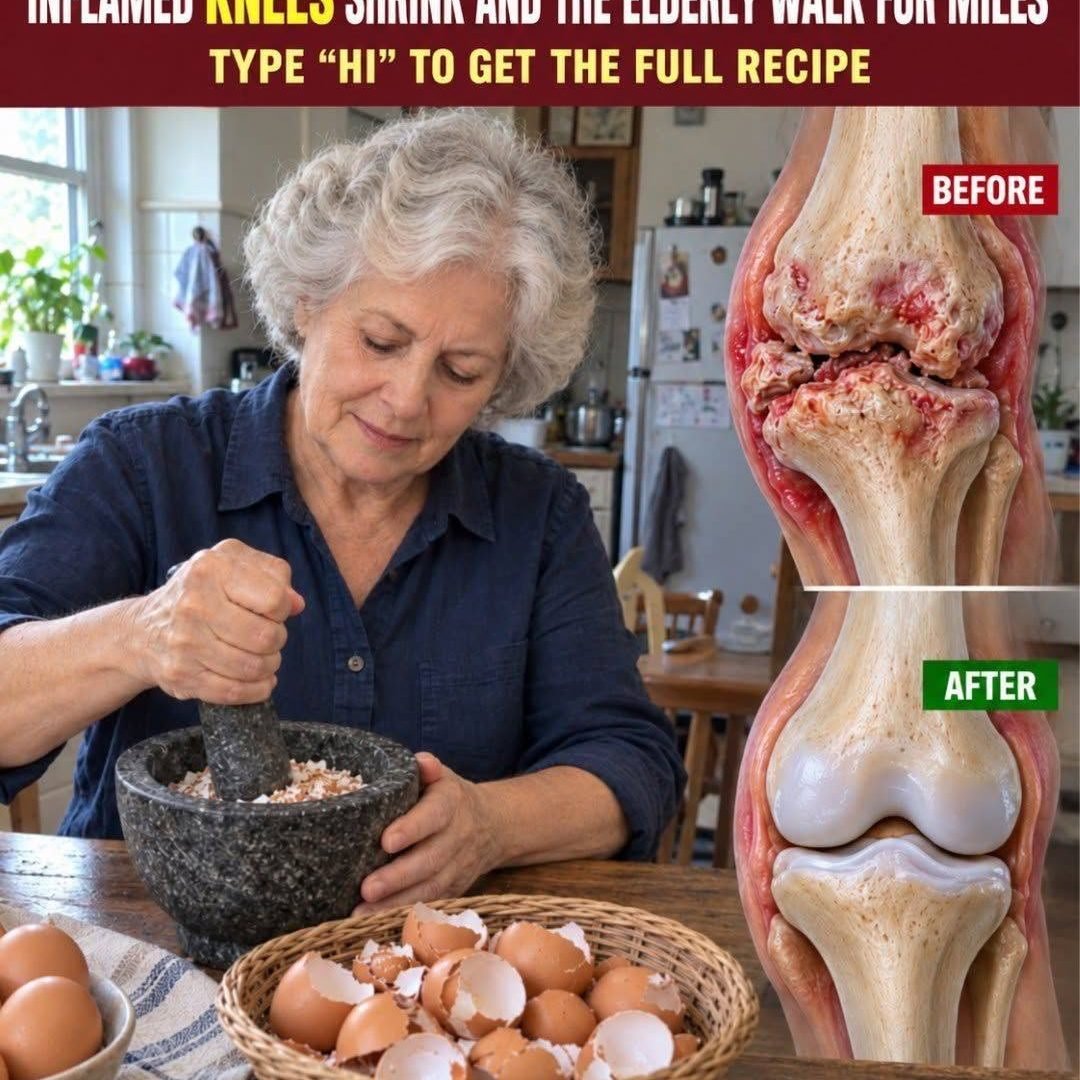
- Grind them into a fine powder.
- Add a modest amount to compost or soil when appropriate.
A mortar and pestle, food processor, or dedicated grinder can be used.
If using a food grinder, remember that eggshell dust can be abrasive, so using an inexpensive appliance reserved for this purpose may be preferable.
Can Eggshells Fix Tomato Blossom-End Rot?
This is where many viral gardening posts become misleading.
You may have seen advice telling gardeners to place eggshells into a tomato planting hole to prevent blossom-end rot.
The theory sounds logical:
Eggshells contain calcium → tomatoes need calcium → therefore eggshells prevent blossom-end rot.
But gardening is more complicated than that.
Blossom-end rot involves a problem with calcium delivery to developing fruit. Even when the soil contains calcium, inconsistent water availability can interfere with the plant’s ability to move calcium where it is needed.
Therefore, simply throwing eggshells into the soil isn’t a guaranteed solution.
Consistent watering is often much more important.
For tomatoes, peppers, and other susceptible plants, focus on:
- Consistent soil moisture
- Good drainage
- Healthy roots
- Appropriate fertilization
- Mulching
- Avoiding severe wet-dry cycles
Eggshell powder can be a useful calcium amendment if the soil actually needs calcium, but it isn’t a magic cure for existing blossom-end rot.
What About Eggshells as a Slug Repellent?
Related Posts: