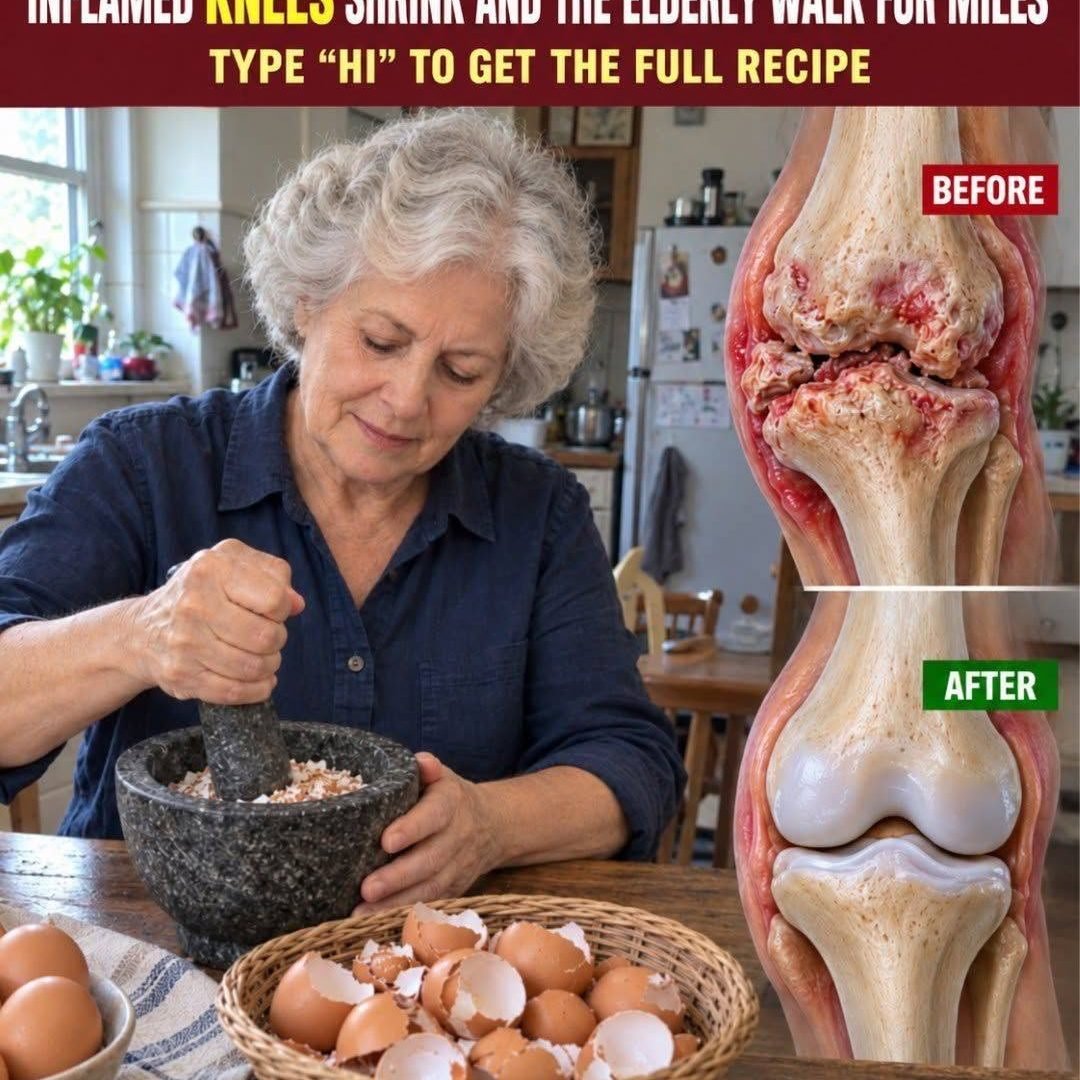
Most People Toss Eggshells, But Boiling Them Can Give Them a Useful Second Life
Another extremely popular claim says that crushed eggshells create a sharp barrier that slugs and snails won’t cross.
It sounds believable.
The idea is that sharp shell fragments will supposedly cut the soft bodies of slugs.
Unfortunately, this is not a reliable pest-control method.
Slugs produce mucus and can move over many rough surfaces.
A ring of eggshell fragments around a plant isn’t something you should depend on to protect your vegetables.
If slugs are damaging your garden, better approaches include:
Removing hiding places
Reducing excessive moisture where practical
Checking plants at night
Hand-picking pests
Using appropriate barriers
Protecting young seedlings
Improving garden sanitation
Using proven slug-management methods when necessary
Eggshells can still be composted, but don’t rely on them as an impenetrable slug fence.
Eggshells Can Go Into Compost
Another excellent use is the compost pile.
Crushed eggshells can contribute minerals to compost.
They won’t suddenly transform an ordinary compost pile into super-fertilizer, but they’re a useful way to recycle kitchen waste.
Grinding them first is helpful because large pieces decompose very slowly.
If you regularly compost fruit and vegetable scraps, coffee grounds, leaves, and other suitable organic materials, eggshells can become part of that nutrient cycle.
Can Eggshells Help Houseplants?
This is where you should be more cautious.
Outdoor garden soil contains much more volume than a small indoor pot.
If you put a large amount of eggshell material into a small container, you’re making a relatively concentrated change to the growing medium.
And because eggshells break down slowly, they aren’t necessarily a quick solution to yellow leaves, weak growth, or other problems.
If a houseplant is struggling, first investigate:
Light
Watering
Drainage
Root problems
Pests
Temperature
Pot size
Soil condition
Nutrient deficiencies
Don’t automatically assume the plant needs calcium.
A balanced houseplant fertilizer, used according to its instructions, is often more predictable than adding random kitchen scraps.
What About Eating Eggshell Powder?
This is a completely different subject.
Eggshells are rich in calcium carbonate, and properly processed eggshell powder has been studied as a source of dietary calcium.
However, do not simply collect raw shells from the kitchen, crush them into large pieces, and swallow them.
There are two major concerns.
First: bacteria
Eggshells can become contaminated with microorganisms, including Salmonella.
Thorough heat treatment reduces this risk.
Second: physical injury
Large or sharp shell fragments can irritate or injure the mouth, throat, or digestive tract.
If someone is considering eggshell powder as a calcium supplement, it should be discussed with a healthcare professional rather than treated as a casual internet remedy.
Most people can obtain calcium from ordinary foods such as dairy products, fortified foods, certain fish, tofu, and some vegetables.
There is usually no reason to start eating eggshells simply because a viral post says they’re “the strongest calcium source.”