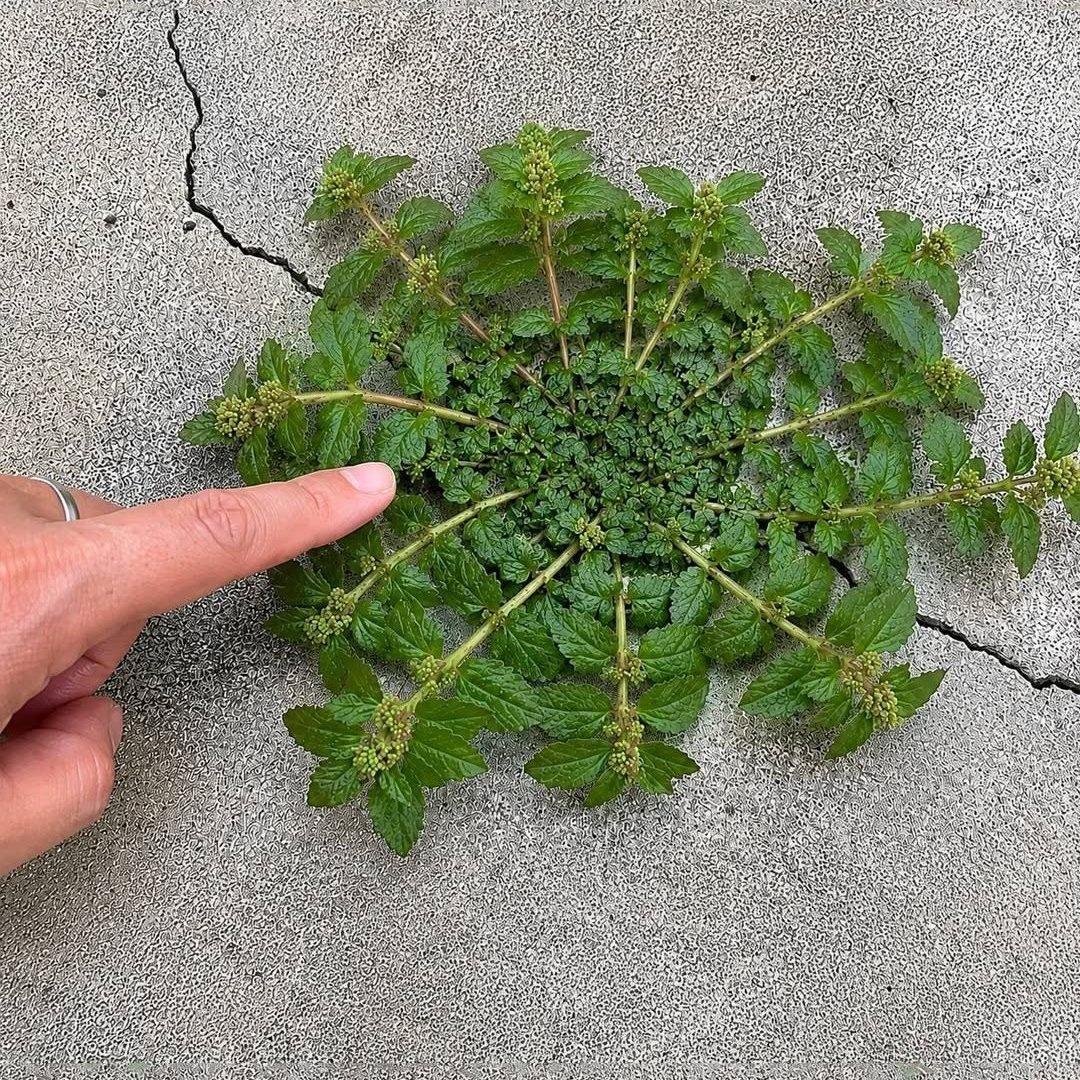
Never Uproot This Plant If It Appears in Your Garden: Why Some “Weeds” Deserve a Second Look
Don’t Rely on a Viral Caption
A photograph accompanied by a dramatic statement such as “NEVER REMOVE THIS PLANT” can attract enormous attention online.
But a caption isn’t botanical evidence.
The same image may be reposted thousands of times with different claims.
One post might call the plant medicinal. Another might say it is edible. A third might claim it is a natural fertilizer.
Those claims can spread much faster than accurate identification.
The safest approach is to treat viral gardening posts as a starting point for investigation rather than proof.
Why Misidentification Can Be Dangerous
Plant identification isn’t just about gardening.
Some harmless-looking plants have toxic relatives or look-alikes.
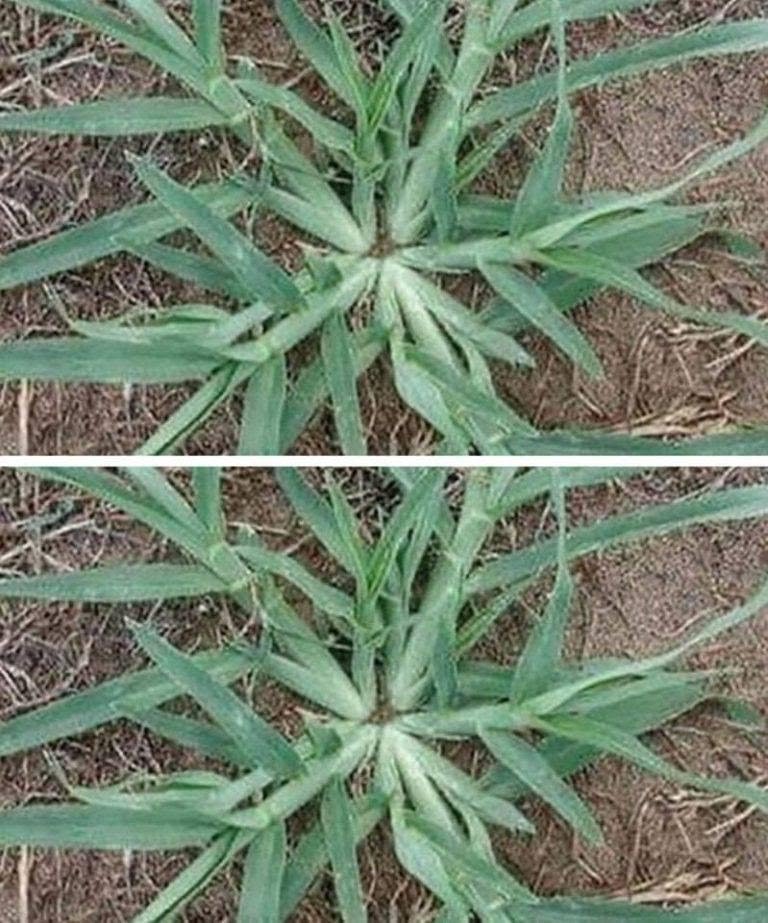
For example, several unrelated species can have similar leaf shapes when young. Without flowers, seeds, or other identifying characteristics, even an experienced person may have difficulty making a confident identification from a single photograph.
This is especially important when someone intends to eat a wild plant.
Never taste an unknown plant to determine what it is.
Never prepare an unknown plant as tea.
Never give an unidentified plant to children or pets.
And don’t assume that a plant is safe simply because someone online says that it is.
What About Removing It From Your Garden?
Whether you should keep an unknown plant depends on where it is growing and what it turns out to be.
If it’s growing directly beside a vegetable plant, it may compete for water, nutrients, light, and space.
If it is growing in an unused corner, leaving it temporarily may be perfectly reasonable while you identify it.
If it spreads aggressively, produces large quantities of seed, or threatens cultivated plants, controlling it may eventually become necessary.
The important difference is between identifying first and pulling first.
A Simple Identification Routine
The next time you see an unfamiliar plant, try this routine.
Step 1: Don’t immediately pull it out
Take a photograph before disturbing it.
Step 2: Photograph multiple angles
One picture often isn’t enough.
Take pictures of the entire plant, leaves, stem, and any flowers or seed structures.
Step 3: Look at the environment
Record whether the plant is growing in dry soil, damp soil, shade, full sun, disturbed ground, lawn, or cultivated soil.
The habitat can provide an important clue.
Step 4: Observe how it grows
Does it form a rosette?
Does it grow upright?
Does it creep across the ground?
Does it climb?
Does it branch heavily?
Step 5: Wait for flowers if appropriate
Flowers are often among the most useful identification features.
Don’t deliberately cultivate an unknown plant just to see what happens if there is any reason to suspect it could be harmful, invasive, or toxic. In those cases, seek identification promptly.
Step 6: Confirm the identification
Use a reliable plant identification reference or consult a local horticultural expert, botanical garden, agricultural extension service, or knowledgeable nursery professional.