Red, Swollen Lower Legs: What This Image May Be Showing
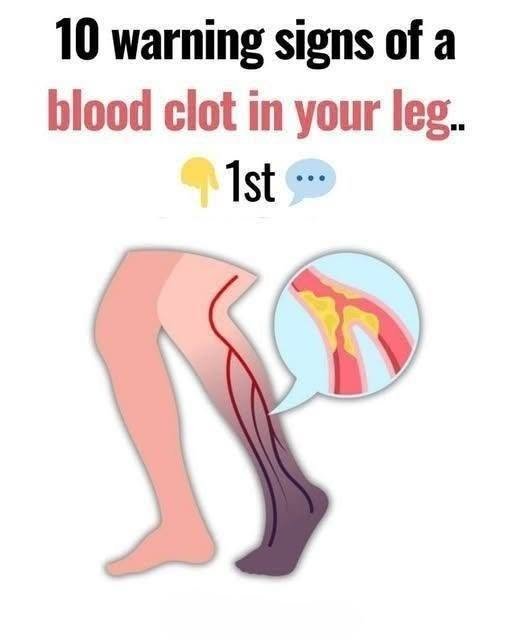
Another important condition doctors sometimes need to exclude is deep vein thrombosis, or DVT.
A DVT is a blood clot in a deep vein, usually in the leg.
Typical symptoms can include:
Swelling, usually affecting one leg
Pain or cramping, particularly in the calf or thigh
Warmth
Red or darkened skin
Tenderness
Sometimes swollen or painful veins
DVT is particularly important because part of a clot can travel to the lungs and cause a pulmonary embolism. (UCLH)
The image shows changes involving both legs, which is not the classic presentation of DVT, but the important point is that a person’s symptoms, medical history and examination matter much more than a photograph.
Sudden swelling—especially on one side—should be evaluated promptly.
When Leg Swelling Requires Urgent Attention
A person should seek urgent medical assessment if leg swelling is:
New and unexplained
Sudden
Severe
Painful
Becoming progressively worse
Associated with significant redness or warmth
Associated with fever or chills
Mainly affecting one leg
Accompanied by difficulty walking
A swollen, hot and painful leg can indicate cellulitis or another condition requiring prompt treatment. (Mayo Clinic)
There is an even more serious warning sign.
If someone with leg swelling develops shortness of breath, chest pain or tightness, coughing up blood, fainting, severe dizziness, or a racing heartbeat, emergency medical care is required because a blood clot may have traveled to the lungs. (nhs.uk)
Why Both Legs May Become Swollen
When both legs gradually become swollen, doctors may consider several possibilities.
For example, chronic venous disease can affect both legs. Lymphedema can also cause persistent swelling.
General fluid retention can occur because of certain medications or medical conditions affecting the heart, kidneys or liver. Thyroid disorders can also contribute to swelling.
Some blood-pressure medications are known to cause ankle swelling in certain people.
This is why simply taking a “water pill” or using a home remedy without knowing the cause isn’t necessarily appropriate.
The correct treatment depends on why the swelling is occurring.
The Skin Color Can Provide Clues—But It Isn’t a Diagnosis
The reddish-brown appearance of the lower legs in the photograph is worth paying attention to, particularly if it has been present for a long time.
But skin color alone cannot tell us whether the cause is:
Venous disease
Previous inflammation
Dermatitis
Infection
Lymphedema
Injury
Another vascular problem
In people with darker skin tones, redness caused by inflammation can also be less obvious visually, making other symptoms such as warmth, tenderness, swelling and changes in texture particularly important. (nhs.uk)
What Should Someone Do If Their Legs Look Like This?
The first step is not to search for a single “miracle” treatment.
A healthcare professional should assess the swelling and skin changes, particularly if they are persistent or worsening.
Depending on the situation, an evaluation may include:
Checking both legs
Measuring blood pressure
Examining pulses and circulation
Looking for varicose veins
Checking the skin
Reviewing medications
Asking about mobility
Asking about previous blood clots
Checking for signs of infection
Assessing heart, kidney, liver or thyroid-related symptoms
Ordering additional tests when appropriate
If a blood clot is suspected, medical professionals may use specific tests and imaging rather than attempting to diagnose it from appearance alone.
Simple Measures That May Help Some Types of Swelling
If a healthcare professional has determined that the swelling is not an emergency and is related to a chronic condition, several general measures may help.
Elevate the legs
Raising the legs when resting can help reduce fluid accumulation in some forms of edema.
The feet can be placed on pillows or another comfortable support.
Avoid sitting or standing in one position for long periods
Gentle movement can encourage circulation.
Short walks and regular ankle movements may be useful for people who are able to exercise safely.
Take care of the skin
Swollen skin can become stretched and vulnerable to cracks.
Keeping the skin clean and moisturized can help maintain the skin barrier.
Small cuts, cracks, blisters and fungal infections of the feet should not be ignored because breaks in the skin can provide an entry point for bacteria.
Be careful with compression stockings
Compression garments can be helpful for certain causes of chronic leg swelling, particularly some venous conditions.
But they are not appropriate for everyone.
Someone with significant arterial circulation problems or certain other conditions may need medical assessment before using compression.
Therefore, compression stockings should not automatically be recommended just because someone’s legs are swollen.
Don’t Assume It Is “Just Aging”
Swollen, discolored legs become more common with age, but that does not mean they should automatically be dismissed as normal.
Persistent swelling deserves attention because it can sometimes indicate a treatable underlying condition.
The same applies to changes that suddenly become worse.
A person who has had mildly swollen ankles for years and suddenly develops severe pain, heat, redness and rapid swelling needs a different evaluation from someone whose ankles have gradually become puffy after standing all day.