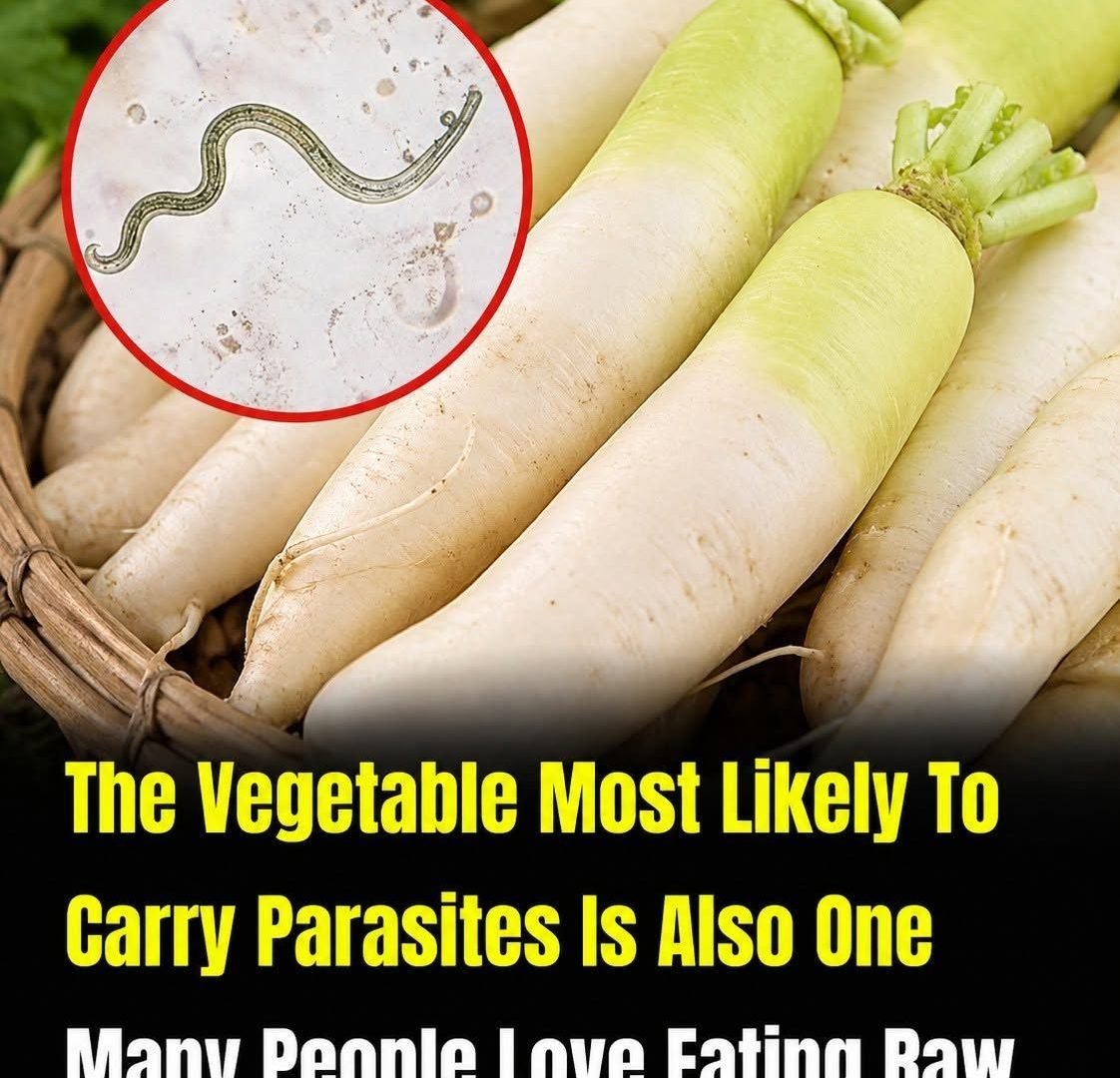
The Vegetable Most Likely to Carry Parasites Is Also One Many People Love Eating Raw
Celery contains a high proportion of water and is relatively low in calories.
It also provides dietary fiber and several vitamins and minerals, including vitamin K.
Eating whole celery also provides more fiber than drinking celery juice after the pulp has been removed.
Its crunchy texture makes it an easy addition to salads, vegetable platters, soups, stews, and cooked meals.
Whole Celery Versus Celery Juice
Celery juice has become popular because of claims that it can “detox” the body or eliminate harmful substances.
The body already has highly effective organs responsible for processing and eliminating waste, particularly the liver and kidneys.
Celery juice should therefore not be viewed as a parasite cleanse or medical treatment.
There is also an important nutritional difference between whole celery and celery juice.
When you eat the entire stalk, you consume its fiber. When celery is juiced and the pulp is discarded, much of that fiber is removed.
For that reason, eating whole vegetables is generally a straightforward way to obtain their natural fiber.
Can Celery Cause Stomach Problems?
Celery itself is not inherently harmful to the digestive system, but some people may experience digestive discomfort after eating large amounts of raw vegetables.
Because celery contains fiber, suddenly increasing your fiber intake can sometimes cause:
Gas
Bloating
Abdominal discomfort
Changes in bowel movements
These effects are usually related to digestion rather than parasites.
People with certain food allergies can also react to celery. A celery allergy can cause symptoms such as itching, swelling, hives, or other allergic reactions and can occasionally be serious.
Anyone who experiences significant symptoms after eating celery should discuss them with a healthcare professional.
What Are the Real Warning Signs of Foodborne Illness?
If contaminated food causes an infection, symptoms can vary depending on the organism involved.
Possible symptoms include:
Diarrhea
Vomiting
Nausea
Abdominal cramps
Fever
Weakness
Loss of appetite
Some infections can be more serious than others.
Seek medical attention for severe or persistent symptoms, especially if there is blood in the stool, significant dehydration, severe abdominal pain, persistent vomiting, high fever, or symptoms in someone particularly vulnerable to complications.
It is also important not to automatically assume that diarrhea or stomach pain means you have parasites. Many different conditions can cause similar symptoms.
People at Higher Risk Need Extra Care
Certain people are more vulnerable to serious foodborne infections.
This includes young children, older adults, pregnant people, and individuals with weakened immune systems or certain underlying medical conditions.
For these groups, careful food preparation and hygiene are particularly important.
Depending on an individual’s circumstances, a healthcare professional may also recommend specific precautions regarding raw foods.
Can Cooking Make Celery Safer?
Cooking celery can reduce the risk associated with many microorganisms because adequate heat can destroy numerous pathogens.
Celery works particularly well in cooked dishes such as:
Soups
Stews
Sauces
Casseroles
Stir-fries
Rice dishes
Roasted vegetable dishes
However, cooking is not required simply because celery is considered a potentially contaminated vegetable