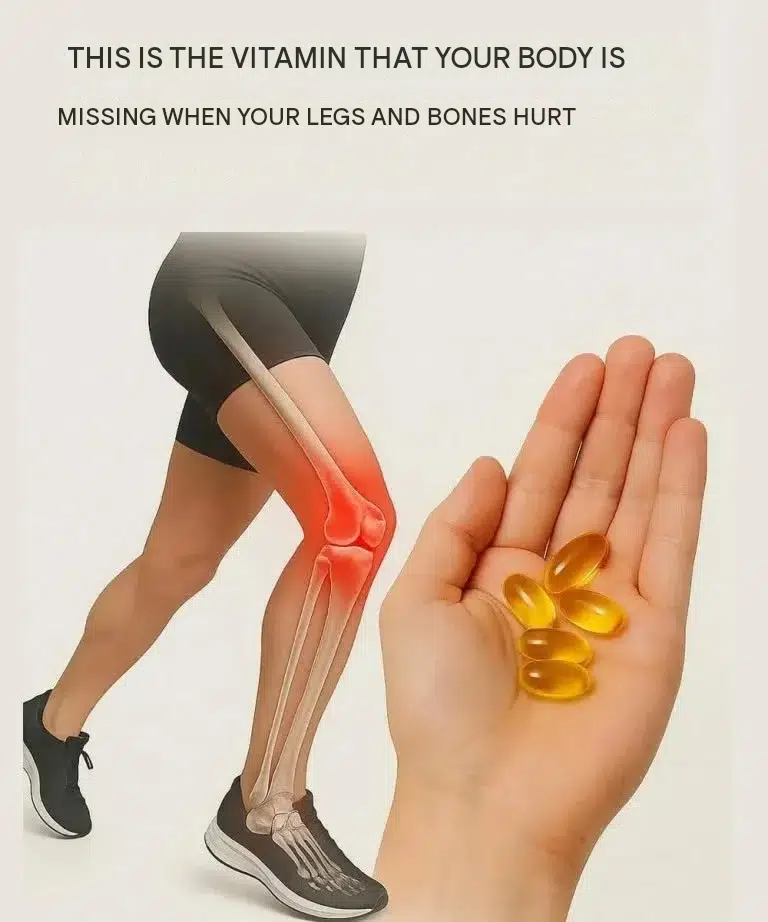
The Vitamin You May Need When Your Legs and Bones Ache
The body can obtain vitamin D in several ways.
Sunlight
The skin can produce vitamin D when exposed to ultraviolet B radiation from sunlight.
However, the amount produced varies considerably from person to person.
Factors include:
Skin pigmentation
Age
Season
Geographic location
Time of day
Amount of skin exposed
Clothing
Use of sunscreen
Time spent outdoors
Because these factors vary so much, there is no single amount of sunlight that guarantees adequate vitamin D for everyone.
It is also important not to intentionally expose the skin to excessive ultraviolet radiation in an attempt to increase vitamin D levels. Too much ultraviolet exposure increases the risk of skin damage and skin cancer.
Food
Vitamin D can also come from certain foods.
Some foods naturally contain vitamin D, while others may be fortified with it.
Examples include certain types of fatty fish and some fortified dairy or plant-based products.
Egg yolks contain smaller amounts of vitamin D as well.
Including a variety of nutritious foods in your diet can help contribute to overall nutrient intake.
Supplements
Vitamin D supplements are another option when dietary intake and sunlight exposure are insufficient or when a deficiency has been diagnosed.
However, more is not necessarily better.
Because vitamin D is fat-soluble, excessive supplementation can lead to abnormally high levels and potentially cause health problems.
For that reason, high-dose vitamin D should not be taken routinely without appropriate medical advice.
What Happens When Vitamin D Is Too Low?
When vitamin D levels become significantly low, the body can have difficulty maintaining normal calcium and phosphorus balance.
Over time, this can affect bone mineralization.
In children, severe deficiency can lead to rickets, a condition that affects normal bone development.
In adults, severe deficiency can contribute to osteomalacia.
The bones may become weaker and more susceptible to pain and fractures.
Muscle weakness can also occur.
For older adults, maintaining adequate vitamin D and calcium intake is particularly important as part of an overall strategy for protecting bone health.
However, bone health also depends on physical activity, protein intake, other nutrients, hormones, genetics, age, and several other factors.
Vitamin D Is Not the Only Nutrient Important for Bones
One of the biggest misunderstandings surrounding bone health is the idea that vitamin D works alone.
It does not.
Calcium is particularly important because it provides the mineral structure of bones.
Protein also contributes to the structure and maintenance of bone tissue.
Other nutrients, including magnesium, phosphorus, vitamin K, and several other vitamins and minerals, have roles in normal health.
This is one reason a balanced diet is generally more useful than focusing on a single supplement.
Eating a variety of vegetables, fruits, whole grains, legumes, dairy or suitable alternatives, nuts, seeds, and protein-rich foods can provide a broad range of nutrients.
What If Your Legs Ache but Your Vitamin D Is Normal?