The Vitamin You May Need When Your Legs and Bones Ache
This is an important question.
If your vitamin D level is normal, persistent leg pain may have another cause.
For example, muscle overuse can cause aching after exercise or physical work.
Arthritis can cause pain around the joints.
A nerve problem can cause pain, tingling, burning, or numbness.
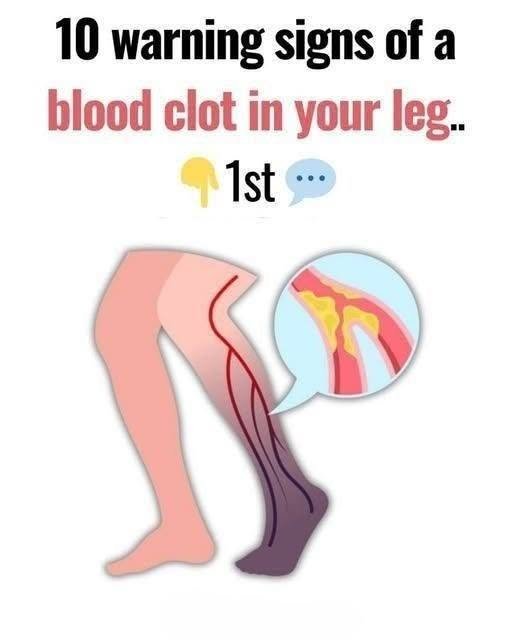
Certain circulation problems can also cause leg discomfort.
In some cases, medications can contribute to muscle or joint symptoms.
Other nutritional deficiencies or medical conditions can also cause fatigue and muscle discomfort.
This is why persistent pain deserves proper evaluation rather than automatically being treated with vitamin D.
Leg Pain From Muscles Is Different From Bone Pain
It can be difficult to determine whether pain is actually coming from the bones, muscles, joints, nerves, or surrounding tissues.
Muscle pain may occur after physical activity and can feel sore, tight, or tender.
Joint pain may become worse when moving a particular joint and can sometimes be associated with swelling or stiffness.
Nerve-related pain can feel burning, electric, sharp, or tingling.
Bone pain can feel deeper and may not necessarily change in the same way as muscle soreness.
A healthcare professional can help determine where the pain is actually coming from.
When Should You Consider Testing Vitamin D?
Testing may be appropriate in certain circumstances, particularly when a person has symptoms or risk factors that make deficiency more likely.
A healthcare professional may consider vitamin D testing for someone with unexplained bone or muscle problems, certain bone conditions, malabsorption problems, or other relevant risk factors.
Not everyone with occasional leg pain needs a vitamin D blood test.
The decision depends on the person’s symptoms, medical history, diet, medications, and overall risk.
Should You Take Vitamin D Just Because Your Legs Hurt?
Not necessarily.
Taking a normal amount of vitamin D through food or a standard supplement may be appropriate for some people, but high-dose supplementation should not be used as a diagnosis or treatment without professional guidance.
If your body does not need additional vitamin D, taking very large amounts can be harmful.
Excess vitamin D can cause calcium levels in the blood to become too high. This can result in symptoms such as nausea, vomiting, weakness, excessive thirst, frequent urination, confusion, and kidney problems.
This is why the idea that “if a little is good, more is better” does not apply to vitamin supplements.
Foods That Provide Vitamin D
If you want to increase vitamin D through food, several nutritious options can help.
Fatty fish are among the best natural sources.
Examples include:
Salmon
Sardines
Mackerel
Trout
Herring
Egg yolks provide smaller amounts.
Some foods may also be fortified with vitamin D, including certain dairy products, plant-based milk alternatives, breakfast cereals, and other fortified foods.
The amount varies from one product to another, so checking the nutrition information can be useful.
Vitamin D and Calcium Work Together
Think of vitamin D and calcium as partners in maintaining bone health.
Calcium provides an important structural mineral for bones.
Vitamin D helps the body absorb calcium efficiently and plays a role in maintaining appropriate calcium and phosphorus levels.
If someone has inadequate vitamin D, simply consuming large amounts of calcium may not completely solve the underlying problem.
Likewise, adequate vitamin D does not eliminate the need for calcium.
A balanced diet is therefore important.
Exercise Is Also Important for Strong Bones
Nutrition is only one part of maintaining healthy bones.
Physical activity also plays an important role.
Weight-bearing activities can encourage bones to remain strong.
Examples include:
Walking
Climbing stairs
Dancing
Resistance exercises
Certain sports
Bodyweight exercises
Strength training can also help maintain muscle mass and strength, which is particularly valuable as people age.
Of course, the appropriate activity depends on your physical condition.
Someone with severe joint pain, osteoporosis, a recent fracture, or another medical condition should receive appropriate guidance before beginning a new exercise program.
Why Older Adults May Need Extra Attention
Bone density tends to decline with age, and older adults can have several factors that increase the risk of vitamin D deficiency.
They may spend less time outdoors, have changes in the skin’s ability to produce vitamin D, consume less food overall, or have medical conditions that affect absorption.
Muscle strength can also decline with age.
This makes nutrition, physical activity, fall prevention, and regular medical care especially important.
However, older adults should not automatically assume that every ache is simply “old age” or vitamin deficiency.
New or worsening pain should be evaluated appropriately.
Don’t Ignore Persistent Bone Pain
Occasional aches after a long day of walking or exercise are usually very different from persistent or unexplained bone pain.
If pain continues for weeks, repeatedly wakes you during the night, becomes progressively worse, or occurs without an obvious explanation, it deserves medical attention.
Particularly concerning symptoms can include:
Unexplained weight loss
Persistent fever
Significant weakness
Repeated fractures
Severe nighttime pain
Swelling
A noticeable lump
Difficulty walking
Pain following a significant injury
These symptoms can have many possible causes and should not simply be attributed to vitamin D deficiency.
What About Cramps?
Leg cramps are another common symptom people sometimes associate with vitamin deficiency.
A cramp is a sudden involuntary contraction of a muscle.
Cramps can be related to many factors, including muscle fatigue, dehydration, certain medications, electrolyte abnormalities, pregnancy, nerve problems, or circulation issues.
Vitamin D deficiency is not the only possible explanation.
If cramps occur frequently or are severe, discuss them with a healthcare professional.
A Balanced Approach to Vitamin D
The best approach is neither to ignore vitamin D nor to treat it as a cure-all.
Vitamin D is essential for normal health and plays an important role in bones and muscles.
If you are deficient, correcting the deficiency can be important.
But if your vitamin D level is already adequate, taking increasingly large doses is unlikely to provide an unlimited benefit and can potentially cause harm.
The goal is adequacy, not excess.
Simple Habits That Support Bone Health
You can support healthy bones by combining several habits:
Eat a varied diet
Include foods containing calcium, protein, vitamin D, and other nutrients.
Stay physically active
Walking and resistance exercises can help maintain muscle and bone strength.
Spend reasonable time outdoors
Normal outdoor activity can contribute to vitamin D production, while sun protection remains important.
Avoid smoking
Smoking can negatively affect bone health and overall health.
Limit excessive alcohol
Heavy alcohol consumption can increase several health risks, including risks related to bone health.
Maintain a healthy body weight
Both very low body weight and excessive weight can create health concerns, so maintaining an appropriate weight is generally beneficial.
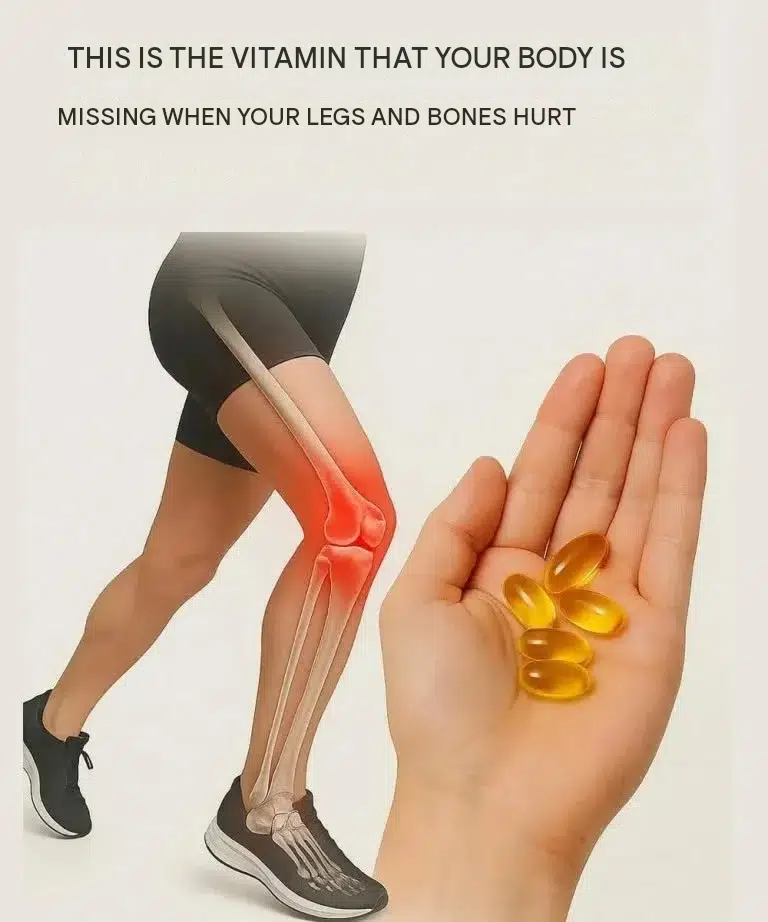
The Vitamin in the Image
The image suggests that vitamin D is the vitamin to consider when the legs and bones ache.
Vitamin D is indeed important for bone and muscle health, and significant deficiency can cause bone pain and muscle weakness.
But the correct message is more nuanced:
Leg or bone pain does not automatically mean that you need vitamin D.
If the pain is persistent, severe, unexplained, or accompanied by other symptoms, the underlying cause should be investigated.
A blood test can help determine whether vitamin D deficiency is present when testing is appropriate.
Final Thoughts
Vitamin D plays a major role in maintaining healthy bones and supporting normal muscle function. When vitamin D levels are significantly low, a person may develop bone discomfort, muscle weakness, and problems with bone mineralization.
This is why vitamin D deserves attention when someone has unexplained bone or muscle symptoms.
But it is equally important not to assume that every aching leg is caused by vitamin D deficiency.
Leg pain can result from many different problems, including muscles, joints, nerves, circulation, injuries, medications, and other medical conditions. Treating the wrong cause with a vitamin supplement may delay the right diagnosis.
A balanced diet containing vitamin D and calcium, regular physical activity, appropriate outdoor activity, and good overall nutrition can all contribute to healthier bones.
If you suspect that you are deficient in vitamin D, a healthcare professional can help determine whether testing is appropriate and whether supplementation is necessary.
And if you already take vitamin D, avoid taking very high doses simply because you believe they will make your bones stronger. Excessive supplementation can cause dangerously high calcium levels and other complications.
The most important lesson is simple: vitamin D is essential, but it is not a universal cure for leg and bone pain. When pain persists or becomes severe, finding the actual cause is much more important than simply taking a vitamin.