The Vitamin Your Body May Lack When Your Legs and Bones Hurt
What About Calcium Supplements?
People sometimes assume that bone pain means they should immediately take both calcium and vitamin D.
That isn’t necessarily appropriate.
Calcium requirements depend on age, sex, diet, and individual health circumstances.
Many people can obtain substantial calcium through foods such as:
Milk
Yogurt
Cheese
Calcium-fortified beverages
Tofu made with calcium
Sardines with bones
Certain leafy greens
Whether supplementation is appropriate depends on the individual.
Taking unnecessary supplements can create its own problems.
How Can You Support Bone Health Naturally?
You don’t have to rely on one supplement to protect your bones.
A healthy bone-supporting lifestyle includes several factors.
Eat a Balanced Diet
Include a variety of nutrient-rich foods.
Aim for adequate protein, calcium-rich foods, vegetables, fruits, whole grains, legumes, nuts, and seeds.
Stay Physically Active
Weight-bearing activity and resistance exercise can help maintain bone and muscle strength.
Walking, climbing stairs, dancing, resistance exercises, and other appropriate activities can be useful.
The right exercise depends on your age, fitness level, and medical conditions.
Get Appropriate Sunlight
Sunlight allows the skin to produce vitamin D.
However, the amount needed varies considerably between people.
Excessive ultraviolet exposure increases skin-cancer risk, so deliberately getting large amounts of unprotected sunlight is not a safe substitute for medical advice or appropriate vitamin D intake.
Maintain Muscle Strength
Strong muscles help support joints and bones and can improve balance.
Resistance exercises can be particularly useful as people get older.
Avoid Smoking
Smoking can negatively affect bone health and increases the risk of numerous other health problems.
Limit Excessive Alcohol
Heavy alcohol consumption can also negatively affect bone health and increase the risk of falls and fractures.
When Leg Pain Needs Medical Attention
Not every type of leg pain requires urgent care, but certain symptoms should not be ignored.
Seek prompt medical attention if you develop severe or unexplained pain accompanied by:
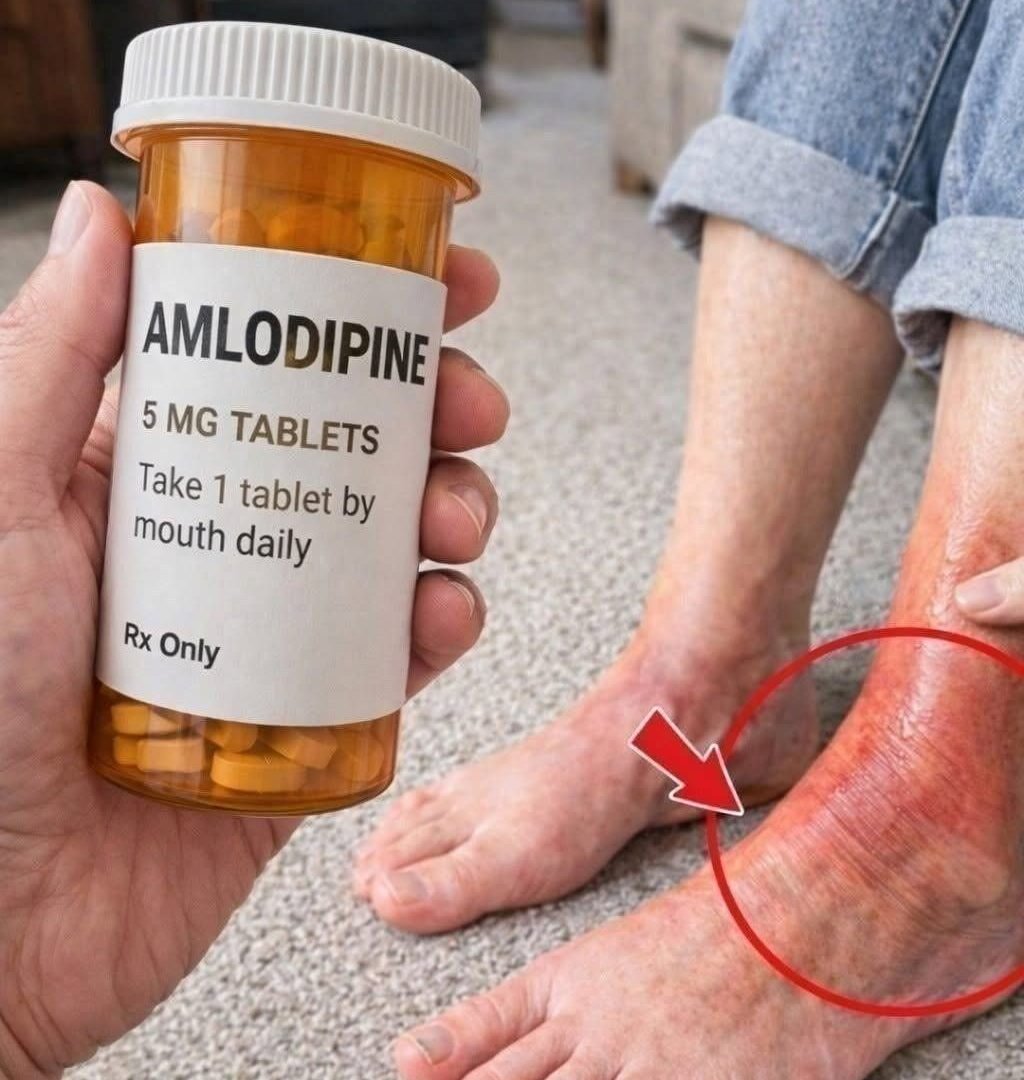
Sudden swelling in one leg
Significant redness or warmth
Severe weakness
Loss of sensation
Difficulty walking
A serious injury
Fever
Unexplained weight loss
Persistent night pain
Severe back pain with leg weakness
Loss of bladder or bowel control
Sudden swelling and pain in one leg, particularly with shortness of breath or chest pain, can indicate a potentially serious blood clot and requires urgent medical attention.
What If the Pain Is Mostly at Night?
Leg pain that appears primarily at night can have many causes.
Some people experience muscle cramps, restless legs symptoms, nerve-related discomfort, arthritis, or circulation-related symptoms.
Vitamin and mineral deficiencies are only one possibility.
If nighttime leg pain happens regularly and interferes with sleep, it is worth discussing with a healthcare professional rather than automatically assuming vitamin D is responsible.
What If Your Bones Hurt Everywhere?
Generalized bone or body pain deserves attention if it persists.
Vitamin D deficiency can be one possibility, but there are many others.
Depending on the symptoms, a healthcare professional may consider nutritional deficiencies, thyroid problems, inflammatory conditions, medication effects, muscle disorders, kidney problems, or other causes.
The appropriate evaluation depends on the person’s age, medical history, symptoms, medications, and physical examination.
The Difference Between Bone Pain and Joint Pain
People often describe all discomfort as “bone pain,” but the source may actually be a joint, muscle, tendon, or nerve.
For example, pain around the knee doesn’t necessarily mean the knee bone is the problem.
Similarly, pain in the lower leg may come from muscles, tendons, nerves, blood vessels, or the bones themselves.
Understanding exactly where the pain originates can help narrow down the possible cause.
The Bottom Line
Vitamin D is one of the most important nutrients to consider when evaluating certain bone and muscle symptoms, especially when a true deficiency is present.
Low vitamin D can contribute to bone discomfort, muscle aches, weakness, and problems with bone mineralization.
But leg or bone pain does not prove that you are deficient in vitamin D.
Other nutrients, medical conditions, injuries, nerve problems, joint disorders, and circulation issues can produce similar symptoms.
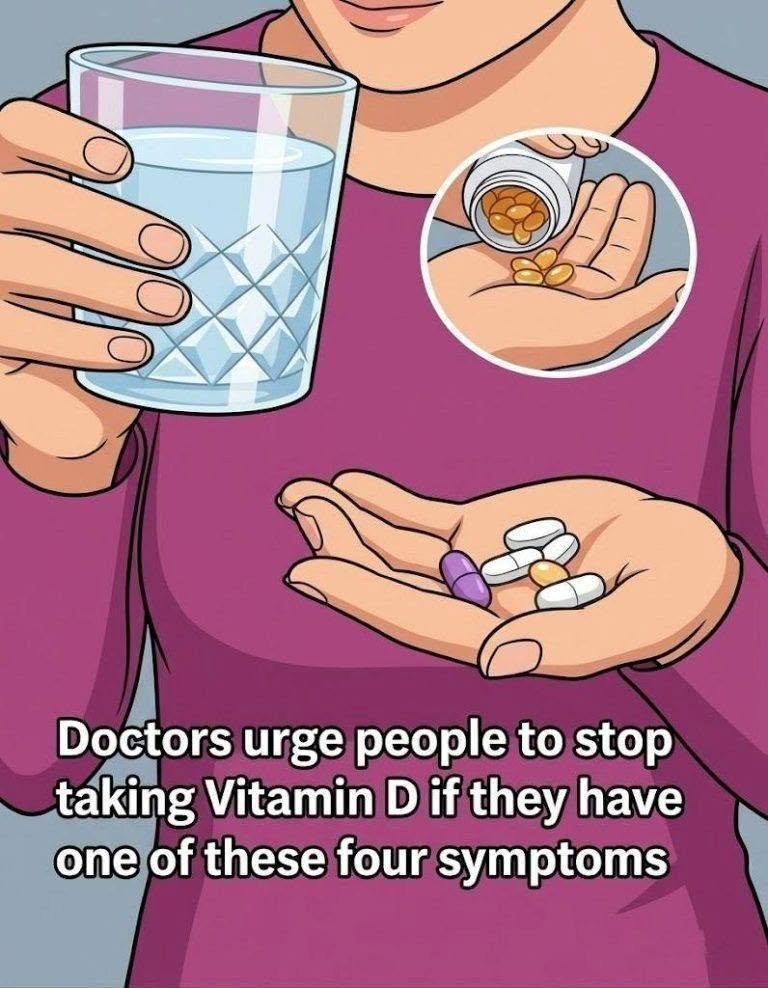
The safest approach is to identify the underlying cause rather than taking large doses of supplements based solely on an internet post.
If you have persistent unexplained bone or leg pain, particularly if it is accompanied by weakness, difficulty walking, swelling, numbness, fever, or other unusual symptoms, speak with a healthcare professional.
And if vitamin D deficiency is suspected, a blood test can help determine whether supplementation is actually needed.
Your body needs vitamin D for healthy bones and muscles—but the right treatment starts with knowing what is actually causing the pain.