The Vitamin Your Body May Lack When Your Legs and Bones Hurt
Iron
Iron deficiency can cause fatigue and weakness, particularly when it leads to anemia.
Although iron deficiency isn’t usually thought of as a direct cause of bone pain, severe anemia can make the legs feel weak or heavy.
Not All Leg Pain Comes From a Vitamin Deficiency
This is one of the most important things to understand.
Leg pain can have many causes.
For example:
Muscle strain
Arthritis
Tendon problems
Nerve compression
Sciatica
Peripheral neuropathy
Circulation problems
Injuries
Certain medications
Electrolyte disturbances
Joint inflammation
Bone conditions
Some causes are relatively minor, while others require prompt medical attention.
That is why persistent or unexplained pain shouldn’t simply be treated with supplements without determining the cause.
Who Is More Likely to Have Low Vitamin D?
Vitamin D deficiency can occur in many different people.
Risk can be influenced by factors such as limited exposure to sunlight, low dietary intake, certain gastrointestinal conditions, problems affecting vitamin D metabolism, and some medications.
Older adults can also be at increased risk because the body’s ability to produce vitamin D through the skin can decrease with age.
People who spend very little time outdoors may also have lower vitamin D production.
However, sunlight exposure isn’t the only factor.
Skin pigmentation, geographic location, season, clothing, sunscreen use, age, and individual biology can all influence vitamin D status.
Can You Get Enough Vitamin D From Food?
Some foods contain vitamin D naturally, while others are fortified.
Dietary sources can include:
Fatty fish
Egg yolks
Certain fortified dairy products
Fortified plant-based beverages
Some fortified cereals
Certain mushrooms exposed to ultraviolet light
For many people, food alone may not provide all the vitamin D they need, which is why vitamin D supplements are sometimes recommended.
But the appropriate amount depends on the individual.
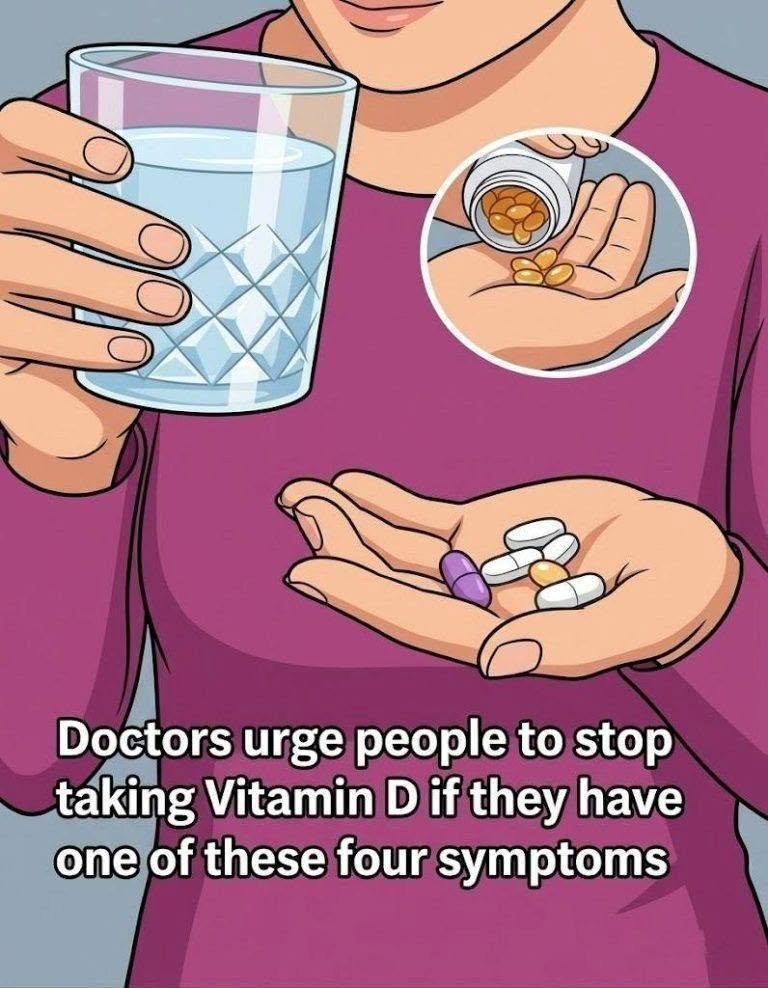
Should You Take Vitamin D If Your Legs Hurt?
Not necessarily.
Taking a vitamin D supplement simply because your legs hurt isn’t the same thing as treating a confirmed deficiency.
If a deficiency is suspected, a healthcare professional can determine whether testing is appropriate.
A blood test can measure a form of vitamin D called 25-hydroxyvitamin D, which is commonly used to assess vitamin D status.
If your level is low, a healthcare professional can recommend an appropriate supplementation strategy.
This is much safer than taking very high doses on your own.
More Vitamin D Is Not Always Better
Vitamin D is essential, but excessive supplementation can be harmful.
Very high intake over time can cause vitamin D toxicity.
Excess vitamin D can increase calcium levels in the blood, potentially leading to problems such as:
Nausea
Vomiting
Weakness
Excessive thirst
Frequent urination
Confusion
Kidney problems
Abnormal heart rhythms in severe cases
This is why “more” does not mean “healthier.”
Taking extremely high doses without medical supervision is not a good strategy for treating unexplained pain.