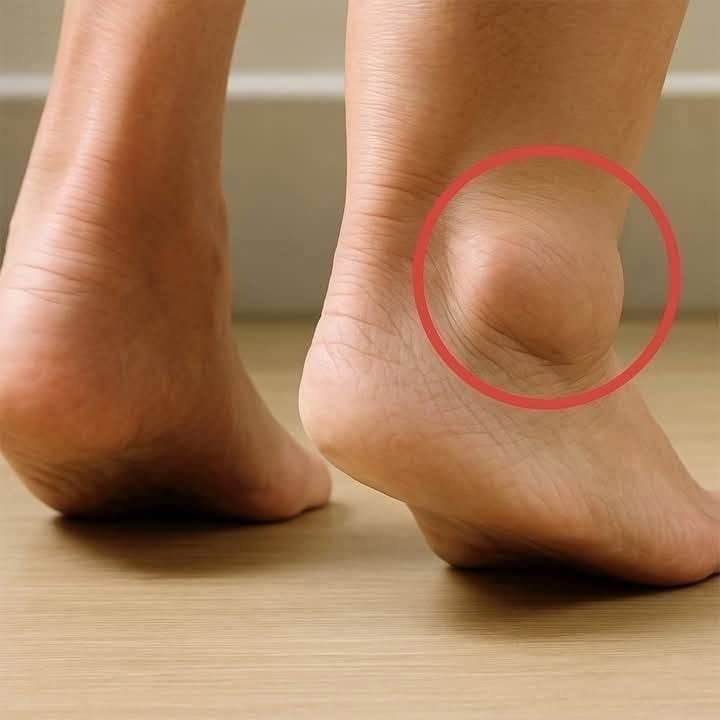
Why Are the Veins on Your Hands Suddenly More Visible? What It Really Means
When Should You Talk to a Doctor?
Consider getting medical advice if a previously normal vein suddenly becomes:
Painful — especially if the pain is persistent.
Red or warm — particularly when combined with swelling.
Significantly swollen — especially if only one side is affected.
Associated with skin changes — such as discoloration or an unusual sore.
Bleeding — particularly if you don’t know why.
Cleveland Clinic recommends medical evaluation when prominent veins are painful, swollen, red/discolored, warm or bleeding. (Cleveland Clinic)
The Most Important Difference: Appearance vs. Symptoms
This is the key lesson from the viral image.
Usually less concerning:
Veins have always been visible
Both hands look similar
Veins become more visible after exercise
Veins are more obvious when you’re hot
There is no pain or swelling
You otherwise feel well
More concerning:
A vein suddenly becomes much larger
One hand becomes swollen
The area becomes painful
The skin becomes red or warm
There is unexplained bleeding
The change is accompanied by other unusual symptoms
The second group deserves professional assessment rather than an internet diagnosis.
Final Takeaway
Visible veins on your hands do not automatically mean you are unhealthy.
For many people, prominent hand veins are simply the result of normal anatomy, aging, thinner skin, lower body fat, genetics, exercise or temporary changes in blood flow. (Cleveland Clinic)
The veins shown in the image can therefore be completely normal, particularly when there is no pain, swelling, redness or other unusual symptom.
What matters most is a new or significant change, especially when it occurs together with pain, swelling, warmth, discoloration or other symptoms.
So rather than judging your health by how visible your hand veins are, pay attention to changes, symptoms and the overall picture.