6 Foods That Help Support Muscle Mass and Strength as You Age
Losing muscle mass is a natural part of aging, but significant muscle loss is not something you simply have to accept. Your muscles respond to what you eat, how much you move, and how consistently you challenge them.
Nutrition becomes particularly important as we get older. The body needs enough protein, calories, vitamins, minerals, and other nutrients to maintain muscle tissue and support physical strength.
No single fruit or food can completely stop muscle loss. However, certain foods can make it easier to get the nutrients your muscles need.
Here are six nutritious foods that can support muscle maintenance and strength.
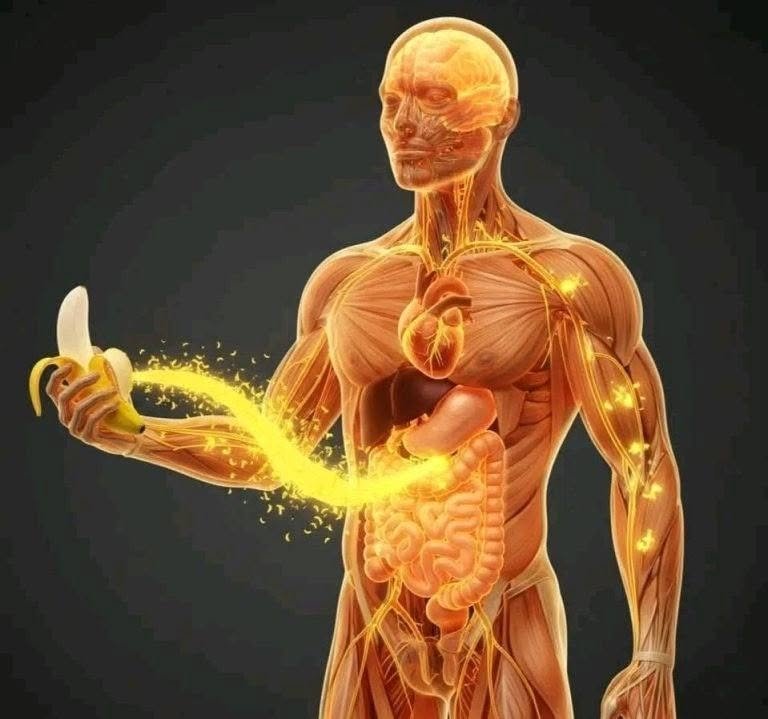
1. Bananas
Bananas are an easy and convenient source of carbohydrates, potassium, and vitamin B6.
Carbohydrates are important because they provide energy for physical activity. If you don’t consume enough energy, your body may have a harder time supporting exercise and maintaining muscle.
Potassium is also important for normal muscle and nerve function.
A banana can make a useful snack before or after physical activity, particularly when combined with a source of protein.
For example, you could eat a banana with plain yogurt, cottage cheese, or a small amount of nuts.
However, bananas alone don’t provide enough protein to maintain or build muscle. Think of them as part of a complete meal rather than a muscle-building food by themselves.
2. Berries
Strawberries, blueberries, raspberries, and blackberries are packed with nutrients while providing relatively few calories.
They contain fiber, vitamin C, and various plant compounds.
Vitamin C is involved in collagen production, which is important for connective tissues, including those surrounding muscles and joints.
Berries can also make protein-rich foods more enjoyable.
Try adding them to:
Plain Greek yogurt
Oatmeal
Cottage cheese
A smoothie
A bowl of nuts and seeds
A breakfast containing berries and a protein-rich food is much more supportive of muscle maintenance than eating fruit alone.
3. Avocados
Avocados are particularly useful because they provide healthy fats, fiber, potassium, and other nutrients.
Healthy fats are an important source of energy and help the body absorb certain fat-soluble vitamins.
Avocados also contain potassium, which contributes to normal muscle function.
You can add avocado to eggs, whole-grain toast, salads, sandwiches, or grain bowls.
For someone trying to maintain muscle while also keeping meals nutritious, avocado can add energy and healthy fats without relying on highly processed foods.
Remember that avocados are relatively calorie-dense, so a moderate portion is generally enough.