6 Foods That Help Support Muscle Mass and Strength as You Age
Depending on your fitness level, resistance exercises can include:
Squats
Chair stands
Wall push-ups
Resistance bands
Light weights
Step-ups
Calf raises
Leg exercises
Older adults can benefit greatly from strength-focused physical activity, provided the exercises are appropriate for their health and ability.
If you have significant health problems or haven’t exercised for a long time, getting professional guidance before starting a new exercise program can be helpful.
Why Muscle Loss Becomes More Important With Age
As people get older, muscle mass and strength can gradually decline.
This process can make everyday activities more difficult.
Simple tasks such as climbing stairs, carrying groceries, getting up from a chair, or walking long distances can become harder when strength decreases significantly.
Maintaining muscle is therefore not only about appearance.
It is about independence, balance, mobility, and quality of life.
Strong muscles can help you remain active and perform everyday activities more easily.
Don’t Forget Calories
Protein gets most of the attention when people talk about muscle, but total energy intake matters too.
If someone consistently consumes far fewer calories than their body needs, maintaining muscle can become more difficult.
This can be particularly important for older adults who have a reduced appetite.
A balanced diet containing protein, whole grains, fruits, vegetables, healthy fats, and enough overall energy can provide the body with the resources it needs.
If you are unintentionally losing weight, especially along with loss of strength, it is worth discussing this with a healthcare professional.
Spread Protein Throughout the Day
Instead of eating almost all your protein at one meal, it can be useful to include a protein source at breakfast, lunch, and dinner.
For example:
Breakfast
Eggs with whole-grain toast and fruit.
Lunch
Chicken or beans with vegetables and rice.
Snack
Greek yogurt with berries.
Dinner
Fish or lentils with vegetables and potatoes.
This creates several opportunities throughout the day to provide your muscles with amino acids.
Hydration Also Matters
Muscles contain a large amount of water, and hydration is important for normal physical function.
Older adults may sometimes experience reduced thirst, which can make it easier to drink less than they need.
Water should be the primary source of hydration for most people.
Fruits and vegetables also contribute water to the diet.
If you have been instructed to restrict fluids because of a medical condition, follow your healthcare professional’s recommendations.
A Simple Muscle-Supporting Meal
You don’t need expensive supplements or complicated recipes to create a nutritious meal.
For example, consider:
Grilled chicken or beans
Brown rice or potatoes
A large serving of vegetables
Avocado
An orange or berries
This provides protein, carbohydrates, healthy fats, fiber, vitamins, and minerals.
Another simple option is:
Greek yogurt
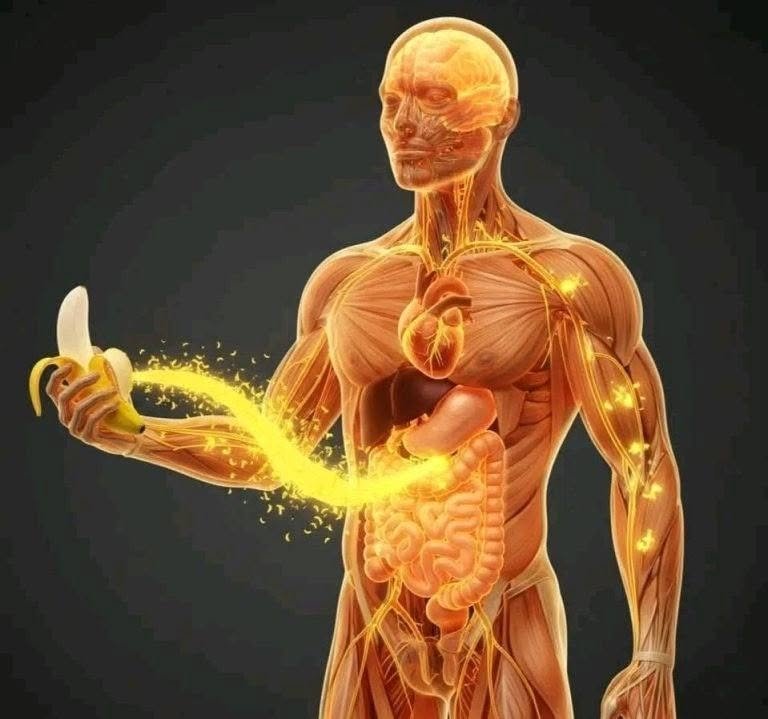
Banana
Berries
Oats
A small amount of nuts
The combination is convenient and provides protein, carbohydrates, healthy fats, and fiber.
What About Protein Supplements?
Some people can meet their protein needs entirely through food.
Others, particularly people with low appetite or increased nutritional needs, may find protein-rich drinks or supplements convenient.
But supplements aren’t automatically necessary.
If you have kidney disease or another medical condition that affects protein intake, don’t dramatically increase your protein consumption without discussing it with your healthcare professional.
Your individual needs can be different from those of another person.
The Bottom Line
Fruits such as bananas, berries, avocados, oranges, dried fruits, and kiwi can contribute valuable nutrients to a diet designed to support healthy aging and physical strength.
But no fruit can single-handedly stop muscle loss.
The strongest approach is to combine nutritious foods with adequate protein, enough overall calories, regular resistance exercise, good hydration, and consistent physical activity.
If you’re trying to preserve muscle as you age, don’t focus on finding one magical food.
Build meals around a good protein source, add colorful fruits and vegetables, include healthy fats and whole grains, and give your muscles regular opportunities to work.
Strong muscles are built and maintained through consistent nutrition and movement—not one miracle food.