Which Egg Came From the Healthiest Chicken? The Truth About Egg Yolk Color
Does a Chicken’s Health Affect the Egg?
Yes, the hen’s overall health can influence egg production and egg quality.
A chicken that is sick, stressed, malnourished, or experiencing nutritional deficiencies may have changes in egg production or shell quality.
But those changes are not reliably summarized by yolk color.
A chicken’s health is determined through many factors, including:
Body condition
Behavior
Appetite
Feather condition
Activity
Egg production
Disease status
Nutrition
Living conditions
You cannot evaluate all of these characteristics by looking at a yolk.
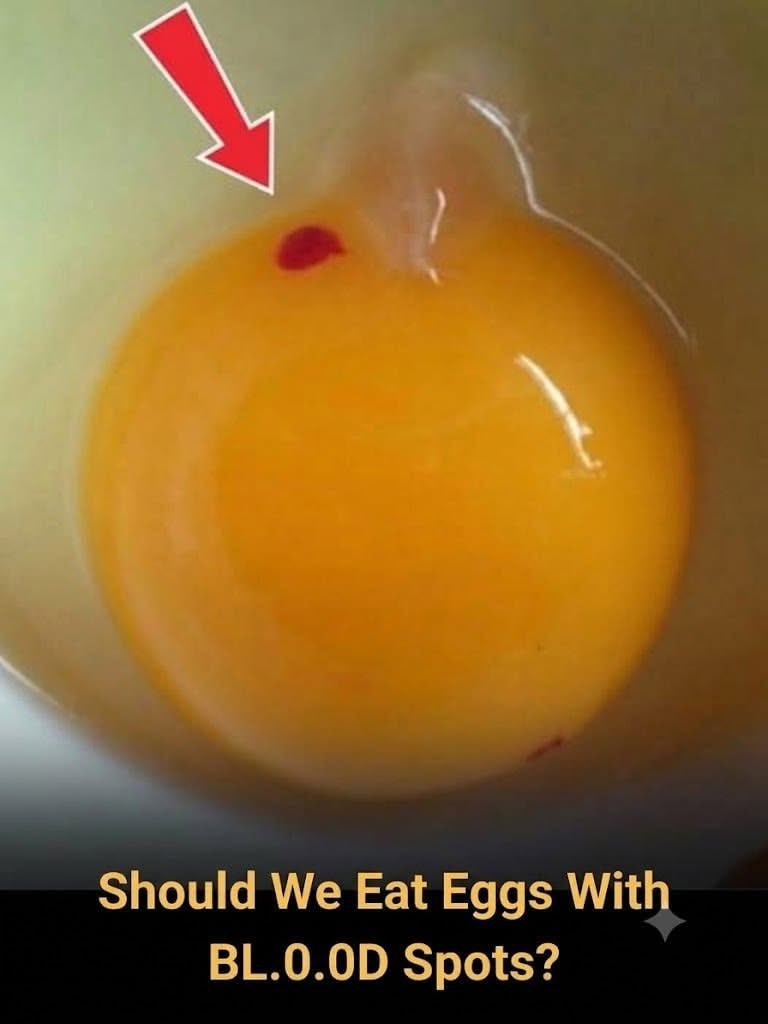
What About Blood Spots in Eggs?
Sometimes you may crack an egg and find a small red or brown spot.
This can look alarming, but a small blood spot does not automatically mean that the egg is unsafe or that the hen was unhealthy.
Blood spots can occur when a small blood vessel ruptures during egg formation.
They become more common in some hens than others.
A small blood spot can generally be removed with a clean utensil if you prefer.
However, eggs should still be handled and cooked appropriately.
What About a Greenish or Strange-Looking Egg?
A green, gray, pink, or otherwise unusual appearance inside an egg can have different explanations.
Some changes can result from cooking, storage, or harmless variations.
Other unusual colors, especially those accompanied by an unpleasant odor or signs of spoilage, are reasons to discard the egg.
If a raw egg looks or smells clearly spoiled, don’t taste it to determine whether it is safe.
When in doubt, throwing it away is safer than taking a food-safety risk.
Does Yolk Color Affect Taste?
It can sometimes be associated with differences in flavor, but yolk color itself isn’t a simple measure of taste.
Diet, freshness, storage, and cooking method can all influence the eating experience.
Some people prefer eggs with deep orange yolks because they associate the color with richer flavor.
Others notice little difference.
Taste is highly subjective.
What About Omega-3 Eggs?
This is an important example of why appearance can be misleading.
Some eggs are specifically produced from hens whose diets are enriched with omega-3 sources.
These eggs can contain more omega-3 fatty acids than conventional eggs.
But you can’t reliably identify an omega-3-enriched egg simply by looking at the yolk.
The nutritional information on the package is much more useful.
If you’re specifically looking for omega-3 eggs, check the product information rather than relying on yolk color.
What About Free-Range Eggs?
Free-range or pasture-raised hens may have access to outdoor environments, depending on the production system and labeling rules where you live.
Their eggs may have different yolk colors because of differences in diet.
However, yolk color still doesn’t provide a definitive way to determine how the hen was raised.
If production method matters to you, look at the labeling and information provided with the eggs rather than trying to interpret the yolk.
Are Eggs Healthy to Eat?
For many people, eggs can be part of a balanced diet.
Eggs provide high-quality protein and several important nutrients.
The yolk contains many of the egg’s vitamins and minerals, while the white is particularly rich in protein.
Eggs can be prepared in many ways:
Boiled
Poached
Scrambled
Baked
Fried
Added to soups
Used in omelets
Included in salads
The overall diet matters much more than whether the yolk is pale yellow or deep orange.
How to Get the Most From Your Eggs
Instead of focusing on yolk color, think about the entire meal.
For example, eggs paired with:
Vegetables
Whole grains
Beans
Fresh fruit
Avocado
Plain yogurt
can create a nutritious meal.
Cooking methods also matter.
Boiling, poaching, baking, or scrambling eggs with moderate amounts of added fat can be practical choices.
If you fry eggs in large amounts of butter or other fats, the nutritional characteristics of the entire meal change.
A Simple Way to Judge an Egg
When you crack an egg, don’t ask only:
“Is the yolk orange?”
Instead, consider:
Does the egg look and smell normal?
Has it been stored properly?
Is the shell intact?
Is it within its recommended storage period?
Will I cook it properly?
Those questions are much more useful from a food-safety perspective.
Don’t Believe Every “Healthy Egg” Test Online
Social media has produced countless visual tests claiming to reveal whether an egg came from a healthy chicken.
Some compare yolk colors.
Others compare shell colors.
Some claim that eggs with certain shapes, spots, or textures are automatically healthier.
These tests are appealing because they’re simple.
Unfortunately, biology isn’t usually that simple.
An egg is the product of a complex biological process influenced by the hen’s genetics, diet, environment, age, and health.
One visual characteristic cannot tell you everything about that process.
So Which One Is the “Healthy” Egg?
If you were asked to choose between the three eggs in the picture, you might naturally choose number 3 because its yolk is the darkest orange.
But that conclusion would not be scientifically justified.
The yolk color alone cannot tell us which chicken was healthiest.
Number 3 may have been produced by a hen whose diet contained more carotenoid pigments.
Number 2 may have come from a hen with a different but equally appropriate diet.
Number 1 may also have come from a perfectly healthy chicken.
Without information about the hens, their diets, living conditions, health, and the eggs themselves, the photograph cannot establish which chicken was healthiest.
Final Takeaway
The color of an egg yolk is interesting, but it isn’t a health score for the chicken.
A pale yellow yolk is not automatically unhealthy, and a deep orange yolk is not automatically healthier.
Yolk color is influenced primarily by pigments in the hen’s diet, along with other biological and environmental factors.
A darker yolk may contain more carotenoid pigments, but that doesn’t mean it automatically contains more protein, more omega-3 fatty acids, or dramatically more vitamins.
If you’re choosing eggs, pay more attention to freshness, proper storage, safe handling, intact shells, nutritional labeling when relevant, and the overall quality of your diet.
So, when looking at the three eggs in the picture, there isn’t a scientifically reliable way to declare number 1, 2, or 3 the egg from the “healthiest chicken.”
The orange color tells you something about the egg’s pigments—not a complete story about the hen’s health.