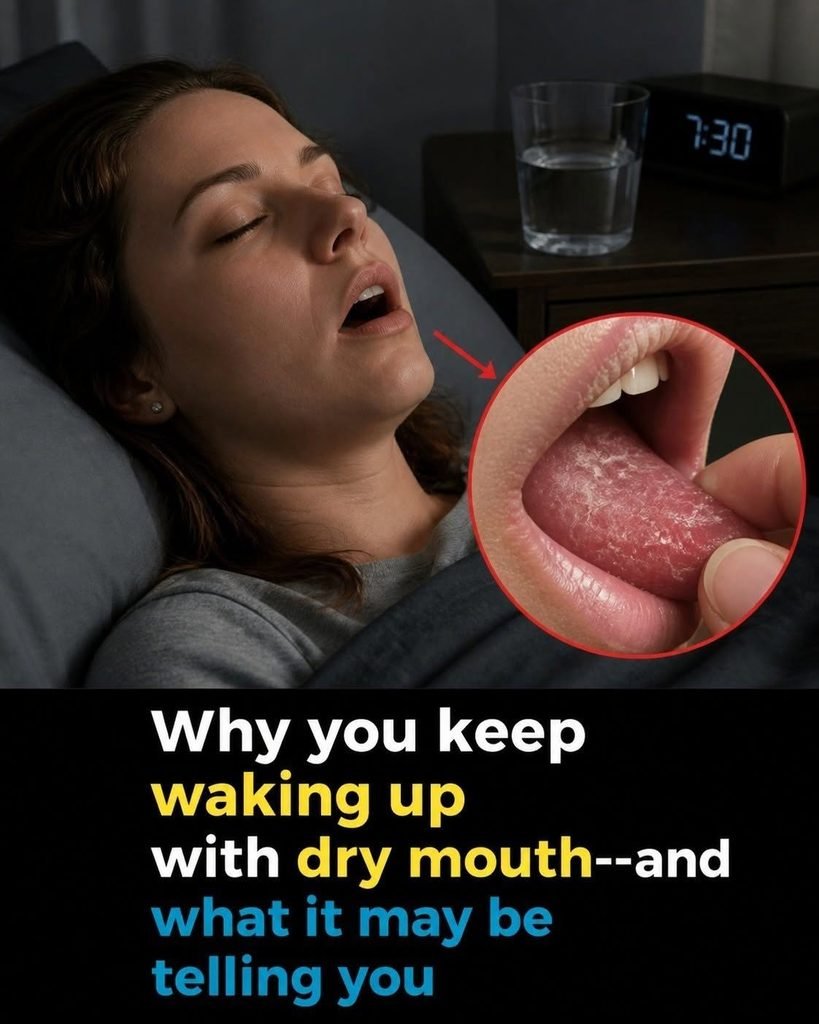
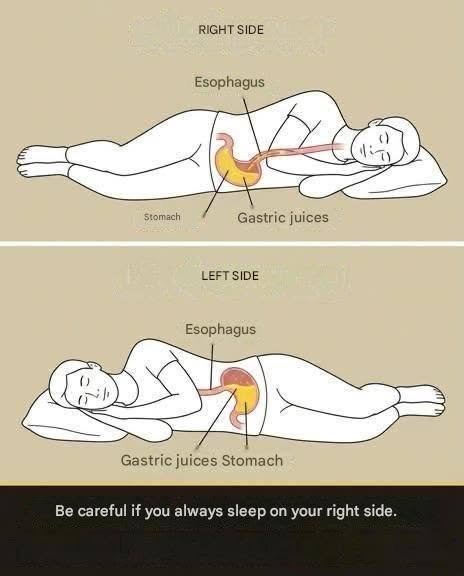
Waking Up With Dry Mouth? Here’s What Your Body Might Be Telling You
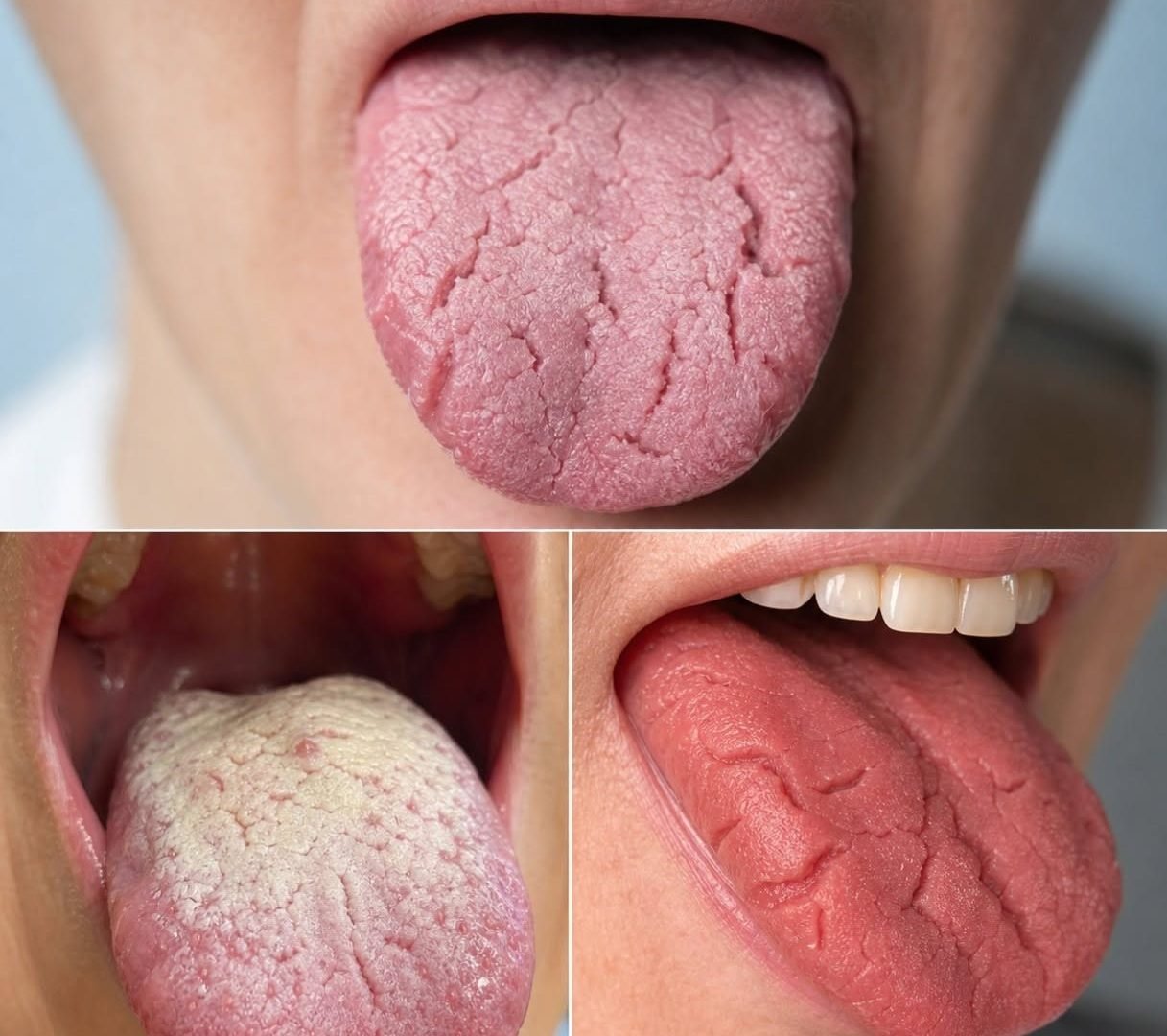
Waking up with a dry mouth is something many people experience from time to time. You may notice that your tongue feels sticky, your mouth feels unusually dry, your throat is uncomfortable, or you need to drink water immediately after waking.
Sometimes it is simply the result of sleeping with your mouth open or not drinking enough fluids during the day. But if dry mouth happens frequently, especially every morning, it can sometimes point to an underlying habit, medication effect, sleep-related problem, or health condition that deserves attention.
Dry mouth is medically known as xerostomia. It occurs when there isn’t enough saliva in the mouth or when the mouth feels dry despite saliva being present.
Saliva is much more important than simply keeping the mouth comfortable. It helps wash away food particles, supports swallowing and speaking, protects teeth from acids, and contributes to the mouth’s natural defense against harmful microorganisms.
That’s why persistent dry mouth shouldn’t always be dismissed as a minor inconvenience.
Why Do You Wake Up With a Dry Mouth?
The most common explanation is often surprisingly simple: your mouth is open while you’re sleeping.
When you breathe through your mouth for several hours, moisture evaporates from the tongue, gums, cheeks, and other tissues.
This can leave you waking up with:
A sticky feeling in the mouth
A dry or coated tongue
Bad breath
A scratchy throat
Difficulty swallowing
A strong desire to drink water
An unpleasant taste
Mouth breathing can happen occasionally, particularly when you’re congested, but frequent nighttime mouth breathing may deserve further investigation.
1. Sleeping With Your Mouth Open
Your sleeping position and breathing habits can influence how much moisture remains in your mouth overnight.
If your lips remain open while sleeping, air continually passes over the oral tissues.
This can increase evaporation and make your mouth feel extremely dry by morning.
Some people don’t realize they sleep with their mouth open until a partner notices it or they wake up with significant dryness.
If you frequently wake with a dry mouth and also experience nasal congestion or snoring, mouth breathing may be an important factor.
2. Nasal Congestion
A blocked nose makes normal nasal breathing difficult.
When the nose is congested because of allergies, a cold, sinus problems, or another condition, you may naturally switch to breathing through your mouth.
This can create a cycle:
Blocked nose → mouth breathing → dry mouth → waking with a dry mouth.
If your dryness is worse during periods when your nose is congested, this may help explain the pattern.
Keeping the bedroom environment comfortable and addressing the cause of persistent nasal congestion can sometimes improve nighttime breathing.