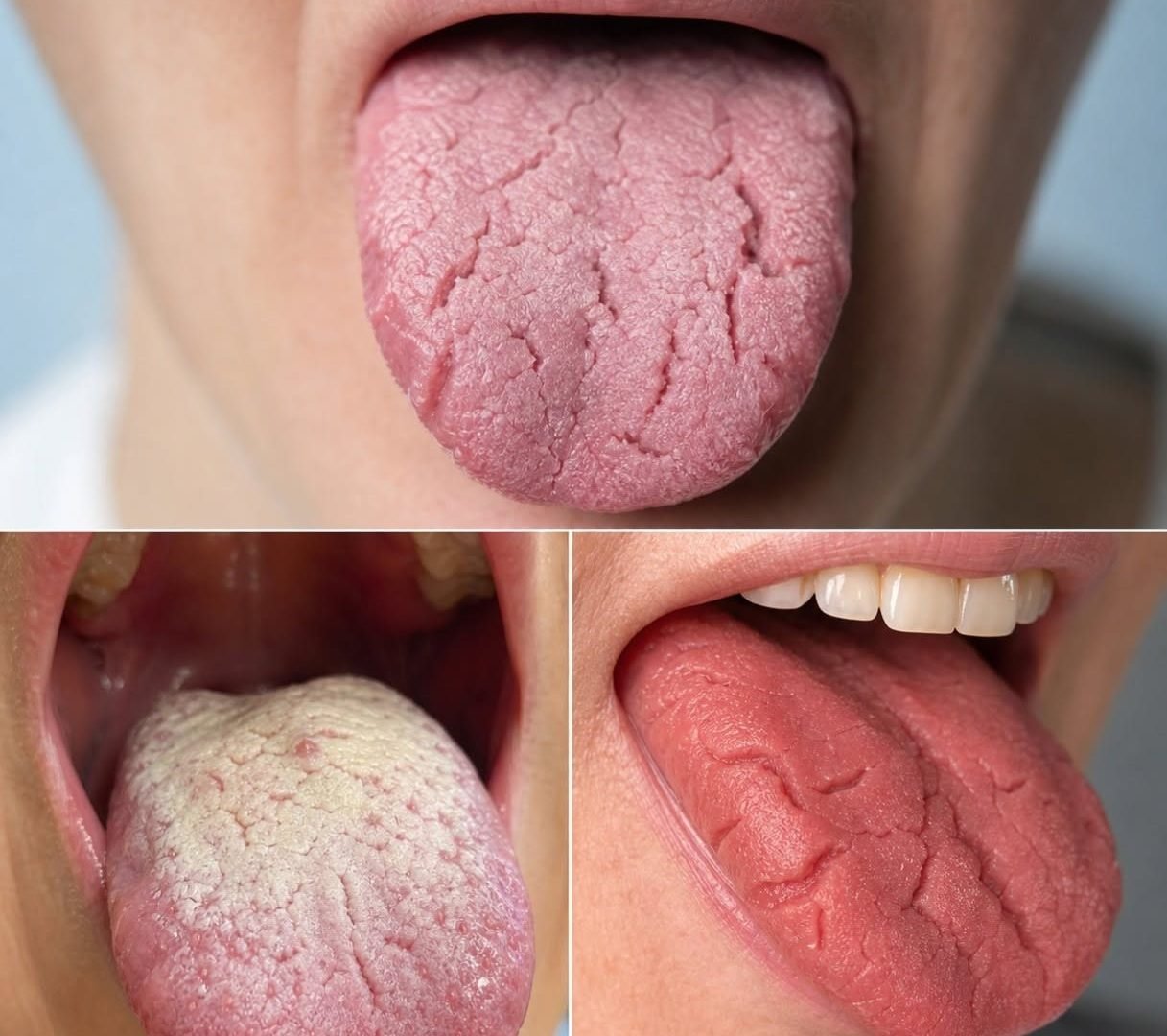
Waking Up With Dry Mouth? Here’s What Your Body Might Be Telling You
Stress and anxiety can affect saliva production.
When the body is under stress, some people experience a noticeable reduction in saliva or a sensation of dryness.
This can be particularly noticeable before an important event or during periods of prolonged anxiety.
If dry mouth comes and goes according to your stress level, that pattern may provide a useful clue.
Pregnancy and Hormonal Changes
Hormonal changes can influence many aspects of the body, including oral health.
Some people experience changes in saliva, gum sensitivity, or mouth comfort during pregnancy or other hormonal transitions.
If persistent dry mouth develops alongside other symptoms, discuss it with an appropriate healthcare professional.
What You Can Do When You Wake Up With a Dry Mouth
There are several simple steps that may help.
Drink Water
Start the morning with a glass of water if you’re thirsty.
You don’t need to force yourself to drink enormous quantities.
Brush Your Teeth
Brush gently with fluoride toothpaste.
Clean Your Tongue
A gentle tongue-cleaning routine can remove accumulated debris and bacteria.
Use Sugar-Free Gum
Chewing sugar-free gum can stimulate saliva production.
Products containing xylitol may also be useful for some people because xylitol is less favorable to cavity-causing bacteria than ordinary sugar.
However, excessive xylitol can cause digestive discomfort in some people.
Avoid Excessive Sugary Drinks
Sugary beverages can increase the risk of tooth decay, particularly when saliva production is reduced.
Water is a simple choice for hydration.
Keep Water Near the Bed
If you regularly wake thirsty, keeping a glass or bottle of water nearby can make it easier to relieve the discomfort.
However, repeated nighttime thirst shouldn’t simply be ignored if it occurs every night.
Try to determine why you’re becoming so thirsty.
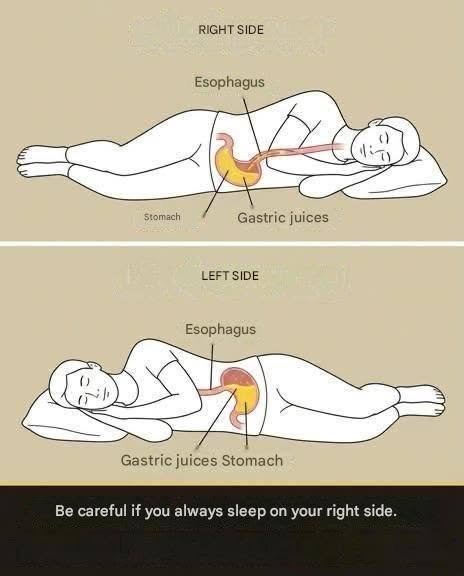
Consider Your Sleeping Position
Some people breathe more through their mouth in certain sleeping positions.
If you notice that your mouth is especially dry after sleeping in a particular position, experimenting with a different comfortable sleeping position may help.
However, don’t rely on changing position as a treatment for suspected sleep apnea.
Keep Your Nose Comfortable
If nasal congestion is causing mouth breathing, addressing the congestion may help reduce dryness.
For persistent congestion, determine the underlying cause rather than relying indefinitely on decongestant products.
Some nasal decongestants can themselves cause problems when used improperly or for too long.
Don’t Tape Your Mouth Without Understanding the Risks
Mouth taping has become popular online as a way to encourage nasal breathing during sleep.
However, it isn’t appropriate for everyone.
If you have nasal obstruction, significant snoring, suspected sleep apnea, respiratory disease, or another condition affecting breathing, deliberately preventing the mouth from opening could be unsafe.
Don’t use mouth tape as a substitute for evaluating nighttime breathing problems.
When Should You See a Dentist?
Consider discussing persistent dry mouth with a dentist if:
Your mouth is dry most days
You frequently develop cavities
Your gums bleed or become irritated
You have persistent bad breath
Your tongue frequently burns
You have difficulty swallowing dry food
You notice persistent mouth sores
Your mouth feels unusually sticky for long periods
A dentist can evaluate your teeth, gums, tongue, and oral tissues and identify consequences of reduced saliva.
When Should You Talk to a Doctor?
A healthcare professional can help investigate possible underlying causes when dry mouth is persistent or accompanied by other symptoms.
It’s particularly worth discussing if you also have:
Excessive thirst
Frequent urination
Loud snoring
Gasping during sleep
Significant daytime sleepiness
Persistent nasal obstruction
Multiple medication changes
Unexplained weight changes
Ongoing fatigue
The goal isn’t to assume the worst.
It’s to identify the most likely explanation.
A Simple Nighttime Routine
If waking with dry mouth is becoming a regular problem, try establishing a consistent bedtime routine.
Before bed:
Drink enough fluids during the evening without overdoing it.
Brush thoroughly with fluoride toothpaste.
Clean between your teeth.
Keep the bedroom comfortably humidified if the air is very dry.
Address obvious nasal congestion appropriately.
Avoid smoking.
Limit alcohol close to bedtime.
Review medications with a healthcare professional if dryness began after starting one.
And most importantly, pay attention to your breathing during sleep.
Don’t Ignore Persistent Dry Mouth
An occasional dry mouth is usually not a reason for alarm.
You might simply have slept with your mouth open, eaten salty food, exercised heavily the previous day, or spent the night in a dry room.
The situation is different when dry mouth becomes a regular occurrence.
Persistent dryness can affect your teeth and oral tissues, and it can sometimes be associated with medication effects, nasal obstruction, sleep-related breathing problems, dehydration, or other health conditions.
The important thing is not to jump to a frightening conclusion.
Instead, look for patterns.
Ask yourself:
Do I snore?
Do I wake up breathing through my mouth?
Is my nose usually blocked?
Did I recently start a medication?
Am I drinking enough throughout the day?
Is my bedroom extremely dry?
Am I also unusually thirsty or urinating frequently?
These clues can help identify what may be contributing to the problem.
Final Thoughts
Waking up with a dry mouth doesn’t necessarily mean that something is seriously wrong with your body.
In many cases, the explanation is simple: mouth breathing, nasal congestion, dry air, dehydration, alcohol, smoking, or medication effects.
But if your mouth is dry almost every morning, it’s worth paying attention to the pattern.
Persistent dry mouth can increase the risk of dental problems because saliva plays an important role in protecting the mouth.
And when dry mouth occurs together with loud snoring, gasping during sleep, severe daytime tiredness, excessive thirst, frequent urination, or other persistent symptoms, it deserves a proper conversation with a healthcare professional.
The most useful response isn’t to panic or search for one miracle remedy.
Instead, identify the cause, protect your oral health, stay appropriately hydrated, and get persistent or concerning symptoms evaluated.
Your mouth can sometimes provide useful clues about what is happening elsewhere in your daily routine—and paying attention to those clues can be a simple step toward better overall health.