Waking Up With Dry Mouth? Here’s What Your Body Might Be Telling You
Smoking can contribute to oral dryness and irritation.
Tobacco smoke exposes the mouth to numerous chemicals and can affect oral tissues and saliva.
Smokers may also experience more noticeable bad breath and oral discomfort.
If you smoke, reducing or stopping tobacco use has benefits far beyond dry mouth, including better oral and cardiovascular health.
11. Vaping Can Also Cause Dryness
Vaping can cause a dry or irritated mouth for some users.
Certain ingredients in vaping liquids can contribute to dryness, and repeated exposure can leave the mouth feeling uncomfortable.
If you notice that dry mouth became more frequent after starting or increasing vaping, this may be worth considering.
12. Mouthwash Can Sometimes Make Dryness Worse
Some mouthwashes can leave the mouth feeling dry, particularly formulations containing alcohol.
If you regularly use mouthwash and notice that your mouth feels increasingly dry afterward, consider switching to a product specifically formulated for dry mouth.
Mouthwash should complement brushing and flossing, not replace them.
Why Saliva Matters So Much
Saliva is a natural protective system.
It helps:
Lubricate the mouth
Make swallowing easier
Begin digestion
Wash away food particles
Protect teeth from acids
Support normal oral tissues
Help control the oral environment
When saliva production is consistently reduced, the risk of certain oral problems can increase.
That’s why chronic dry mouth is more than just an uncomfortable feeling.
Dry Mouth and Bad Breath
Morning breath is common.
Saliva production naturally decreases during sleep, allowing bacteria and odor-producing compounds to accumulate.
If your mouth is especially dry, this effect can become more noticeable.
A dry mouth can therefore contribute to:
Bad breath
An unpleasant taste
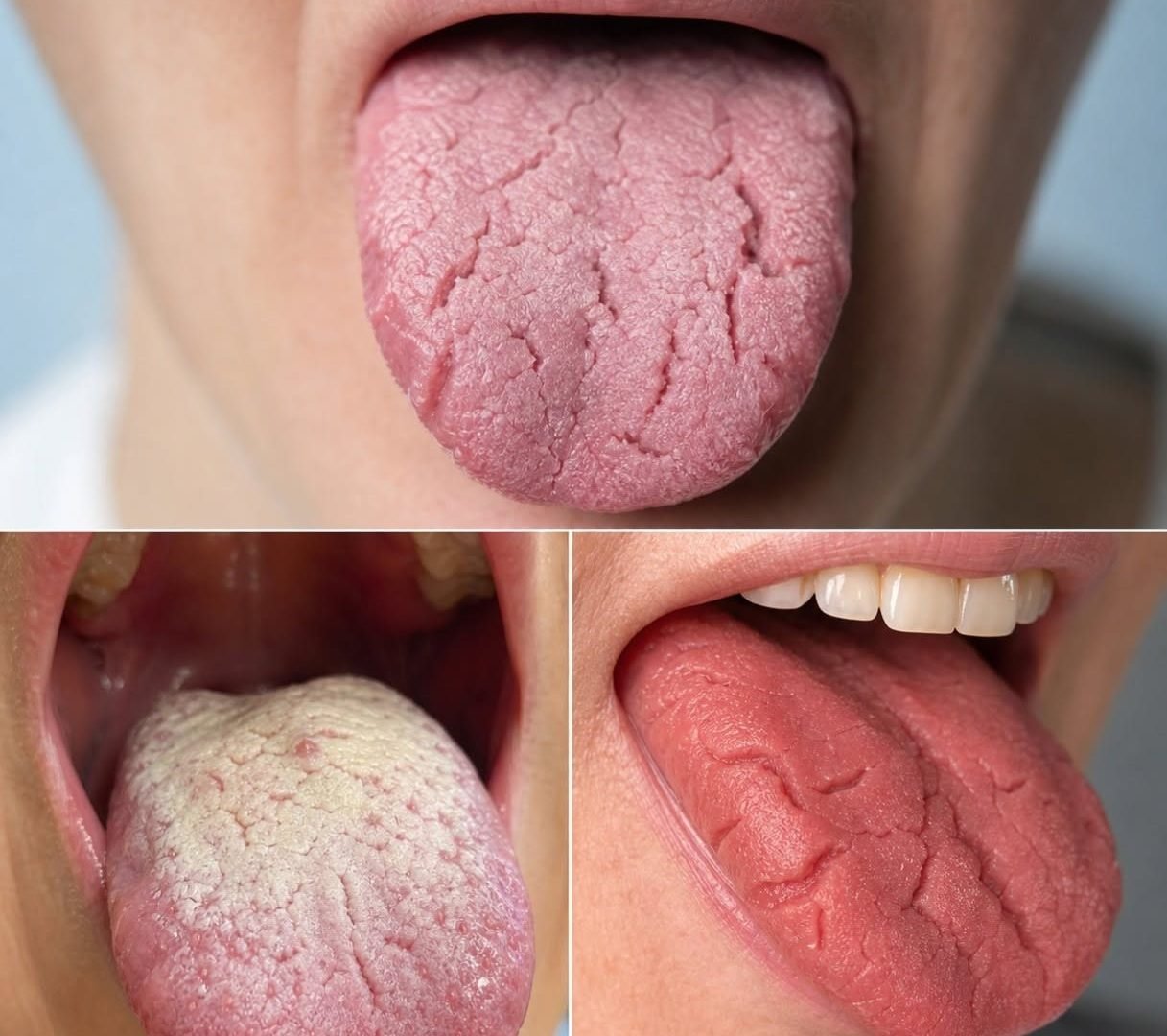
A coated tongue
Drinking water after waking and maintaining good oral hygiene can help.
However, persistent bad breath may have other causes and shouldn’t automatically be blamed on dehydration.
Dry Mouth and Tooth Decay
This is one of the most important reasons to take persistent dry mouth seriously.
Saliva helps protect teeth.
When there is less saliva, the mouth may lose some of its natural ability to neutralize acids and wash away food particles.
Over time, this can contribute to a higher risk of:
Tooth decay
Cavities
Gum problems
Oral irritation
Difficulty wearing dentures
If you regularly wake with a very dry mouth, maintaining excellent dental hygiene becomes especially important.
Dry Mouth Can Affect Your Tongue
A dry mouth can make the tongue feel:
Sticky
Rough
Burning
Coated
Uncomfortable
You may notice a white or yellowish coating on the tongue.
A coated tongue can have many causes, including normal accumulation of bacteria and debris.
It isn’t automatically a sign of a serious disease.
Gentle tongue cleaning can help remove buildup, but avoid aggressive scraping that irritates the tissue.
What About a Burning Mouth?
Some people with persistent dryness experience burning or tingling sensations involving the tongue, lips, or other parts of the mouth.
This can have several possible causes.
Dryness is one possibility, but nutritional deficiencies, irritation, medications, oral conditions, and other factors can also contribute.
If burning persists, professional evaluation is appropriate.
Could Dry Mouth Be Related to Diabetes?
Persistent excessive thirst and dry mouth can sometimes occur with high blood sugar.
Other symptoms may include:
Frequent urination
Increased thirst
Unusual fatigue
Blurred vision
Unexplained weight changes
Slow-healing wounds
These symptoms don’t automatically mean someone has diabetes.
But if several occur together, especially if they persist, discussing them with a healthcare professional and obtaining appropriate testing may be sensible.
What About Dehydration?
Dry mouth can be one symptom of dehydration.
Other signs can include:
Strong thirst
Darker urine
Dizziness
Fatigue
Headache
Reduced urination
Urine color can vary for many reasons, so it shouldn’t be used as the only measure of hydration.
The best approach is to pay attention to thirst, fluid intake, urine output, and other symptoms together.