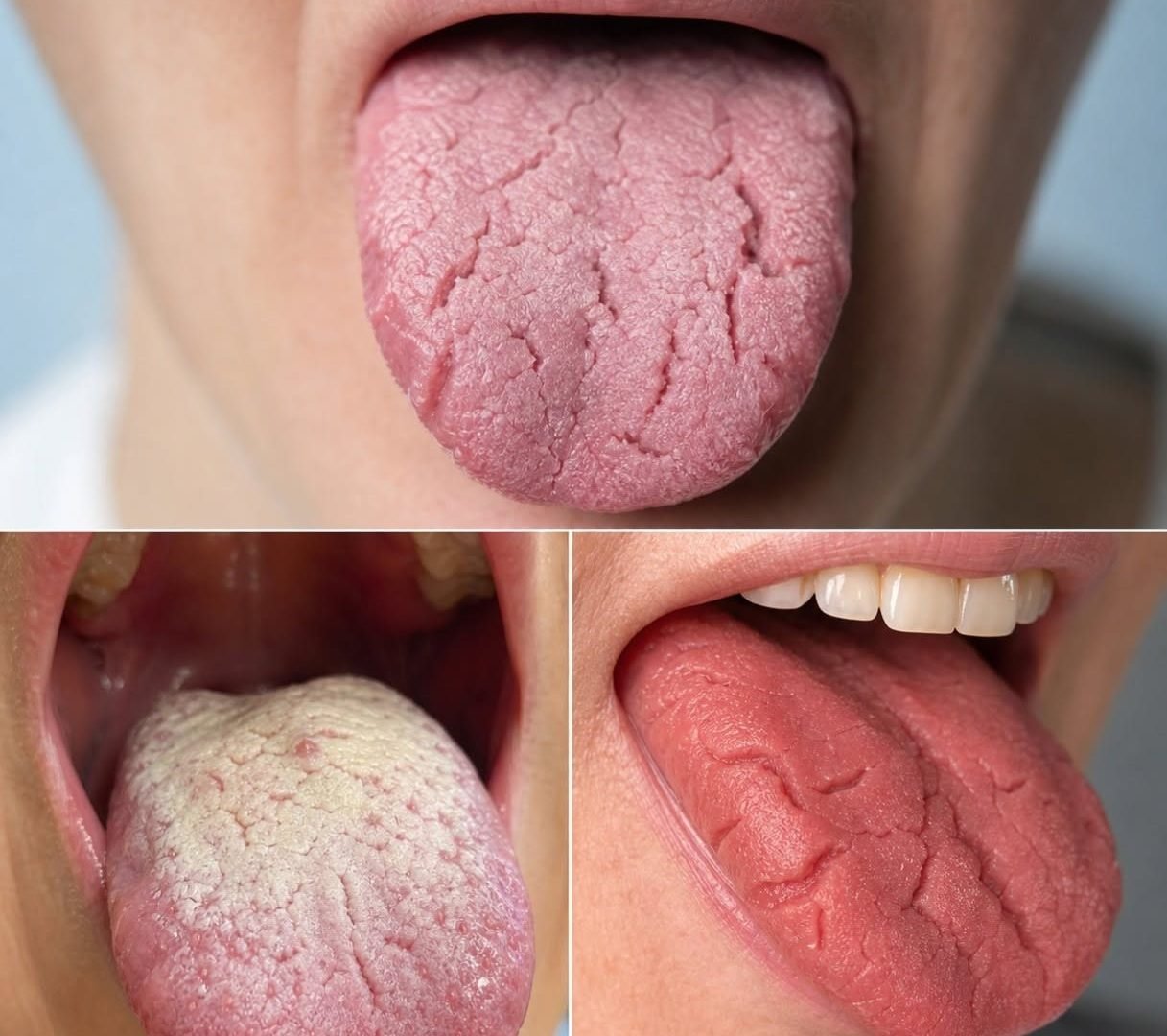
Waking Up With Dry Mouth? Here’s What Your Body Might Be Telling You
Snoring and dry mouth frequently occur together.
When someone snores, their airflow can pass repeatedly through the mouth and throat, particularly if the mouth remains open.
The result can be significant dryness by morning.
Occasional snoring isn’t necessarily a serious problem.
However, loud or persistent snoring accompanied by other symptoms deserves more attention.
4. Sleep Apnea
One condition worth knowing about is obstructive sleep apnea.
During sleep apnea, the upper airway repeatedly becomes partially or completely blocked, causing interruptions in normal breathing.
People with sleep apnea may experience symptoms such as:
Loud snoring
Gasping or choking during sleep
Frequent nighttime awakenings
Morning headaches
Excessive daytime sleepiness
Difficulty concentrating
Dry mouth upon waking
Not everyone with dry mouth has sleep apnea.
Dry mouth by itself is not enough to diagnose the condition.
But if several of these symptoms occur together, talking with a healthcare professional can be worthwhile.
5. Not Drinking Enough During the Day
Hydration can also influence how your mouth feels in the morning.
If you haven’t consumed enough fluids during the day, you may wake feeling thirsty and dry.
This can be more noticeable after:
Exercise
Hot weather
Heavy sweating
Fever
Vomiting
Diarrhea
Long periods without drinking
However, drinking excessive amounts of water immediately before bed isn’t necessarily the solution.
It may simply cause you to wake repeatedly to use the bathroom, which can interfere with sleep.
A better approach is maintaining adequate hydration throughout the day.
6. Alcohol Can Contribute to Dryness
Alcohol can contribute to dehydration and may also affect sleep quality.
If you notice that your mouth is particularly dry after consuming alcohol, that may be part of the explanation.
Alcohol can also worsen snoring in some people, which can further contribute to nighttime mouth breathing.
Reducing alcohol consumption, particularly close to bedtime, may improve both sleep quality and morning mouth dryness.
7. Caffeine May Play a Role
Coffee, tea, energy drinks, and other caffeinated beverages are commonly consumed throughout the day.
Caffeine doesn’t automatically cause significant dehydration in people who regularly consume it, but some caffeinated drinks can contribute to a dry-mouth sensation, especially when consumed in large quantities.
If you drink several cups of coffee and rarely drink plain water, consider looking at your overall fluid intake.
You don’t necessarily need to eliminate caffeine.
The goal is balance.
8. Medications Can Cause Dry Mouth
One of the most overlooked causes of persistent dry mouth is medication.
Many medications can reduce saliva production or contribute to a dry-mouth sensation.
Examples can include certain:
Allergy medications
Decongestants
Antidepressants
Blood-pressure medications
Pain medications
Medications for anxiety
Medications for bladder problems
Other prescription or over-the-counter drugs
If your dry mouth began after starting a new medication, don’t stop taking the medication on your own.
Instead, discuss the symptom with your doctor or pharmacist.
Sometimes the dose, timing, or medication can be adjusted if appropriate.
9. Dry Bedroom Air
The environment where you sleep can make a difference.
Very dry indoor air can contribute to dryness of the skin, nose, throat, and mouth.
Heating systems and air conditioning can reduce indoor humidity.
If you wake with a dry mouth, dry throat, dry nose, and dry skin, the bedroom environment may be contributing.
Maintaining comfortable humidity and avoiding excessively dry air can help some people.