Doctors Reveal What Eating Bananas at Night Can Do to Your Body
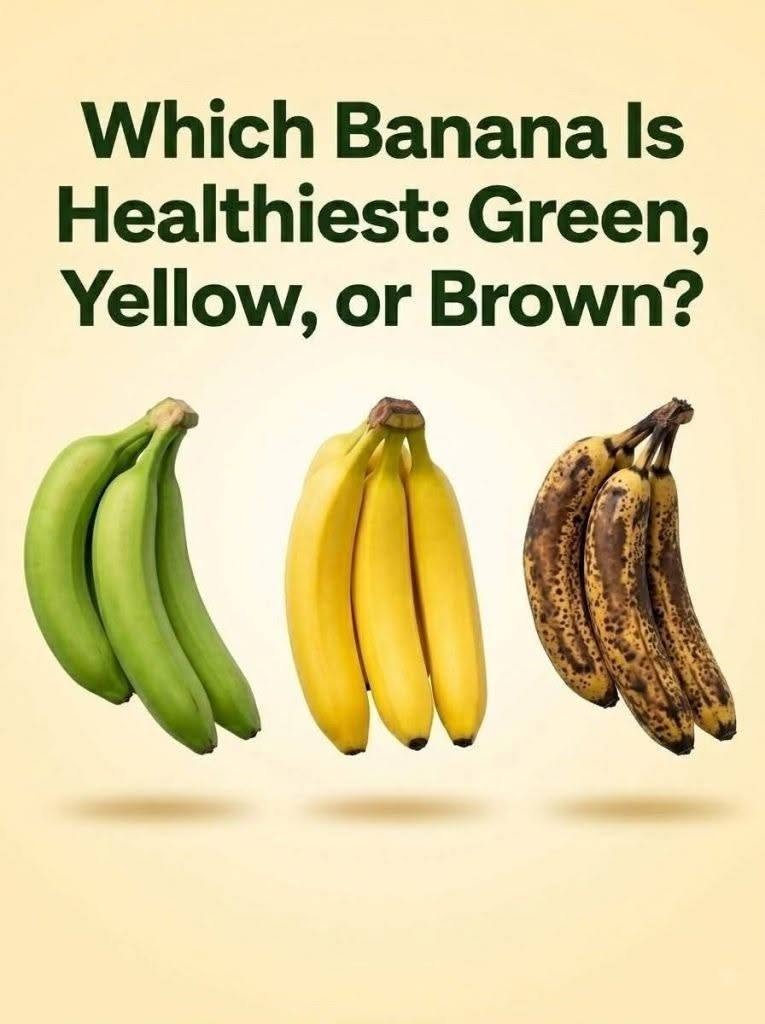
A person monitoring blood glucose may find that a smaller banana paired with a protein-rich food affects blood sugar differently from a large, very ripe banana eaten alone.
9. Does Eating a Banana at Night Cause Mucus?
Another popular claim says that bananas eaten at night cause excessive mucus or congestion.
There is no general reason for healthy people to believe that eating a banana before bed automatically creates harmful mucus.
Some individuals may notice throat sensations or digestive symptoms after particular foods, but that doesn’t mean bananas universally increase mucus production.
If a food consistently causes an unpleasant reaction for you, it’s worth paying attention to the pattern and discussing persistent symptoms with a healthcare professional.
10. Bananas Are Not a “Detox” Food
You may also see claims that eating bananas at night cleans the kidneys, removes toxins, or flushes harmful substances from the body.
These claims are misleading.
Your kidneys and liver already perform the body’s normal waste-processing functions.
A banana provides nutrients and water, but it doesn’t perform a special overnight detox.
You don’t need to follow a fruit detox program to support normal kidney or liver function.
Can You Eat a Banana Before Bed?
For most healthy adults, yes.
There is no universal medical rule saying that bananas must be avoided at night.
If you enjoy a banana in the evening and it doesn’t cause digestive problems, it can be a perfectly reasonable snack.
The important question isn’t simply “What time did I eat the banana?”
A better question is:
“Does this food fit into my overall diet and my individual nutritional needs?”
When Might You Want to Avoid a Banana at Night?
There are a few situations where an individual may choose a different evening snack.
If eating a large banana shortly before lying down makes you feel overly full, uncomfortable, or causes digestive symptoms, give yourself more time between eating and going to bed.
People with diabetes may need to consider the carbohydrate content and portion size as part of their blood-glucose management plan.
People with kidney disease may need to monitor potassium intake.
And anyone with a known banana allergy should avoid bananas.
These situations are different from the claim that bananas are inherently unhealthy at night.
What Is the Best Time to Eat a Banana?
There isn’t one universally “perfect” time.
You can eat a banana:
In the morning
Before exercise
After exercise
As an afternoon snack
With breakfast
As part of lunch
In the evening
The best time depends on your appetite, schedule, activity level, and dietary needs.
For many people, convenience matters more than the clock.
The Bottom Line
Eating a banana at night is not inherently harmful for most healthy people.
A banana provides carbohydrates, fiber, potassium, vitamin B6, and other nutrients. It can be a convenient alternative to highly processed desserts or snacks.
It does not automatically cause weight gain simply because you eat it after dinner, and there is no strong reason to believe that eating a banana at night universally causes harmful mucus or damages healthy kidneys.
The important exceptions are individual circumstances, particularly conditions involving blood-glucose management, kidney function, allergies, or digestive intolerance.
So if you enjoy a banana before bed and it agrees with your body, there’s generally no reason to fear the clock.
A banana is still a banana—whether you eat it at 8 in the morning or 10 at night.