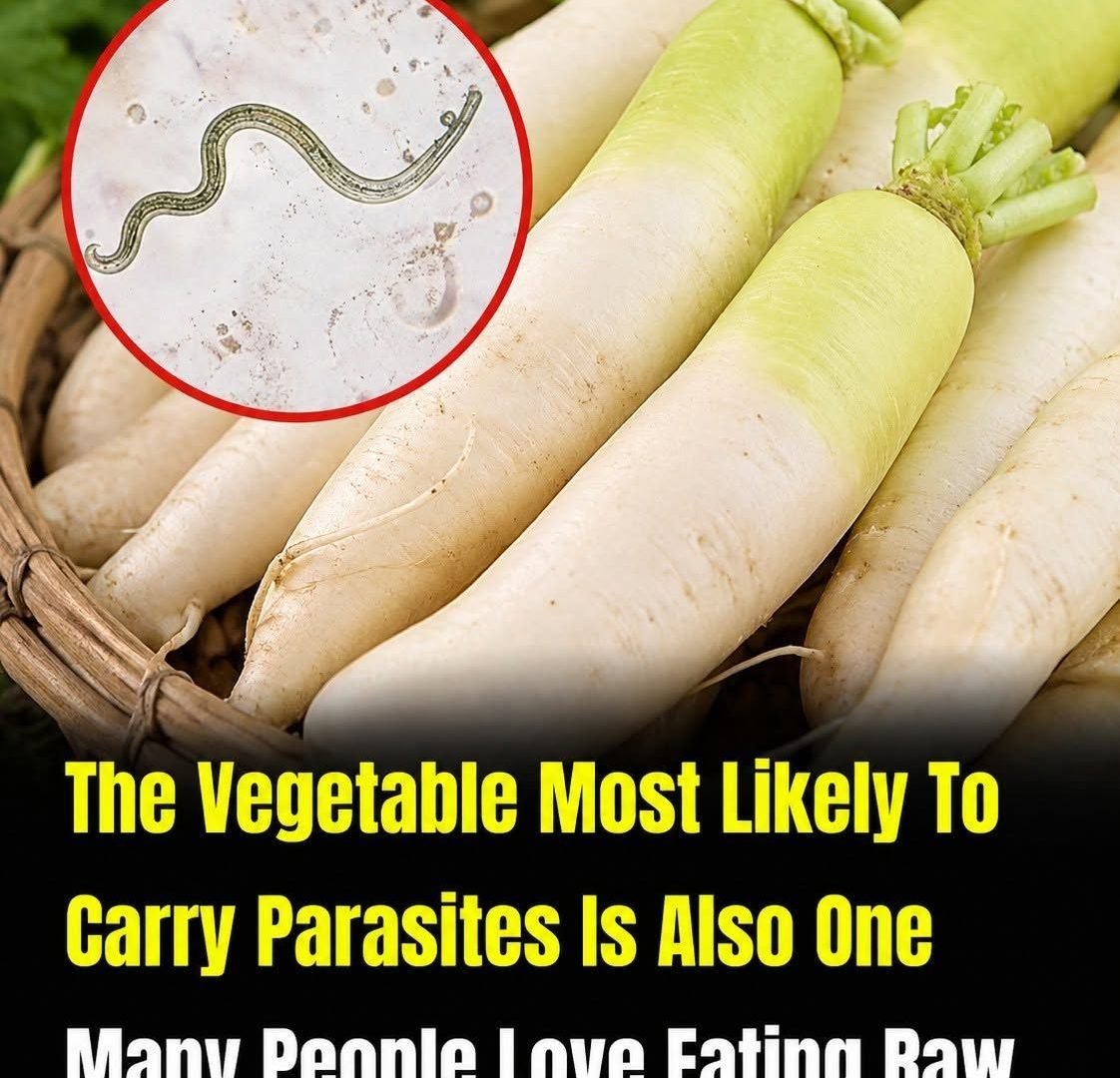
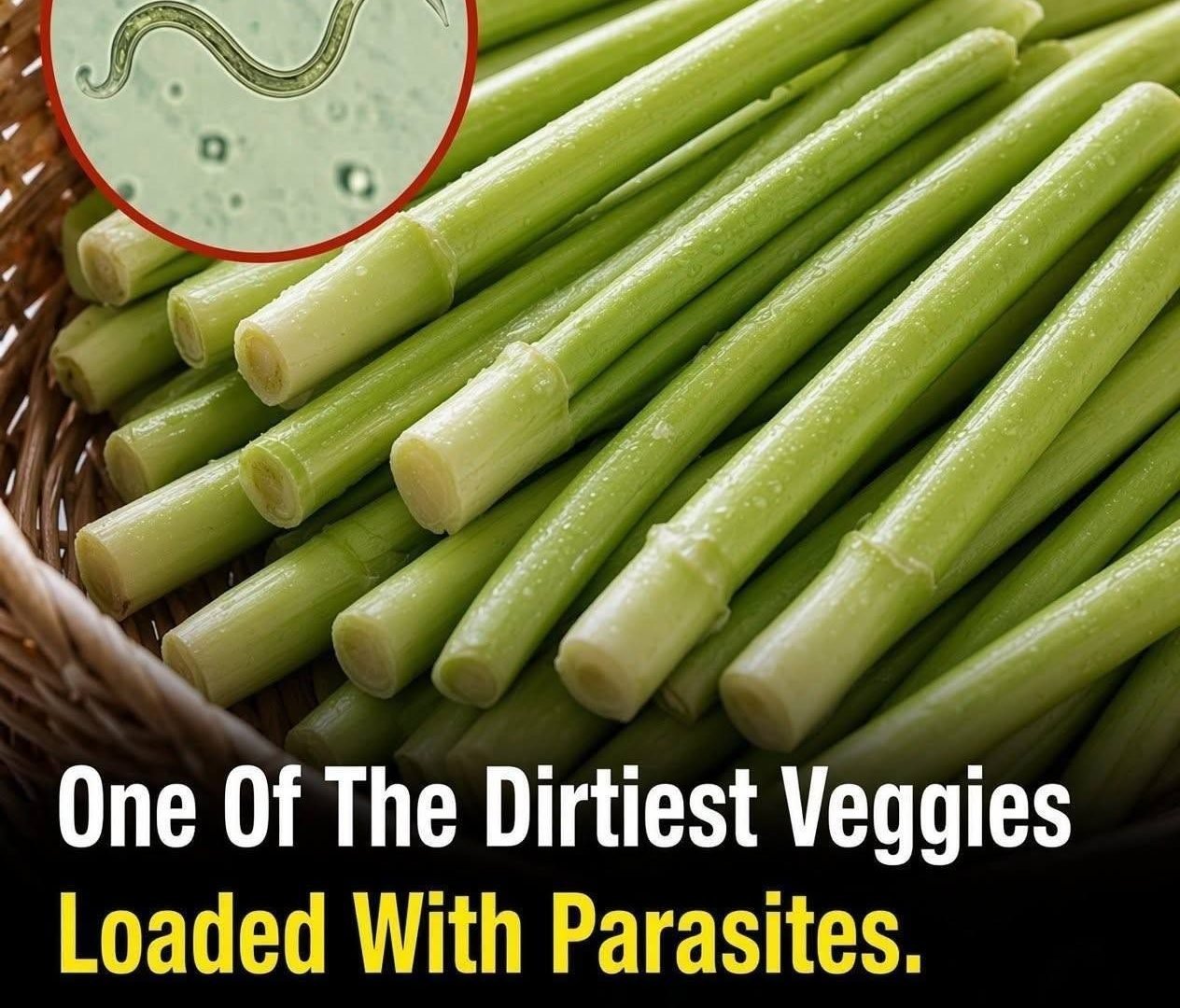
“Doctors Warn: Limit Eating These 4 Foods Immediately Because They Contain Lots of Parasites” — What You Should Really Know
Although the headline is exaggerated, there is a legitimate food-safety issue behind it.
Parasites can infect humans through food.
Some are transmitted through raw or undercooked fish.
Others can be associated with undercooked meat.
Some are associated with raw freshwater crustaceans.
Others can be acquired from contaminated plants or produce.
So the correct message is not:
“Stop eating these foods immediately.”
A more accurate message would be:
“Be careful with raw, undercooked, contaminated, or improperly handled foods because some can transmit parasites and other foodborne infections.”
That distinction is extremely important.
Parasites Are Not the Only Foodborne Risk
Another problem with the viral image is that it focuses entirely on parasites.
Foodborne illness can also be caused by bacteria and viruses.
Raw or undercooked foods may carry organisms such as Salmonella, certain strains of E. coli, Campylobacter, Listeria, norovirus, and others.
Therefore, cooking food properly protects you against more than just parasites.
Food safety is a much broader subject than parasite prevention.
Who Needs to Be Especially Careful?
Certain people have a greater risk of developing serious complications from foodborne infections.
This includes:
Pregnant women
Young children
Older adults
People with weakened immune systems
People with certain chronic illnesses
For these groups, avoiding raw or undercooked high-risk foods can be particularly important.
Pregnancy is especially important because some foodborne infections can have serious consequences for the developing baby.
People with weakened immune systems may also become much more seriously ill from infections that might cause only mild symptoms in a healthy person.
What Happens If Someone Gets a Foodborne Parasite?
Symptoms depend on the particular parasite and the amount of exposure.
Some infections may cause no obvious symptoms for a long time.
Others can produce:
Abdominal pain
Diarrhea
Nausea
Vomiting
Loss of appetite
Weight loss
Fatigue
Fever
Digestive discomfort
Some parasites can affect organs outside the digestive tract, depending on the species.
This is why persistent or unexplained symptoms after consuming potentially contaminated food should not simply be ignored.
If you think you have a parasitic infection, a healthcare professional can determine whether testing is appropriate.
Do not take random “parasite cleanses” or unproven treatments simply because you saw a social-media post.
Can You See Parasites in Food?
Sometimes people see unusual structures in seafood or meat and immediately assume they are parasites.
That is not always correct.
Food can contain many normal structures that look unusual when photographed close up.
For example, pieces of tissue, connective material, blood vessels, organs, membranes, eggs, or other natural structures can look like worms or parasites.
On the other hand, actual parasites can sometimes be visible.
A photograph alone may not be enough to identify what something is.
If you find something unusual in food, particularly if the food was raw or undercooked, do not eat it simply because you cannot determine what it is.
Does Washing Meat Remove Parasites?
Washing raw meat is not a reliable way to eliminate parasites or harmful microorganisms.
In fact, washing raw poultry or meat can spread contaminated droplets around the kitchen.
The safer approach is to keep raw animal products contained, prevent cross-contamination, and cook them properly.
Use separate utensils and cutting boards when appropriate, and wash your hands thoroughly after handling raw meat or seafood.
Does Lemon Juice Kill Parasites in Raw Seafood?
This is another common misunderstanding.
Some raw seafood dishes are prepared with acidic ingredients such as lemon or lime juice.
Although acid can change the texture and appearance of seafood, it should not automatically be considered a substitute for proper cooking or parasite-control procedures.
Raw seafood should be treated as raw seafood even if it has been soaked in citrus juice.
If you are concerned about parasites, properly cooking the seafood is a much more dependable approach.
What About Salt, Vinegar, or Alcohol?
Social media frequently promotes home methods involving salt, vinegar, alcohol, spices, or other ingredients as ways to kill parasites in raw food.
These methods should not be assumed to make potentially contaminated food safe.
Food safety depends on appropriate handling and preparation methods.
A strong taste or change in texture does not necessarily mean that harmful organisms have been eliminated.