Eating Bananas in the Evening: What Really Happens to Your Body?
7. Bananas Provide Fiber
Fiber is an important part of a healthy diet.
A banana contains dietary fiber, which contributes to normal digestive function.
The amount of fiber varies according to the banana’s size and ripeness.
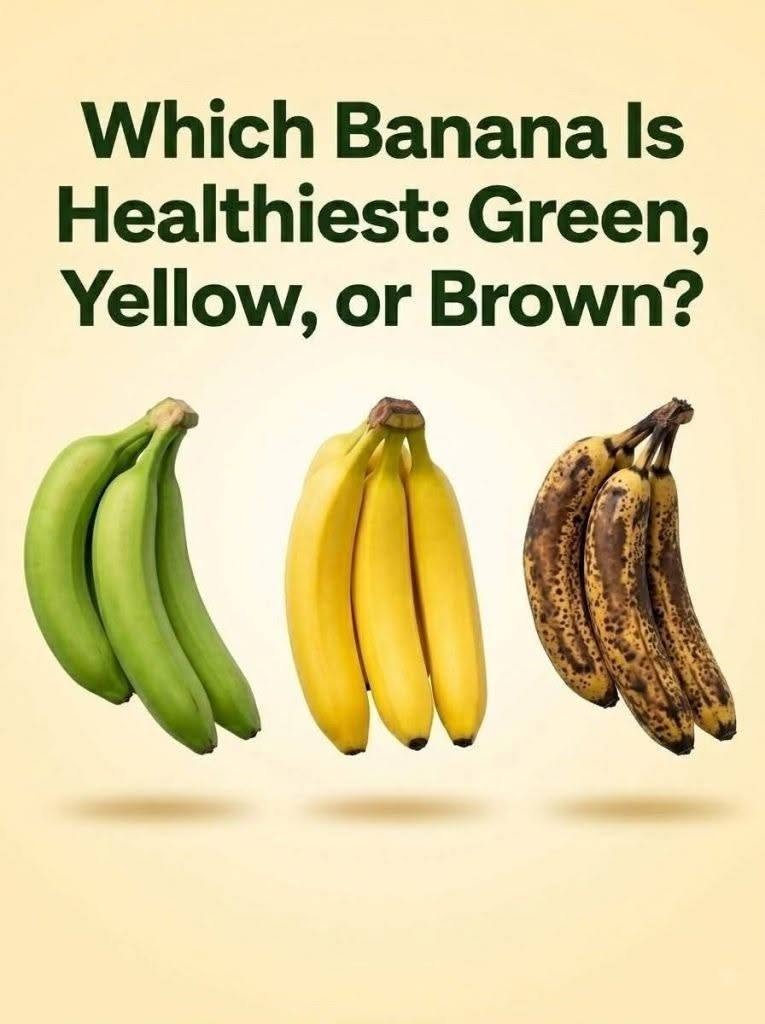
Green or less-ripe bananas contain more resistant starch, while ripening changes the composition of the carbohydrates and makes the fruit softer and sweeter.
This is one reason people may respond differently to bananas depending on their ripeness and individual digestion.
8. Can Eating a Banana at Night Cause Weight Gain?
This is another common misconception.
Eating a banana in the evening does not automatically cause weight gain.
Body weight is influenced primarily by overall energy intake, energy expenditure, dietary pattern, physical activity, genetics, and other factors.
A banana contains calories, just like any other food, but the simple fact that it is eaten at night doesn’t magically change those calories into body fat.
If someone regularly consumes more calories than their body needs, weight gain can occur regardless of whether those calories come from food eaten in the morning, afternoon, or evening.
Therefore, there is no special rule saying that bananas must be avoided after a particular hour.
9. The Portion Still Matters
Although bananas are nutritious, eating unlimited amounts of any food isn’t necessary.
If you are having a banana as an evening snack, one serving may be enough for many people.
Someone who is very physically active may have different nutritional needs from someone who is sedentary.
The best portion depends on your total diet and energy requirements.
It’s also worth remembering that a banana is a snack, not a replacement for a balanced diet.
10. What If You Have Diabetes?
People with diabetes don’t necessarily have to completely avoid bananas.
However, bananas contain carbohydrates, so portion size and the total carbohydrate content of the meal or snack can matter.
The effect on blood glucose can also vary between individuals and can depend on how ripe the banana is and what it is eaten with.
Someone managing diabetes should follow the individualized dietary advice provided by their healthcare professional rather than relying on viral claims about whether bananas are “good” or “bad” at night.
11. What If You Have Kidney Disease?
This is another situation where general nutrition advice may not apply equally to everyone.
People with significant kidney disease may need to monitor their potassium intake depending on their kidney function and medical treatment.
Because bananas contain potassium, some people with kidney problems may be advised to limit high-potassium foods.
That does not mean bananas are unhealthy for everyone.
It simply demonstrates why nutrition advice needs to take individual medical circumstances into account.
12. Bananas Can Be Combined With Other Foods
If you want a more filling evening snack, you don’t necessarily have to eat a banana by itself.