Eating Bananas in the Evening: What Really Happens to Your Body?
You can combine it with foods containing protein or healthy fats.
Examples include:
Banana with plain yogurt
Banana with a small amount of nuts
Banana with oatmeal
Banana with unsweetened peanut butter
Banana alongside a small serving of cottage cheese
The combination you choose should depend on your nutritional needs and overall eating pattern.
13. Some People May Experience Digestive Discomfort
Although bananas are easy to digest for many people, not everyone responds to them in exactly the same way.
A large banana eaten immediately before bed may feel uncomfortable for someone who is sensitive to larger meals or snacks at night.
Some people may also notice bloating or digestive discomfort depending on their individual tolerance.
If you consistently experience discomfort after eating bananas, pay attention to the amount you consume and when you eat them.
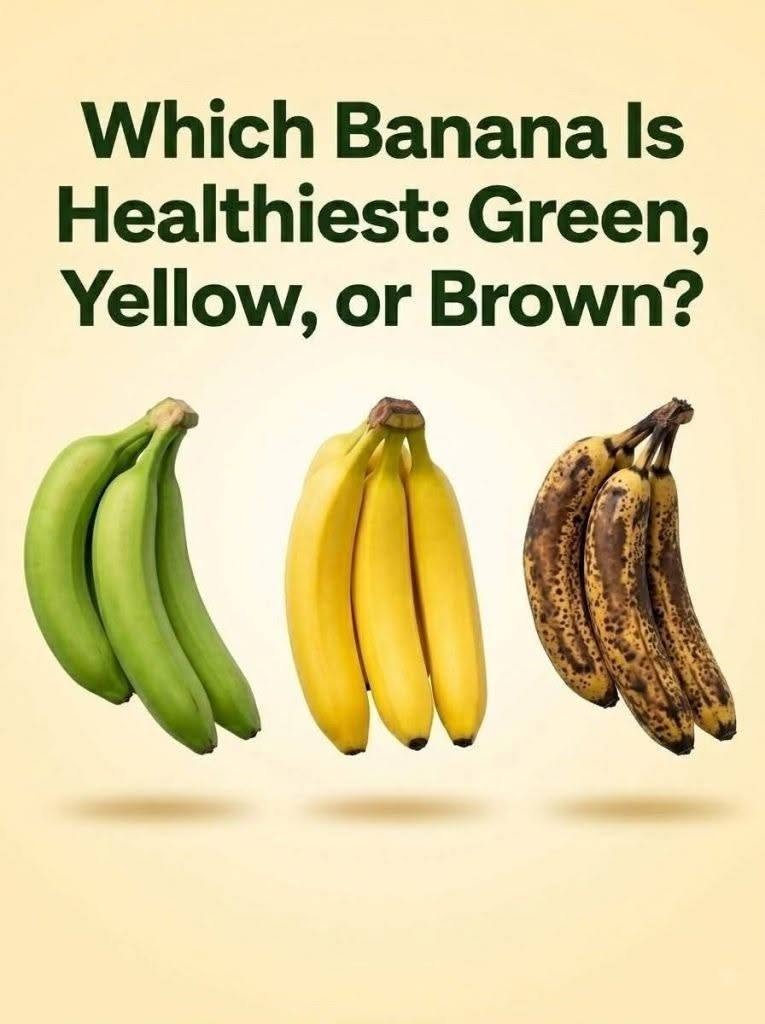
14. The Ripeness of the Banana Makes a Difference
A green banana and a very ripe banana aren’t nutritionally identical.
As bananas ripen, their starches are gradually converted into simpler sugars. This changes their texture, sweetness, and carbohydrate composition.
A ripe banana tends to taste much sweeter and softer.
This doesn’t make it an unhealthy food. It simply means that the nutritional characteristics change during ripening.
People who pay close attention to blood glucose or carbohydrate intake may want to consider the banana’s size and ripeness as part of their overall meal planning.
So, Is Eating a Banana in the Evening Healthy?
For many people, yes.
A banana can be a convenient, nutritious evening snack that provides carbohydrates, fiber, potassium, vitamin B6, and other nutrients.
But it isn’t a miracle food.
Eating a banana at night won’t automatically transform your body, burn fat, cure a health condition, or guarantee perfect sleep.
At the same time, there is generally no reason for a healthy person to fear a banana simply because it is eaten after dinner.
The important thing is the overall dietary pattern.
If your diet contains a variety of fruits, vegetables, whole grains, legumes, protein sources, and other minimally processed foods, a banana can easily fit into that pattern.
The Bottom Line
The dramatic claim that eating bananas in the evening automatically causes a major change in your body is misleading.
What actually happens is much more ordinary—but still beneficial.
A banana provides natural carbohydrates for energy, potassium for normal muscle and nerve function, vitamin B6, and dietary fiber. It can satisfy evening hunger and may be a convenient alternative to highly processed snacks.
For most healthy people, the time of day you eat a banana is less important than your overall diet and total calorie intake.
However, people with conditions that require potassium or carbohydrate management, particularly certain kidney conditions or diabetes, may need individualized dietary advice.
So if you enjoy a banana in the evening, there is no need to fear the clock. A banana is simply a nutritious fruit, and its place in your diet depends far more on your overall eating pattern than on whether you eat it in the morning or at night.