High Blood Pressure, High Cholesterol: Avoid These 3 Morning Habits
Choose Foods That Support Both Blood Pressure and Cholesterol
If you have both high blood pressure and high cholesterol, your diet can address both issues at the same time.
A heart-friendly eating pattern commonly emphasizes:
Vegetables
Vegetables provide fiber, vitamins, minerals and other nutrients while generally being low in calories.
Try adding vegetables to breakfast when possible.
For example:
Tomatoes
Spinach
Peppers
Mushrooms
Onions
Fruits
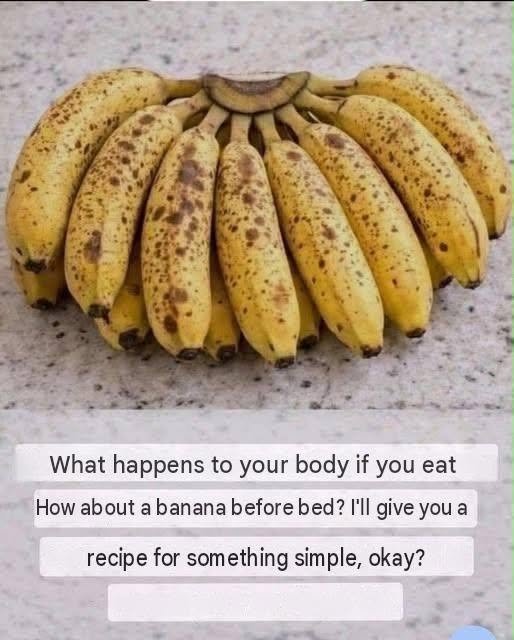
Fresh fruit can provide fiber and potassium.
Examples include:
Bananas
Apples
Oranges
Berries
Pears
If you have kidney disease or have been told to restrict potassium, however, ask your healthcare professional before deliberately increasing potassium-rich foods.
Whole grains
Oats, whole-grain bread and other whole grains can provide fiber.
Soluble fiber is particularly relevant to cholesterol management because it can help reduce the absorption of cholesterol and fats in the digestive tract. (NHLBI, NIH)
Nuts and seeds
Unsalted nuts and seeds can be useful additions to a heart-conscious diet.
Choose unsalted versions when possible if you’re trying to reduce sodium.
Beans and legumes
Beans provide fiber and plant-based protein and can fit well into a heart-healthy eating pattern.
Healthy fats
Replacing saturated fats with unsaturated fats can be beneficial for cholesterol management.
Examples include fats found in:
Olive oil
Nuts
Seeds
Avocado
Fish
The American Heart Association recommends replacing saturated fats such as those found in butter and some full-fat dairy products with healthier unsaturated fats. (www.heart.org)
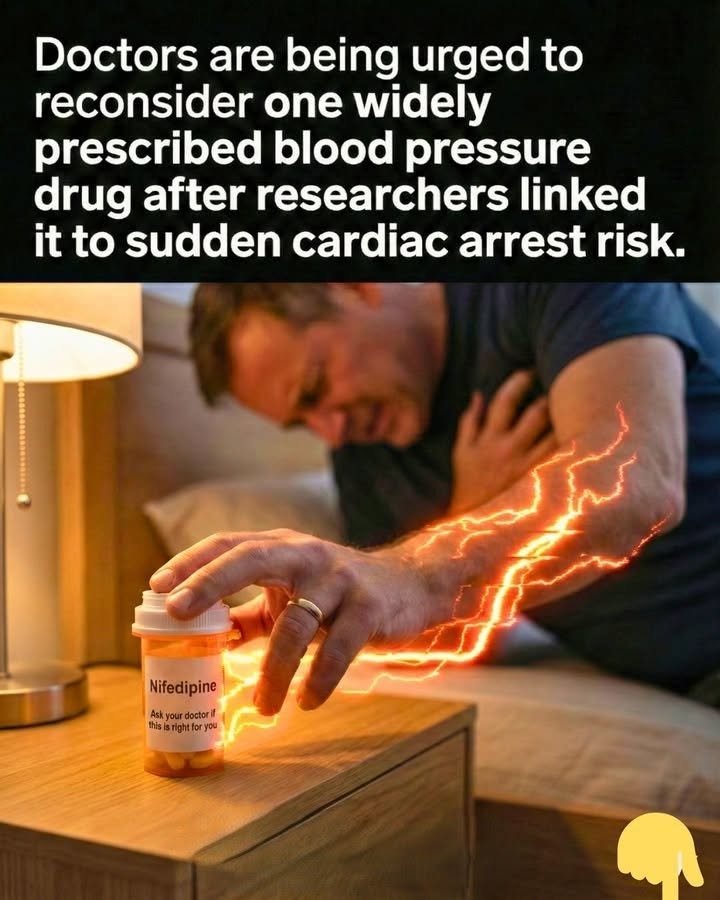
Don’t Forget About Medication
Lifestyle changes are important, but they should not be viewed as a replacement for prescribed treatment.
Some people with high blood pressure or high cholesterol can improve their numbers substantially through lifestyle changes. Others require medication because lifestyle changes alone aren’t enough.
The American Heart Association notes that medication may be needed when lifestyle measures don’t bring cholesterol down sufficiently. (www.heart.org)
The same principle applies to blood pressure.
If your doctor has prescribed medication, don’t stop taking it because you started exercising or changed your breakfast.
Instead, discuss your progress with your healthcare professional.
What Should Your Morning Routine Look Like?
There is no single perfect morning routine for everyone.
But if you’re trying to support healthier blood pressure and cholesterol levels, a simple routine might look something like this:
Step 1: Wake up and hydrate
Have water if you’re thirsty.
You don’t need a special “detox” drink to clean your arteries or lower cholesterol.
Step 2: Take prescribed medication as directed
If you have morning medication, follow the instructions provided by your healthcare professional.
Don’t change the timing or dosage without asking them.
Step 3: Eat a balanced breakfast
Focus on foods such as whole grains, fruit, vegetables, nuts, seeds and lean protein.
Keep highly processed, salty and saturated-fat-heavy foods as limited parts of your overall diet.
Step 4: Get some movement
A short walk is a simple option.
You can gradually build toward the recommended amount of weekly activity.
Step 5: Avoid tobacco
If you smoke, consider making quitting part of your long-term heart-health plan.
Step 6: Continue your day
Don’t worry about creating a “perfect” morning.
What matters most is what you do consistently over time.
What If You Have High Blood Pressure AND High Cholesterol?
Having both conditions makes cardiovascular risk management particularly important.
These conditions can occur together, and both are associated with increased cardiovascular risk.
The good news is that many of the same lifestyle changes can support both.
For example:
Less sodium → better blood-pressure management
Less saturated fat → healthier LDL cholesterol
More physical activity → benefits blood pressure, cholesterol and weight
No smoking → lower cardiovascular risk
More vegetables, fruits and whole grains → healthier overall diet
The American Heart Association recommends a combination of healthy eating, physical activity, weight management, avoiding tobacco and appropriate medical care for cardiovascular risk reduction. (www.heart.org)
Don’t Believe Every “Morning Hack” Online
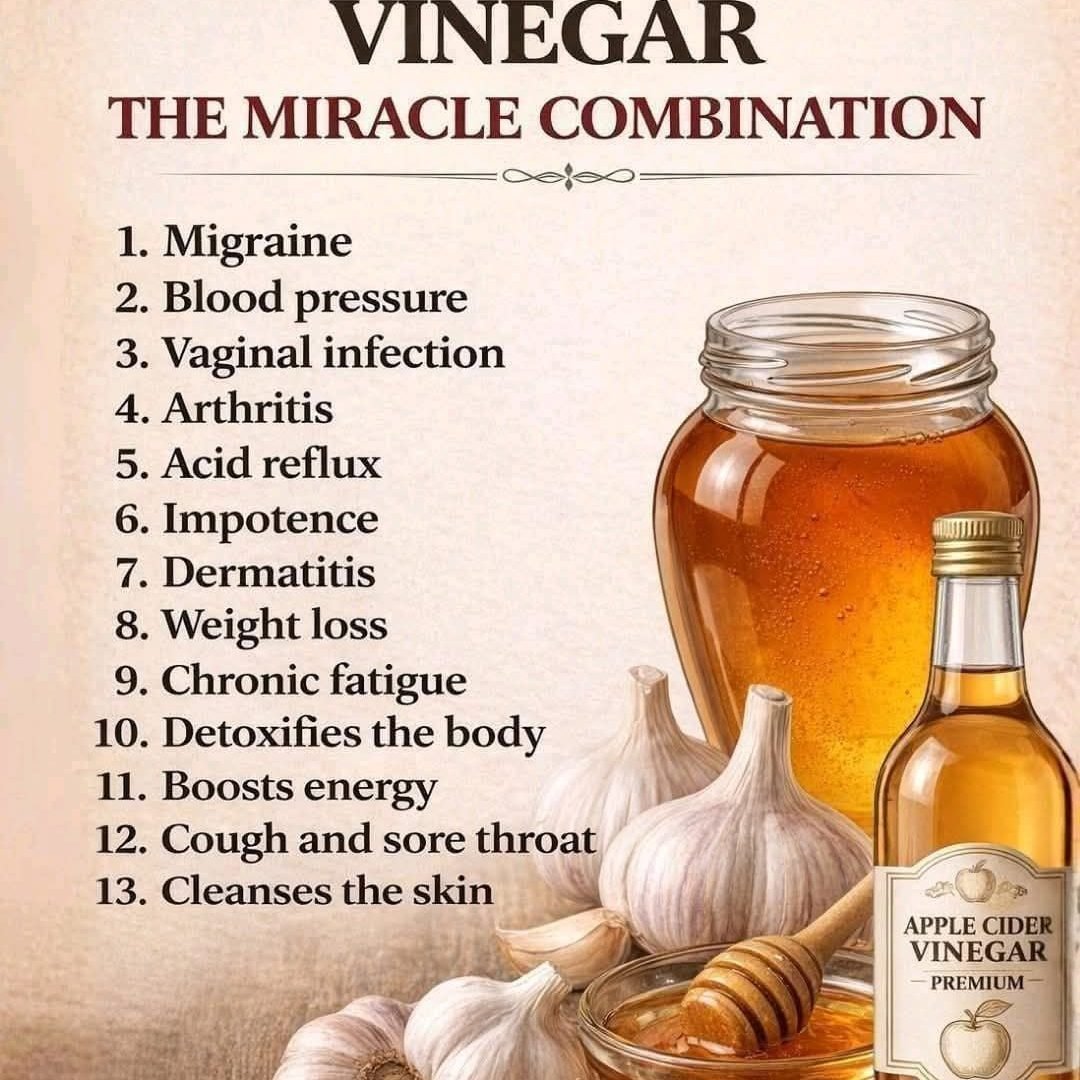
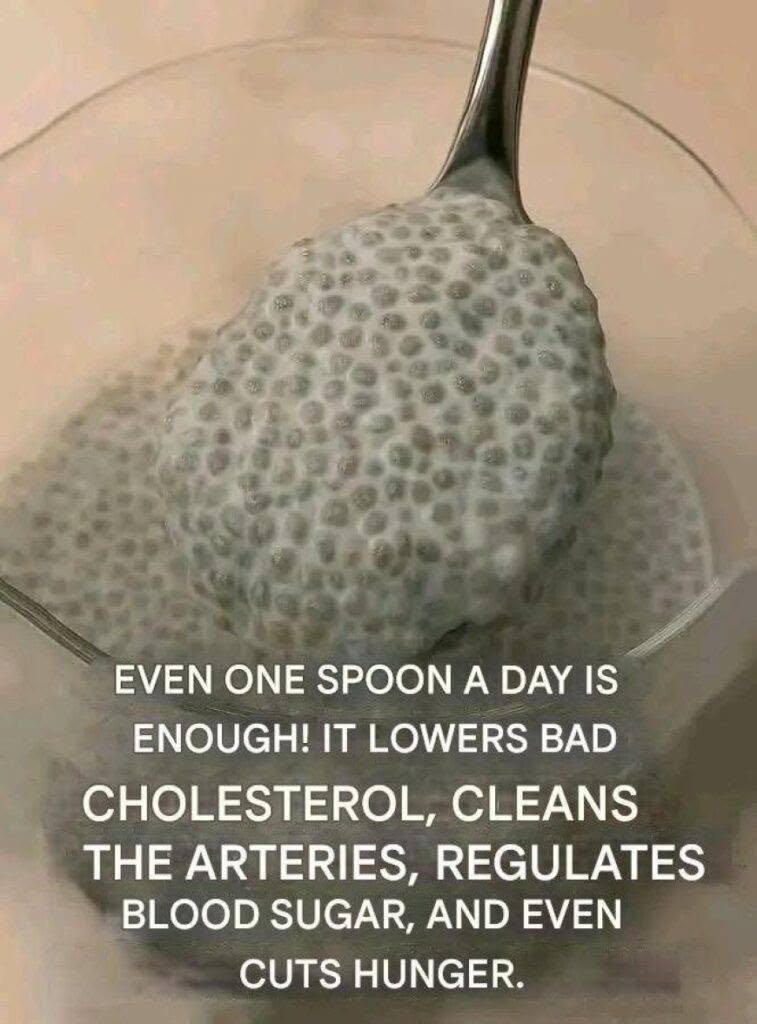
You may encounter posts claiming that a particular drink, fruit, spice, supplement or morning ritual can “clean your arteries” or dramatically lower cholesterol within days.
Be careful with these claims.
There isn’t a single breakfast food or morning drink that replaces appropriate medical treatment for hypertension or high cholesterol.
The evidence supports broader lifestyle patterns: healthy eating, regular physical activity, avoiding tobacco, maintaining a healthy weight, managing stress, getting adequate sleep and taking prescribed medication when necessary. (www.heart.org)
This doesn’t mean individual foods are irrelevant. Foods can absolutely contribute to a healthier diet. But they should be viewed as pieces of the overall picture rather than miracle treatments.
When Should You Talk to a Doctor?
If you’ve repeatedly measured elevated blood pressure, speak with a healthcare professional rather than relying solely on lifestyle tips from social media.
High blood pressure often has no obvious symptoms, which is why it is sometimes called a “silent” condition. (www.heart.org)
Similarly, you generally cannot tell whether your cholesterol is high simply by how you feel. A blood test is needed to assess cholesterol levels.
Seek urgent medical attention if you have symptoms such as chest pain, severe shortness of breath, weakness or numbness, vision changes, or difficulty speaking—particularly when these symptoms are sudden or severe. (www.heart.org)
Final Thoughts
If you have high blood pressure or high cholesterol, your morning routine is a good place to examine your habits—but don’t let the phrase “three things every morning” make you think cardiovascular health depends on a simple three-step trick.
Instead, pay attention to three practical areas:
1. Avoid starting the day with a diet consistently high in sodium and saturated fat.
2. Avoid tobacco, including smoking soon after waking.
3. Don’t spend the entire morning inactive—build regular movement into your day.
These habits are not magic cures, and they don’t replace medication or medical care when those are needed. But they fit into the evidence-based lifestyle measures recommended for managing blood pressure and cholesterol.
Most importantly, think about your overall routine rather than one individual morning. A heart-healthy breakfast, regular physical activity, avoiding tobacco, appropriate sleep, healthy weight management, and following your treatment plan can all work together to support cardiovascular health. (www.heart.org)
Your heart doesn’t need a miracle morning—it benefits from healthy habits practiced consistently over time.