If You Have a Heart Attack at Home Alone, What Should You Actually Do?
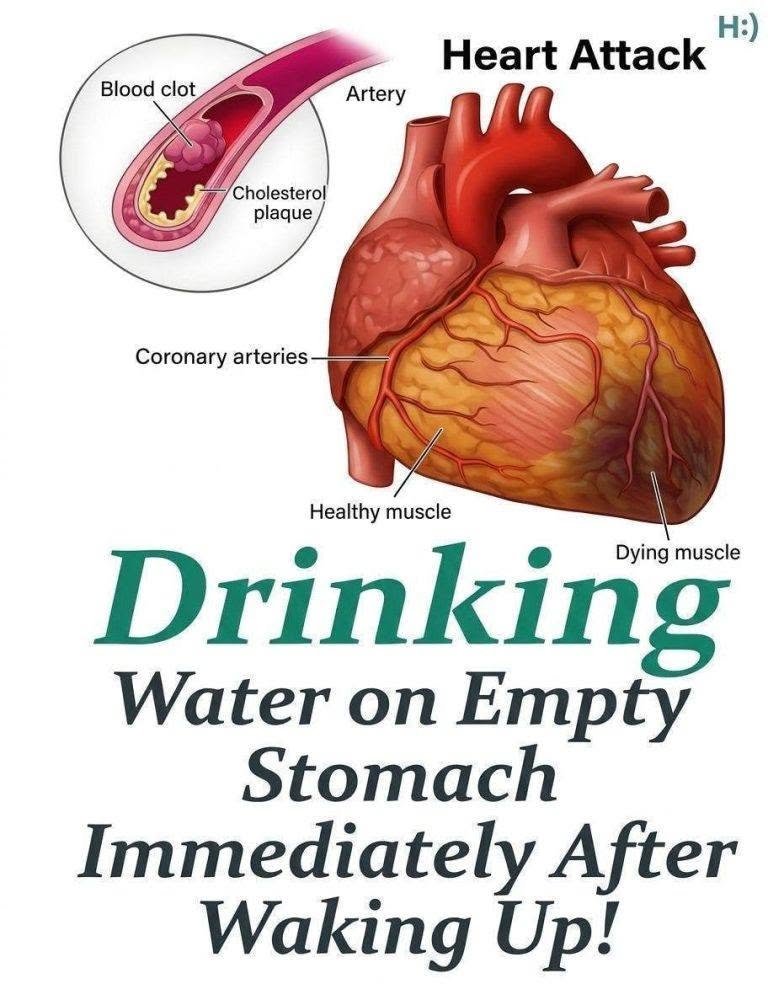
The heart is a muscle, and it needs a constant supply of oxygen.
When a coronary artery becomes blocked, the affected portion of the heart begins running short of oxygen.
The longer the blockage continues, the greater the potential for heart muscle damage.
This is why medical professionals emphasize rapid treatment.
Depending on the type of heart attack, treatment may involve medications and procedures designed to restore blood flow.
One of the most important procedures is opening the blocked artery using a catheter-based intervention such as angioplasty and stent placement.
The sooner appropriate treatment begins, the better the opportunity to limit damage.
A Heart Attack Can Become Cardiac Arrest
A particularly dangerous complication of a heart attack is cardiac arrest.
Cardiac arrest means the heart has stopped effectively pumping blood.
The person may:
Suddenly collapse
Become unconscious
Stop breathing normally
Have no signs of normal circulation
This is a different emergency from simply having chest pain.
If another person is present and someone becomes unresponsive and is not breathing normally, emergency services should be contacted immediately and CPR should begin according to dispatcher instructions. An automated external defibrillator, or AED, should be used if available.
If you’re alone, emergency dispatchers can provide instructions based on your situation.
Why You Shouldn’t Believe “Instant Cure” Posts
Health information on social media often turns complicated medical emergencies into a single dramatic instruction.
“Do this for 10 seconds.”
“Press this point.”
“Cough repeatedly.”
“Drink this.”
“Take this immediately.”
These messages are attractive because they offer a sense of control.
But heart attacks are not simple problems that can reliably be reversed with a household trick.
A blocked coronary artery may require urgent medical treatment.
The safest approach is therefore not to memorize a viral trick. It is to recognize the warning signs and know how to activate emergency medical help.
What If the Symptoms Go Away?
This is extremely important.
Suppose you experience chest pressure for five minutes and then feel completely normal.
That does not necessarily mean everything is fine.
Heart-related symptoms can come and go.
Some people delay medical care because they assume that improvement means the problem wasn’t serious.
If symptoms could indicate a heart attack, seek medical advice urgently rather than assuming the danger has passed.
The absence of pain at one particular moment does not prove that there was no heart problem.
Heart Attack Symptoms in Women
Women can experience the classic symptoms of a heart attack, including chest pressure or discomfort.
However, they may also experience symptoms such as:
Shortness of breath
Nausea
Vomiting
Unusual tiredness
Back pain
Jaw discomfort
Dizziness
These symptoms can be mistaken for other problems.
That is one reason it is important not to use the absence of dramatic chest pain as a reason to dismiss possible heart-related symptoms.
Heart Attack Symptoms in Older Adults
Older adults may also experience less typical symptoms.
Instead of severe chest pain, someone might notice:
Sudden weakness
Shortness of breath
Confusion
Dizziness
Unusual fatigue
Reduced ability to perform normal activities
The symptoms can be subtle.
When there is a sudden and unexplained change in how someone feels, particularly when risk factors for heart disease are present, medical assessment is important.
Risk Factors Matter
The risk of heart attack increases with several factors.
These include:
High blood pressure
High cholesterol
Diabetes
Smoking
Obesity
Physical inactivity
Increasing age
Family history of heart disease
Previous cardiovascular disease
Some risk factors can be modified, while others cannot.
Regular medical care can help identify conditions such as high blood pressure and high cholesterol before they cause an emergency.
Prevention Is Better Than an Emergency Trick
There is no magic 10-second technique that replaces cardiovascular prevention.
Long-term heart health involves many factors.
These can include:
Not smoking
Eating a balanced diet
Being physically active
Maintaining a healthy weight when appropriate
Managing blood pressure
Managing cholesterol
Managing diabetes
Getting adequate sleep
Following prescribed medications
Attending recommended medical appointments
These measures don’t guarantee that a heart attack will never happen, but they can reduce cardiovascular risk.
The Most Important Message From the Viral Image
The image is correct about one thing: a suspected heart attack is an emergency and acting quickly matters.
But the idea that there is a special action you can perform in ten seconds to save yourself is misleading.
There is no reliable movement, cough, breathing technique, or homemade remedy that can reopen a blocked coronary artery.
If you think you’re having a heart attack:
Stop what you’re doing.
Call emergency medical services immediately.
Follow the dispatcher’s instructions.
Rest in a safe position while waiting for help.
Do not drive yourself if emergency medical transportation is available.
Do not waste precious time trying an internet “heart attack hack.”
Final Takeaway
A heart attack can happen at home, at work, while exercising, or even while resting. Sometimes the symptoms are obvious; sometimes they are surprisingly subtle.
The safest thing to remember is not a viral 10-second trick.
Remember the warning signs: chest pressure or discomfort, pain spreading to the arm, back, neck, jaw, or upper abdomen, shortness of breath, sweating, nausea, dizziness, or unexplained severe weakness.
If these symptoms make you suspect a heart attack, get emergency medical help immediately.
The most powerful action you can take is not coughing, exercising, drinking something, or performing a special maneuver.
It is getting professional medical care as quickly as possible.