Warning! If You Find Silverfish in Your Home, It Could Be a Sign of Excess Moisture
Finding a silverfish crawling across your bathroom wall, kitchen floor, bedroom, or even inside a closet can be an unpleasant surprise. These small, silvery insects move quickly, hide in dark spaces, and often seem to appear out of nowhere. Because of their unusual appearance, many people immediately worry that silverfish are dangerous or that their presence means their home is seriously infested.
The good news is that silverfish are generally considered nuisance pests rather than dangerous insects. They do not sting people, and they are not known for transmitting diseases to humans in the way some other household pests can. However, repeatedly finding silverfish inside your home can tell you something important about your indoor environment.
In many cases, silverfish are attracted to moisture, humidity, darkness, and materials containing starch or carbohydrates. This means that seeing them regularly may be a reason to inspect your home for damp areas, plumbing leaks, condensation, poor ventilation, or other conditions that allow humidity to remain high.
One silverfish does not necessarily mean that you have a major infestation. But if you keep seeing them, especially in several different areas of the house, it is worth investigating why they are there.
What Exactly Is a Silverfish?
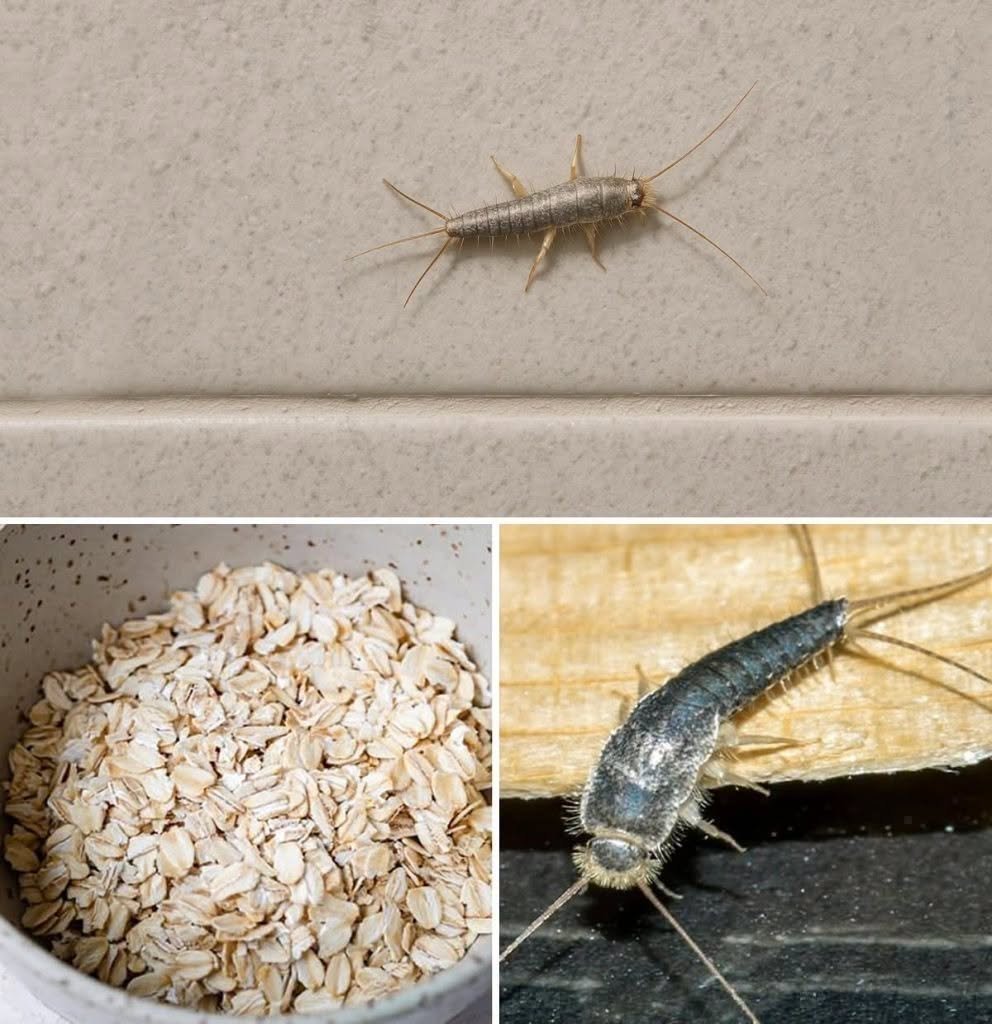
Silverfish are small, wingless insects with elongated, flattened bodies covered in silvery or grayish scales. They have long antennae at the front and three long, tail-like appendages at the back.
Their movements are one of the reasons people find them alarming. Silverfish can move surprisingly quickly and often disappear into cracks or underneath furniture when exposed to light.
They are primarily nocturnal, meaning they are most active at night. During the daytime, they tend to remain hidden in dark, quiet locations.
Silverfish can commonly be found in places such as:
Bathrooms
Kitchens
Basements
Attics
Closets
Garages
Storage rooms
Areas underneath sinks
Around plumbing
Behind furniture
Near books and cardboard boxes
They are particularly comfortable in environments where there is moisture and limited sunlight.
Why Are Silverfish Coming Into Your Home?
One of the most important things to understand is that silverfish don’t simply appear because your home is “dirty.”
A clean home can still have silverfish.
The insects are primarily looking for suitable environmental conditions and sources of food. Humidity is one of the biggest factors that can make a home attractive to them.
If you have noticed silverfish repeatedly, look around the area where they were found and ask yourself whether there is a moisture problem.
For example, you might have:
A small plumbing leak
Condensation around pipes
A damp bathroom
Poor airflow
A leaking roof
Moisture underneath a sink
Wet cardboard stored against a wall
A humid basement
Water collecting around windows
Insufficient ventilation after showers
Sometimes the moisture problem is obvious. Other times, it can be hidden behind walls, underneath flooring, or inside cabinets.
Silverfish Can Be a Clue About Humidity
Silverfish generally prefer humid environments. This is why bathrooms and other damp areas can be especially attractive to them.
If you regularly find silverfish in your bathroom, it may be useful to examine how well the room dries after someone takes a shower.
Does steam remain in the room for a long time?
Are walls and mirrors still wet long after bathing?
Is there a working exhaust fan or another form of ventilation?
Does water remain on the floor?
If the answer to several of these questions is yes, reducing humidity may make the environment less attractive to silverfish.
The same principle applies to kitchens. Steam from cooking, leaking plumbing, and poor ventilation can contribute to excess indoor moisture.
Are Silverfish Dangerous?
For most people, silverfish are primarily a nuisance rather than a health threat.
They do not have the ability to sting like bees or wasps, and they are not aggressive toward people. They generally try to escape when disturbed.
That does not mean you should completely ignore them, however.
A persistent silverfish problem can indicate that the conditions inside your home are favorable for moisture-loving pests. In addition, silverfish can sometimes damage or contaminate certain household materials.
They may feed on materials containing starches and other carbohydrates, including substances found in:
Paper
Books
Cardboard
Wallpaper paste
Glue
Some fabrics
Stored food products
A few silverfish in a home are unlikely to destroy your belongings. But a larger population over a long period can become more problematic.
Why Do Silverfish Like Books and Cardboard?
Silverfish have a reputation for damaging books and paper products because they can feed on materials containing starches and carbohydrates.
This can become particularly noticeable in storage areas.
Imagine a closet filled with old cardboard boxes, magazines, documents, newspapers, and books. If that closet is also humid and poorly ventilated, it can provide both shelter and food.
This is why reducing moisture and improving storage conditions can be an important part of preventing silverfish.
If you have valuable books, important documents, or photographs stored in a humid location, consider moving them to a dry area and using suitable storage containers.
Avoid placing cardboard boxes directly against damp walls or directly on a potentially wet floor.
What Should You Do If You Find One Silverfish?
Don’t panic.
Finding a single silverfish does not automatically mean your house has an infestation.
Instead, inspect the surrounding area.
Look for signs of moisture, leaks, condensation, or other insects.
If you found it in a bathroom, check underneath the sink and around plumbing connections. If you found it in a bedroom or closet, examine nearby walls, windows, storage boxes, and fabrics.